
WJW3+JP, Bayreuth
WJW3+JP, 95448 Bayreuth, Germany
Heckentheater Bayreuth | Wilhelminenaue & Program
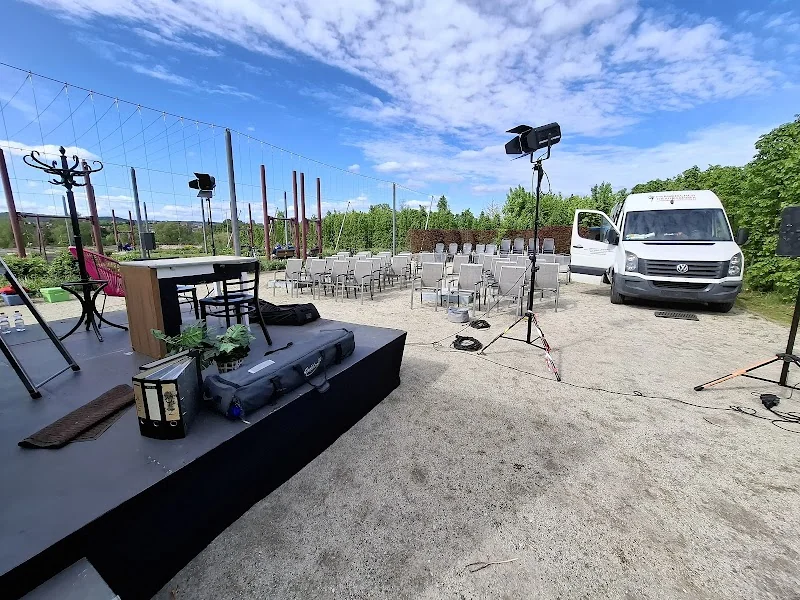
Those looking for the Heckentheater Bayreuth almost always mean a special place between nature, urban development, and cultural program: the open-air stage in the Wilhelminenaue. The venue is not located in a classic theater building, but in a young landscape park that emerged from the State Garden Show 2016. This mix of green space, openness, and culture is what makes the place appealing. The Heckentheater is used by organizers such as the Franconian Theater Summer and is in immediate proximity to the lakeside stage, allowing Bayreuth to bundle several open-air formats in one location. Therefore, those interested in theater bayreuth today, program, access, or parking quickly end up at the Wilhelminenaue. The place is not a museum monument, but a vibrant part of the urban leisure and cultural landscape, deliberately designed for various uses. ([theatersommer.de](https://theatersommer.de/spielorte/bayreuth-heckentheater))
This also makes the Heckentheater Bayreuth interesting from an SEO perspective: search queries often connect a specific location with very practical expectations. Visitors want to know exactly where the stage is located, how to get there, whether they can park there, and what events are taking place. At the same time, the term heckentheater weimar appears, indicating that the name is also confused with another location. Therefore, a precise, fact-based description is important. The Bayreuth stage is part of an extensive landscape park with renaturation, recreational areas, paths, water references, and cultural islands. The result is not just any event space, but a place where theater, summer evenings, and floodplain landscapes belong together. ([theatersommer.de](https://theatersommer.de/spielorte/bayreuth-heckentheater))
Heckentheater Bayreuth in the Wilhelminenaue: Location, Character, and Environment
The Heckentheater is located in the Wilhelminenaue, in the large landscape park east of Bayreuth's city center. The city describes the Wilhelminenaue as an area of about 45 hectares that received its name in 2014 and emerged from the site of the State Garden Show. The park is not just a green space, but a deliberately designed open space with recreational, flood protection, and nature conservation functions. Visitors can feel this, as paths, watercourses, meadows, and event locations do not disturb each other but complement one another. The Heckentheater benefits precisely from this structure: it is situated in a landscape that allows space while possessing a clear dramaturgy. The stage is not an isolated building, but part of the so-called landscape cabinets, which were designed as viewing balconies and usable spaces. ([bayreuth.de](https://www.bayreuth.de/rathaus-buergerservice/planen-bauen/landesgartenschau-wilhelminenaue/))
Particularly exciting is the spatial integration of the location. The Franconian Theater Summer describes the Heckentheater as a place about 100 meters behind the kiosk facility on the opposite side of the lakeside stage. This immediately clarifies why the stage is so well suited for open-air use: visitors experience the proximity to gastronomy, the orientation towards the lakeside stage, and at the same time the somewhat secluded, green atmosphere of the actual theater. The Wilhelminenaue was not only created for culture. Official documents also mention sports and leisure offerings such as beach volleyball, dirt bike facilities, soccer fields, climbing net landscapes, barbecue areas, and play and gymnastics meadows. Thus, the Heckentheater is situated in an environment that attracts families, walkers, and sports fans during the day and becomes a cultural backdrop in the evening. ([theatersommer.de](https://theatersommer.de/spielorte/bayreuth-heckentheater))
The special atmosphere also includes the design idea of the Wilhelminenaue. The area was developed as a permanent landscape park; the Red Main was renatured over a stretch of 1.4 kilometers, and a lake of about two hectares was created in the center. This landscape is not just a mere background, but part of the experience. When visitors spend a theater evening at the Heckentheater, they experience not only a play but also the specific Bayreuth connection of garden art, water, openness, and open-air culture. This explains why the search terms Wilhelminenaue Bayreuth, open air Bayreuth, and program Heckentheater are so closely linked. The place thrives on its surroundings, and the surroundings thrive on the fact that they are also used permanently after the State Garden Show. ([lgs.de](https://www.lgs.de/gartenschauen/))
Program, Theater, and Events at the Heckentheater Bayreuth
The Heckentheater Bayreuth is primarily known as a venue for the Franconian Theater Summer. The official venue page lists specific productions, including The Miracle Healer, The Beloved of My Husband, In the Bar at the Gramophone, Man of Destiny, Pipapo and Baboon, Stars over Cactus Creek, and Wolves, Woman, and Forest Rest. This shows that the place is used for different forms of theater: from comedy to musically influenced formats to pieces with a stronger folk or literary character. Therefore, those searching for theater bayreuth today usually do not mean a fixed house with a daily repertoire, but a venue with seasonal dates and changing programs. For current dates, the Franconian Theater Summer refers to its schedule and program booklet, which is typical for an open-air venue whose calendar is planned based on weather and season. ([theatersommer.de](https://theatersommer.de/spielorte/bayreuth-heckentheater))
The city of Bayreuth itself also considers the Wilhelminenaue an important place for cultural programs. In an official contribution to Bayreuth Summertime, it is stated that the open-air events at the lakeside stage and at the cultural kiosk stage were an essential part of the festival and that the city supports the continuation of cultural programs in the Wilhelminenaue. This allows us to derive an important practical detail for the Heckentheater: it is part of a larger cultural ecosystem where summer events, theater, concerts, and family-friendly formats coexist. Therefore, if someone is looking for not just a single date but an attractive cultural location, they will find in the Heckentheater a meeting point with long-term usage perspective. The Wilhelminenaue is not a temporary exhibition area but a permanent event space for the urban community. ([bayreuth.de](https://www.bayreuth.de/bayreuth-summertime-soll-es-auch-in-zukunft-geben/))
For visitors, it is important that the program changes throughout the year. For this reason, one should always check the current schedule when planning a specific trip, rather than relying solely on general search results. This is particularly sensible for open-air stages like the Heckentheater, as ticket sales, start times, and weather regulations can vary depending on the production. The official venue page and the advance sales information from the Franconian Theater Summer are the most reliable points of contact for this. Those who combine the search for heckentheater bayreuth with program, tickets, or today usually want exactly this current, practical information. The strength of the place lies not in a fixed seasonal structure, but in the variety of changing performances that bring the floodplain area to life anew every summer. ([theatersommer.de](https://theatersommer.de/spielorte/bayreuth-heckentheater))
Access, Parking, and Barrier-Free Paths to the Heckentheater Bayreuth
The location of the Heckentheater Bayreuth in the Wilhelminenaue is an advantage for getting there, as the park is relatively well connected to the urban transport network. The Bavarian Palace Administration mentions the approach via the A 9 Munich-Berlin and the A 70 Bayreuth-Schweinfurt as well as via federal roads B 2, B 22, and B 85. The Eremitage is located on the eastern outskirts, and the Wilhelminenaue is not far from there. For visitors, this means: the cultural site is located in greenery but not secluded. Especially for events, the recommendation is clear: if possible, use the bus or walk. The city points out lines 302 and 303, which lead to the stops Volksfestplatz and Wilhelminenaue. For an open-air area, this is a very practical solution, as it allows one to partially bypass inner-city traffic and parking searches. ([bayreuth-wilhelmine.de](https://www.bayreuth-wilhelmine.de/deutsch/tourist/anfahrt.htm))
Those arriving by car will find several options in the event area. Mentioned are the parking garage P1 Oberfrankenhalle/Am Sportpark with around 700 spaces, the parking lots at the center, the parking lot on Grünewaldstraße, and public parking spaces around the Wilhelminenaue, on Kerschensteinerstraße, and at the Schulzentrum Ost with about 800 spaces. The infrastructure is indirectly used for the Heckentheater, as it is located in the same park landscape as the lakeside stage. The recommendation to arrive early is therefore logical, especially for heavily attended summer events. This way, the parking question does not become a stress question but a normal part of the visit planning. Those searching for parking wilhelminenaue usually want exactly this overview of the actual parking spaces and the connection to the event location. ([bayreuth-tourismus.de](https://www.bayreuth-tourismus.de/mice/eventlocations/seebuhne/))
Barrier-free access also plays an important role in this environment. The city of Bayreuth and the planning documents for the State Garden Show mention barrier-free paths from the main train station, wider sidewalk areas at important crossings, and improved accessibility of the site for different population groups. The path from Bayreuth main station to the Wilhelminenaue is already described in an official flyer as idyllic and barrier-free. This is important information for visitors with mobility restrictions, families with strollers, or older guests. At the same time, for individual events: the specific accessibility may vary depending on the stage setup, seating, and producers. Therefore, the best practice is to compare the general path information with the respective event page. The Heckentheater definitely benefits from a site that is not only beautiful but also consciously developed. ([bayreuth.de](https://www.bayreuth.de/rathaus-buergerservice/planen-bauen/landesgartenschau-wilhelminenaue/flankierende-massnahmen-zur-landesgartenschau/))
Lakeside Stage, Landscape Cabinets, and the Leisure World around the Heckentheater
The Heckentheater should not be viewed in isolation but as part of a larger spatial system. The Wilhelminenaue was designed so that various landscape cabinets along the floodplain arc accommodate different uses. The Franconian Theater Summer describes this structure very vividly: in addition to cultural areas with lakeside stage, lawn grandstand, and Heckentheater, there are also sports offerings such as beach volleyball, dirt bike facilities, soccer fields, and climbing net landscapes, as well as areas for grilling, playing, and relaxing. The city of Bayreuth and expert documents confirm this usage concept with further details on leisure, recreation, and nature conservation functions. For visitors, this means that a theater evening here does not consist only of the performance but is often combined with a walk, a picnic, or a stay by the water. This makes the place particularly attractive for people who see open air Bayreuth not just as an event but as a summer total experience. ([theatersommer.de](https://theatersommer.de/spielorte/bayreuth-heckentheater))
The lakeside stage is an important neighbor for this. The Bayreuth Tourism GmbH describes it as a versatile open-air location right by the water, suitable for concerts, theater performances, and film screenings. This is relevant for the Wilhelminenaue because a cultural ensemble has formed around the two stages, which has now gained a solid name in Bayreuth. The advantage lies in the combination of natural backdrop, good event logistics, and high recognizability. Therefore, those searching for the Heckentheater often also land at the lakeside stage, the cultural kiosk, and the city's summer programs. This connection is valuable from the perspective of visitor guidance and SEO: the name of the stage does not stand alone but is part of a whole cultural zone that becomes a magnet for families, culture enthusiasts, and guests in summer. ([bayreuth-tourismus.de](https://www.bayreuth-tourismus.de/mice/eventlocations/seebuhne/))
Additionally, the place is consciously designed to be public and permanent. The State Garden Show did not create a short-lived exhibition space here, but a long-term landscape park with leisure, nature, and cultural value. Official documents emphasize that the site was understood as a link between the city center, Hofgarten, and Eremitage. Thus, the Heckentheater is also urbanistically interesting: it is located on an axis that connects historical parks, modern recreational use, and sustainable urban development. Therefore, anyone wanting to get to know Bayreuth not just as a Wagner city but as a city with a contemporary, open cultural and open space system will find a convincing example in the Wilhelminenaue. The Heckentheater is a small but significant building block with high recognizability in this context. ([bayreuth.de](https://www.bayreuth.de/rathaus-buergerservice/planen-bauen/landesgartenschau-wilhelminenaue/flankierende-massnahmen-zur-landesgartenschau/))
History and Development: How the Garden Show Became a Permanent Cultural Venue
The current significance of the Heckentheater can only be understood by considering the development of the Wilhelminenaue. The city of Bayreuth decided on a permanent landscape concept as part of the State Garden Show 2016. The area was developed as a new park that should not only be temporarily beautiful but remain usable in the long term. The expert documents emphasize that the Red Main was freed from its canal-like bed and renatured, that floodplain meadows were created, and that the area was additionally equipped with a lake and various recreational areas. The Wilhelminenaue thus acquired a character that combines nature and recreational space with urban usability. The Heckentheater is embedded in this idea and should not be understood as an accidental stage, but as a deliberately set part of a larger park and cultural strategy. ([lgs.de](https://www.lgs.de/gartenschauen/))
The planning language also shows how much the place is designed for multiple uses. Official documents speak of landscape cabinets, viewing balconies, and areas for different quiet and active usage focuses. The stage in the green is thus the result of a planning process that does not separate culture from the landscape but embeds it within it. Particularly interesting is the reference to the paths: the connecting axes to the Wilhelminenaue were already understood as part of a bridge between the city center and the Eremitage. This created an ensemble that offers visitors not only a destination but also a way to get there. This is especially important for an open-air venue because the path becomes part of the experience. For this reason, the Heckentheater is perceived not only as a stage but also as a place for walking, arriving, and lingering. ([bayreuth.de](https://www.bayreuth.de/rathaus-buergerservice/planen-bauen/landesgartenschau-wilhelminenaue/flankierende-massnahmen-zur-landesgartenschau/))
A further look at the development shows that the theater use itself was also considered early on. The landscape architecture description for the garden cabinet Wilhelminenaue mentions that a Heckentheater was integrated in the eastern part at the initiative of Bayreuth theater creators. This information is valuable because it explains the cultural origin of the stage: it did not simply arise as a decorative element but from the desire to create a performance venue in the green. Thus, the Heckentheater Bayreuth fits into a tradition where urban development, garden art, and theater mutually benefit from one another. The stage is therefore an example of how a former garden show can have a lasting impact on the cultural identity of a city. ([hhvh.de](https://www.hhvh.de/projekte/gartenkabinett-wilhelminenaue-bayreuth/))
Heckentheater Bayreuth or Heckentheater Weimar? The Frequent Search Confusion
The search term heckentheater weimar shows that the name is known not only in Bayreuth. In Weimar, the Heckentheater is mentioned in official tourism documents in connection with Schloss Belvedere, the park, and the baroque ensemble there. This is important for search intent because users are often unsure which location is meant. Bayreuth and Weimar both have a Heckentheater, but they differ clearly in location, cityscape, and usage context. The Heckentheater Bayreuth belongs to the Wilhelminenaue, a modern park landscape with lakeside stage, sports offerings, and State Garden Show background. The Heckentheater in Weimar, on the other hand, belongs to a historical park and palace complex. Therefore, anyone searching for the Bayreuth venue should pay attention to the combination of Bayreuth and Wilhelminenaue. ([theatersommer.de](https://theatersommer.de/spielorte/bayreuth-heckentheater))
Especially because this confusion occurs frequently, a precise description is useful for users and search engines. People searching for program, access, or parking want to quickly land at the right place. Therefore, the Bayreuth stage is best characterized by its distinctive features: Wilhelminenaue, lakeside stage nearby, 100 meters behind the kiosk facility, part of a young landscape park. These features are much more concrete than the mere name Heckentheater and help to resolve search intentions cleanly. Those who mean Bayreuth should get Bayreuth; those who mean Weimar should be referred to the location there. This makes the search query robust and the content useful. ([theatersommer.de](https://theatersommer.de/spielorte/bayreuth-heckentheater))
Sources:
Show moreShow less
Heckentheater Bayreuth | Wilhelminenaue & Program
Those looking for the Heckentheater Bayreuth almost always mean a special place between nature, urban development, and cultural program: the open-air stage in the Wilhelminenaue. The venue is not located in a classic theater building, but in a young landscape park that emerged from the State Garden Show 2016. This mix of green space, openness, and culture is what makes the place appealing. The Heckentheater is used by organizers such as the Franconian Theater Summer and is in immediate proximity to the lakeside stage, allowing Bayreuth to bundle several open-air formats in one location. Therefore, those interested in theater bayreuth today, program, access, or parking quickly end up at the Wilhelminenaue. The place is not a museum monument, but a vibrant part of the urban leisure and cultural landscape, deliberately designed for various uses. ([theatersommer.de](https://theatersommer.de/spielorte/bayreuth-heckentheater))
This also makes the Heckentheater Bayreuth interesting from an SEO perspective: search queries often connect a specific location with very practical expectations. Visitors want to know exactly where the stage is located, how to get there, whether they can park there, and what events are taking place. At the same time, the term heckentheater weimar appears, indicating that the name is also confused with another location. Therefore, a precise, fact-based description is important. The Bayreuth stage is part of an extensive landscape park with renaturation, recreational areas, paths, water references, and cultural islands. The result is not just any event space, but a place where theater, summer evenings, and floodplain landscapes belong together. ([theatersommer.de](https://theatersommer.de/spielorte/bayreuth-heckentheater))
Heckentheater Bayreuth in the Wilhelminenaue: Location, Character, and Environment
The Heckentheater is located in the Wilhelminenaue, in the large landscape park east of Bayreuth's city center. The city describes the Wilhelminenaue as an area of about 45 hectares that received its name in 2014 and emerged from the site of the State Garden Show. The park is not just a green space, but a deliberately designed open space with recreational, flood protection, and nature conservation functions. Visitors can feel this, as paths, watercourses, meadows, and event locations do not disturb each other but complement one another. The Heckentheater benefits precisely from this structure: it is situated in a landscape that allows space while possessing a clear dramaturgy. The stage is not an isolated building, but part of the so-called landscape cabinets, which were designed as viewing balconies and usable spaces. ([bayreuth.de](https://www.bayreuth.de/rathaus-buergerservice/planen-bauen/landesgartenschau-wilhelminenaue/))
Particularly exciting is the spatial integration of the location. The Franconian Theater Summer describes the Heckentheater as a place about 100 meters behind the kiosk facility on the opposite side of the lakeside stage. This immediately clarifies why the stage is so well suited for open-air use: visitors experience the proximity to gastronomy, the orientation towards the lakeside stage, and at the same time the somewhat secluded, green atmosphere of the actual theater. The Wilhelminenaue was not only created for culture. Official documents also mention sports and leisure offerings such as beach volleyball, dirt bike facilities, soccer fields, climbing net landscapes, barbecue areas, and play and gymnastics meadows. Thus, the Heckentheater is situated in an environment that attracts families, walkers, and sports fans during the day and becomes a cultural backdrop in the evening. ([theatersommer.de](https://theatersommer.de/spielorte/bayreuth-heckentheater))
The special atmosphere also includes the design idea of the Wilhelminenaue. The area was developed as a permanent landscape park; the Red Main was renatured over a stretch of 1.4 kilometers, and a lake of about two hectares was created in the center. This landscape is not just a mere background, but part of the experience. When visitors spend a theater evening at the Heckentheater, they experience not only a play but also the specific Bayreuth connection of garden art, water, openness, and open-air culture. This explains why the search terms Wilhelminenaue Bayreuth, open air Bayreuth, and program Heckentheater are so closely linked. The place thrives on its surroundings, and the surroundings thrive on the fact that they are also used permanently after the State Garden Show. ([lgs.de](https://www.lgs.de/gartenschauen/))
Program, Theater, and Events at the Heckentheater Bayreuth
The Heckentheater Bayreuth is primarily known as a venue for the Franconian Theater Summer. The official venue page lists specific productions, including The Miracle Healer, The Beloved of My Husband, In the Bar at the Gramophone, Man of Destiny, Pipapo and Baboon, Stars over Cactus Creek, and Wolves, Woman, and Forest Rest. This shows that the place is used for different forms of theater: from comedy to musically influenced formats to pieces with a stronger folk or literary character. Therefore, those searching for theater bayreuth today usually do not mean a fixed house with a daily repertoire, but a venue with seasonal dates and changing programs. For current dates, the Franconian Theater Summer refers to its schedule and program booklet, which is typical for an open-air venue whose calendar is planned based on weather and season. ([theatersommer.de](https://theatersommer.de/spielorte/bayreuth-heckentheater))
The city of Bayreuth itself also considers the Wilhelminenaue an important place for cultural programs. In an official contribution to Bayreuth Summertime, it is stated that the open-air events at the lakeside stage and at the cultural kiosk stage were an essential part of the festival and that the city supports the continuation of cultural programs in the Wilhelminenaue. This allows us to derive an important practical detail for the Heckentheater: it is part of a larger cultural ecosystem where summer events, theater, concerts, and family-friendly formats coexist. Therefore, if someone is looking for not just a single date but an attractive cultural location, they will find in the Heckentheater a meeting point with long-term usage perspective. The Wilhelminenaue is not a temporary exhibition area but a permanent event space for the urban community. ([bayreuth.de](https://www.bayreuth.de/bayreuth-summertime-soll-es-auch-in-zukunft-geben/))
For visitors, it is important that the program changes throughout the year. For this reason, one should always check the current schedule when planning a specific trip, rather than relying solely on general search results. This is particularly sensible for open-air stages like the Heckentheater, as ticket sales, start times, and weather regulations can vary depending on the production. The official venue page and the advance sales information from the Franconian Theater Summer are the most reliable points of contact for this. Those who combine the search for heckentheater bayreuth with program, tickets, or today usually want exactly this current, practical information. The strength of the place lies not in a fixed seasonal structure, but in the variety of changing performances that bring the floodplain area to life anew every summer. ([theatersommer.de](https://theatersommer.de/spielorte/bayreuth-heckentheater))
Access, Parking, and Barrier-Free Paths to the Heckentheater Bayreuth
The location of the Heckentheater Bayreuth in the Wilhelminenaue is an advantage for getting there, as the park is relatively well connected to the urban transport network. The Bavarian Palace Administration mentions the approach via the A 9 Munich-Berlin and the A 70 Bayreuth-Schweinfurt as well as via federal roads B 2, B 22, and B 85. The Eremitage is located on the eastern outskirts, and the Wilhelminenaue is not far from there. For visitors, this means: the cultural site is located in greenery but not secluded. Especially for events, the recommendation is clear: if possible, use the bus or walk. The city points out lines 302 and 303, which lead to the stops Volksfestplatz and Wilhelminenaue. For an open-air area, this is a very practical solution, as it allows one to partially bypass inner-city traffic and parking searches. ([bayreuth-wilhelmine.de](https://www.bayreuth-wilhelmine.de/deutsch/tourist/anfahrt.htm))
Those arriving by car will find several options in the event area. Mentioned are the parking garage P1 Oberfrankenhalle/Am Sportpark with around 700 spaces, the parking lots at the center, the parking lot on Grünewaldstraße, and public parking spaces around the Wilhelminenaue, on Kerschensteinerstraße, and at the Schulzentrum Ost with about 800 spaces. The infrastructure is indirectly used for the Heckentheater, as it is located in the same park landscape as the lakeside stage. The recommendation to arrive early is therefore logical, especially for heavily attended summer events. This way, the parking question does not become a stress question but a normal part of the visit planning. Those searching for parking wilhelminenaue usually want exactly this overview of the actual parking spaces and the connection to the event location. ([bayreuth-tourismus.de](https://www.bayreuth-tourismus.de/mice/eventlocations/seebuhne/))
Barrier-free access also plays an important role in this environment. The city of Bayreuth and the planning documents for the State Garden Show mention barrier-free paths from the main train station, wider sidewalk areas at important crossings, and improved accessibility of the site for different population groups. The path from Bayreuth main station to the Wilhelminenaue is already described in an official flyer as idyllic and barrier-free. This is important information for visitors with mobility restrictions, families with strollers, or older guests. At the same time, for individual events: the specific accessibility may vary depending on the stage setup, seating, and producers. Therefore, the best practice is to compare the general path information with the respective event page. The Heckentheater definitely benefits from a site that is not only beautiful but also consciously developed. ([bayreuth.de](https://www.bayreuth.de/rathaus-buergerservice/planen-bauen/landesgartenschau-wilhelminenaue/flankierende-massnahmen-zur-landesgartenschau/))
Lakeside Stage, Landscape Cabinets, and the Leisure World around the Heckentheater
The Heckentheater should not be viewed in isolation but as part of a larger spatial system. The Wilhelminenaue was designed so that various landscape cabinets along the floodplain arc accommodate different uses. The Franconian Theater Summer describes this structure very vividly: in addition to cultural areas with lakeside stage, lawn grandstand, and Heckentheater, there are also sports offerings such as beach volleyball, dirt bike facilities, soccer fields, and climbing net landscapes, as well as areas for grilling, playing, and relaxing. The city of Bayreuth and expert documents confirm this usage concept with further details on leisure, recreation, and nature conservation functions. For visitors, this means that a theater evening here does not consist only of the performance but is often combined with a walk, a picnic, or a stay by the water. This makes the place particularly attractive for people who see open air Bayreuth not just as an event but as a summer total experience. ([theatersommer.de](https://theatersommer.de/spielorte/bayreuth-heckentheater))
The lakeside stage is an important neighbor for this. The Bayreuth Tourism GmbH describes it as a versatile open-air location right by the water, suitable for concerts, theater performances, and film screenings. This is relevant for the Wilhelminenaue because a cultural ensemble has formed around the two stages, which has now gained a solid name in Bayreuth. The advantage lies in the combination of natural backdrop, good event logistics, and high recognizability. Therefore, those searching for the Heckentheater often also land at the lakeside stage, the cultural kiosk, and the city's summer programs. This connection is valuable from the perspective of visitor guidance and SEO: the name of the stage does not stand alone but is part of a whole cultural zone that becomes a magnet for families, culture enthusiasts, and guests in summer. ([bayreuth-tourismus.de](https://www.bayreuth-tourismus.de/mice/eventlocations/seebuhne/))
Additionally, the place is consciously designed to be public and permanent. The State Garden Show did not create a short-lived exhibition space here, but a long-term landscape park with leisure, nature, and cultural value. Official documents emphasize that the site was understood as a link between the city center, Hofgarten, and Eremitage. Thus, the Heckentheater is also urbanistically interesting: it is located on an axis that connects historical parks, modern recreational use, and sustainable urban development. Therefore, anyone wanting to get to know Bayreuth not just as a Wagner city but as a city with a contemporary, open cultural and open space system will find a convincing example in the Wilhelminenaue. The Heckentheater is a small but significant building block with high recognizability in this context. ([bayreuth.de](https://www.bayreuth.de/rathaus-buergerservice/planen-bauen/landesgartenschau-wilhelminenaue/flankierende-massnahmen-zur-landesgartenschau/))
History and Development: How the Garden Show Became a Permanent Cultural Venue
The current significance of the Heckentheater can only be understood by considering the development of the Wilhelminenaue. The city of Bayreuth decided on a permanent landscape concept as part of the State Garden Show 2016. The area was developed as a new park that should not only be temporarily beautiful but remain usable in the long term. The expert documents emphasize that the Red Main was freed from its canal-like bed and renatured, that floodplain meadows were created, and that the area was additionally equipped with a lake and various recreational areas. The Wilhelminenaue thus acquired a character that combines nature and recreational space with urban usability. The Heckentheater is embedded in this idea and should not be understood as an accidental stage, but as a deliberately set part of a larger park and cultural strategy. ([lgs.de](https://www.lgs.de/gartenschauen/))
The planning language also shows how much the place is designed for multiple uses. Official documents speak of landscape cabinets, viewing balconies, and areas for different quiet and active usage focuses. The stage in the green is thus the result of a planning process that does not separate culture from the landscape but embeds it within it. Particularly interesting is the reference to the paths: the connecting axes to the Wilhelminenaue were already understood as part of a bridge between the city center and the Eremitage. This created an ensemble that offers visitors not only a destination but also a way to get there. This is especially important for an open-air venue because the path becomes part of the experience. For this reason, the Heckentheater is perceived not only as a stage but also as a place for walking, arriving, and lingering. ([bayreuth.de](https://www.bayreuth.de/rathaus-buergerservice/planen-bauen/landesgartenschau-wilhelminenaue/flankierende-massnahmen-zur-landesgartenschau/))
A further look at the development shows that the theater use itself was also considered early on. The landscape architecture description for the garden cabinet Wilhelminenaue mentions that a Heckentheater was integrated in the eastern part at the initiative of Bayreuth theater creators. This information is valuable because it explains the cultural origin of the stage: it did not simply arise as a decorative element but from the desire to create a performance venue in the green. Thus, the Heckentheater Bayreuth fits into a tradition where urban development, garden art, and theater mutually benefit from one another. The stage is therefore an example of how a former garden show can have a lasting impact on the cultural identity of a city. ([hhvh.de](https://www.hhvh.de/projekte/gartenkabinett-wilhelminenaue-bayreuth/))
Heckentheater Bayreuth or Heckentheater Weimar? The Frequent Search Confusion
The search term heckentheater weimar shows that the name is known not only in Bayreuth. In Weimar, the Heckentheater is mentioned in official tourism documents in connection with Schloss Belvedere, the park, and the baroque ensemble there. This is important for search intent because users are often unsure which location is meant. Bayreuth and Weimar both have a Heckentheater, but they differ clearly in location, cityscape, and usage context. The Heckentheater Bayreuth belongs to the Wilhelminenaue, a modern park landscape with lakeside stage, sports offerings, and State Garden Show background. The Heckentheater in Weimar, on the other hand, belongs to a historical park and palace complex. Therefore, anyone searching for the Bayreuth venue should pay attention to the combination of Bayreuth and Wilhelminenaue. ([theatersommer.de](https://theatersommer.de/spielorte/bayreuth-heckentheater))
Especially because this confusion occurs frequently, a precise description is useful for users and search engines. People searching for program, access, or parking want to quickly land at the right place. Therefore, the Bayreuth stage is best characterized by its distinctive features: Wilhelminenaue, lakeside stage nearby, 100 meters behind the kiosk facility, part of a young landscape park. These features are much more concrete than the mere name Heckentheater and help to resolve search intentions cleanly. Those who mean Bayreuth should get Bayreuth; those who mean Weimar should be referred to the location there. This makes the search query robust and the content useful. ([theatersommer.de](https://theatersommer.de/spielorte/bayreuth-heckentheater))
Sources:
Heckentheater Bayreuth | Wilhelminenaue & Program
Those looking for the Heckentheater Bayreuth almost always mean a special place between nature, urban development, and cultural program: the open-air stage in the Wilhelminenaue. The venue is not located in a classic theater building, but in a young landscape park that emerged from the State Garden Show 2016. This mix of green space, openness, and culture is what makes the place appealing. The Heckentheater is used by organizers such as the Franconian Theater Summer and is in immediate proximity to the lakeside stage, allowing Bayreuth to bundle several open-air formats in one location. Therefore, those interested in theater bayreuth today, program, access, or parking quickly end up at the Wilhelminenaue. The place is not a museum monument, but a vibrant part of the urban leisure and cultural landscape, deliberately designed for various uses. ([theatersommer.de](https://theatersommer.de/spielorte/bayreuth-heckentheater))
This also makes the Heckentheater Bayreuth interesting from an SEO perspective: search queries often connect a specific location with very practical expectations. Visitors want to know exactly where the stage is located, how to get there, whether they can park there, and what events are taking place. At the same time, the term heckentheater weimar appears, indicating that the name is also confused with another location. Therefore, a precise, fact-based description is important. The Bayreuth stage is part of an extensive landscape park with renaturation, recreational areas, paths, water references, and cultural islands. The result is not just any event space, but a place where theater, summer evenings, and floodplain landscapes belong together. ([theatersommer.de](https://theatersommer.de/spielorte/bayreuth-heckentheater))
Heckentheater Bayreuth in the Wilhelminenaue: Location, Character, and Environment
The Heckentheater is located in the Wilhelminenaue, in the large landscape park east of Bayreuth's city center. The city describes the Wilhelminenaue as an area of about 45 hectares that received its name in 2014 and emerged from the site of the State Garden Show. The park is not just a green space, but a deliberately designed open space with recreational, flood protection, and nature conservation functions. Visitors can feel this, as paths, watercourses, meadows, and event locations do not disturb each other but complement one another. The Heckentheater benefits precisely from this structure: it is situated in a landscape that allows space while possessing a clear dramaturgy. The stage is not an isolated building, but part of the so-called landscape cabinets, which were designed as viewing balconies and usable spaces. ([bayreuth.de](https://www.bayreuth.de/rathaus-buergerservice/planen-bauen/landesgartenschau-wilhelminenaue/))
Particularly exciting is the spatial integration of the location. The Franconian Theater Summer describes the Heckentheater as a place about 100 meters behind the kiosk facility on the opposite side of the lakeside stage. This immediately clarifies why the stage is so well suited for open-air use: visitors experience the proximity to gastronomy, the orientation towards the lakeside stage, and at the same time the somewhat secluded, green atmosphere of the actual theater. The Wilhelminenaue was not only created for culture. Official documents also mention sports and leisure offerings such as beach volleyball, dirt bike facilities, soccer fields, climbing net landscapes, barbecue areas, and play and gymnastics meadows. Thus, the Heckentheater is situated in an environment that attracts families, walkers, and sports fans during the day and becomes a cultural backdrop in the evening. ([theatersommer.de](https://theatersommer.de/spielorte/bayreuth-heckentheater))
The special atmosphere also includes the design idea of the Wilhelminenaue. The area was developed as a permanent landscape park; the Red Main was renatured over a stretch of 1.4 kilometers, and a lake of about two hectares was created in the center. This landscape is not just a mere background, but part of the experience. When visitors spend a theater evening at the Heckentheater, they experience not only a play but also the specific Bayreuth connection of garden art, water, openness, and open-air culture. This explains why the search terms Wilhelminenaue Bayreuth, open air Bayreuth, and program Heckentheater are so closely linked. The place thrives on its surroundings, and the surroundings thrive on the fact that they are also used permanently after the State Garden Show. ([lgs.de](https://www.lgs.de/gartenschauen/))
Program, Theater, and Events at the Heckentheater Bayreuth
The Heckentheater Bayreuth is primarily known as a venue for the Franconian Theater Summer. The official venue page lists specific productions, including The Miracle Healer, The Beloved of My Husband, In the Bar at the Gramophone, Man of Destiny, Pipapo and Baboon, Stars over Cactus Creek, and Wolves, Woman, and Forest Rest. This shows that the place is used for different forms of theater: from comedy to musically influenced formats to pieces with a stronger folk or literary character. Therefore, those searching for theater bayreuth today usually do not mean a fixed house with a daily repertoire, but a venue with seasonal dates and changing programs. For current dates, the Franconian Theater Summer refers to its schedule and program booklet, which is typical for an open-air venue whose calendar is planned based on weather and season. ([theatersommer.de](https://theatersommer.de/spielorte/bayreuth-heckentheater))
The city of Bayreuth itself also considers the Wilhelminenaue an important place for cultural programs. In an official contribution to Bayreuth Summertime, it is stated that the open-air events at the lakeside stage and at the cultural kiosk stage were an essential part of the festival and that the city supports the continuation of cultural programs in the Wilhelminenaue. This allows us to derive an important practical detail for the Heckentheater: it is part of a larger cultural ecosystem where summer events, theater, concerts, and family-friendly formats coexist. Therefore, if someone is looking for not just a single date but an attractive cultural location, they will find in the Heckentheater a meeting point with long-term usage perspective. The Wilhelminenaue is not a temporary exhibition area but a permanent event space for the urban community. ([bayreuth.de](https://www.bayreuth.de/bayreuth-summertime-soll-es-auch-in-zukunft-geben/))
For visitors, it is important that the program changes throughout the year. For this reason, one should always check the current schedule when planning a specific trip, rather than relying solely on general search results. This is particularly sensible for open-air stages like the Heckentheater, as ticket sales, start times, and weather regulations can vary depending on the production. The official venue page and the advance sales information from the Franconian Theater Summer are the most reliable points of contact for this. Those who combine the search for heckentheater bayreuth with program, tickets, or today usually want exactly this current, practical information. The strength of the place lies not in a fixed seasonal structure, but in the variety of changing performances that bring the floodplain area to life anew every summer. ([theatersommer.de](https://theatersommer.de/spielorte/bayreuth-heckentheater))
Access, Parking, and Barrier-Free Paths to the Heckentheater Bayreuth
The location of the Heckentheater Bayreuth in the Wilhelminenaue is an advantage for getting there, as the park is relatively well connected to the urban transport network. The Bavarian Palace Administration mentions the approach via the A 9 Munich-Berlin and the A 70 Bayreuth-Schweinfurt as well as via federal roads B 2, B 22, and B 85. The Eremitage is located on the eastern outskirts, and the Wilhelminenaue is not far from there. For visitors, this means: the cultural site is located in greenery but not secluded. Especially for events, the recommendation is clear: if possible, use the bus or walk. The city points out lines 302 and 303, which lead to the stops Volksfestplatz and Wilhelminenaue. For an open-air area, this is a very practical solution, as it allows one to partially bypass inner-city traffic and parking searches. ([bayreuth-wilhelmine.de](https://www.bayreuth-wilhelmine.de/deutsch/tourist/anfahrt.htm))
Those arriving by car will find several options in the event area. Mentioned are the parking garage P1 Oberfrankenhalle/Am Sportpark with around 700 spaces, the parking lots at the center, the parking lot on Grünewaldstraße, and public parking spaces around the Wilhelminenaue, on Kerschensteinerstraße, and at the Schulzentrum Ost with about 800 spaces. The infrastructure is indirectly used for the Heckentheater, as it is located in the same park landscape as the lakeside stage. The recommendation to arrive early is therefore logical, especially for heavily attended summer events. This way, the parking question does not become a stress question but a normal part of the visit planning. Those searching for parking wilhelminenaue usually want exactly this overview of the actual parking spaces and the connection to the event location. ([bayreuth-tourismus.de](https://www.bayreuth-tourismus.de/mice/eventlocations/seebuhne/))
Barrier-free access also plays an important role in this environment. The city of Bayreuth and the planning documents for the State Garden Show mention barrier-free paths from the main train station, wider sidewalk areas at important crossings, and improved accessibility of the site for different population groups. The path from Bayreuth main station to the Wilhelminenaue is already described in an official flyer as idyllic and barrier-free. This is important information for visitors with mobility restrictions, families with strollers, or older guests. At the same time, for individual events: the specific accessibility may vary depending on the stage setup, seating, and producers. Therefore, the best practice is to compare the general path information with the respective event page. The Heckentheater definitely benefits from a site that is not only beautiful but also consciously developed. ([bayreuth.de](https://www.bayreuth.de/rathaus-buergerservice/planen-bauen/landesgartenschau-wilhelminenaue/flankierende-massnahmen-zur-landesgartenschau/))
Lakeside Stage, Landscape Cabinets, and the Leisure World around the Heckentheater
The Heckentheater should not be viewed in isolation but as part of a larger spatial system. The Wilhelminenaue was designed so that various landscape cabinets along the floodplain arc accommodate different uses. The Franconian Theater Summer describes this structure very vividly: in addition to cultural areas with lakeside stage, lawn grandstand, and Heckentheater, there are also sports offerings such as beach volleyball, dirt bike facilities, soccer fields, and climbing net landscapes, as well as areas for grilling, playing, and relaxing. The city of Bayreuth and expert documents confirm this usage concept with further details on leisure, recreation, and nature conservation functions. For visitors, this means that a theater evening here does not consist only of the performance but is often combined with a walk, a picnic, or a stay by the water. This makes the place particularly attractive for people who see open air Bayreuth not just as an event but as a summer total experience. ([theatersommer.de](https://theatersommer.de/spielorte/bayreuth-heckentheater))
The lakeside stage is an important neighbor for this. The Bayreuth Tourism GmbH describes it as a versatile open-air location right by the water, suitable for concerts, theater performances, and film screenings. This is relevant for the Wilhelminenaue because a cultural ensemble has formed around the two stages, which has now gained a solid name in Bayreuth. The advantage lies in the combination of natural backdrop, good event logistics, and high recognizability. Therefore, those searching for the Heckentheater often also land at the lakeside stage, the cultural kiosk, and the city's summer programs. This connection is valuable from the perspective of visitor guidance and SEO: the name of the stage does not stand alone but is part of a whole cultural zone that becomes a magnet for families, culture enthusiasts, and guests in summer. ([bayreuth-tourismus.de](https://www.bayreuth-tourismus.de/mice/eventlocations/seebuhne/))
Additionally, the place is consciously designed to be public and permanent. The State Garden Show did not create a short-lived exhibition space here, but a long-term landscape park with leisure, nature, and cultural value. Official documents emphasize that the site was understood as a link between the city center, Hofgarten, and Eremitage. Thus, the Heckentheater is also urbanistically interesting: it is located on an axis that connects historical parks, modern recreational use, and sustainable urban development. Therefore, anyone wanting to get to know Bayreuth not just as a Wagner city but as a city with a contemporary, open cultural and open space system will find a convincing example in the Wilhelminenaue. The Heckentheater is a small but significant building block with high recognizability in this context. ([bayreuth.de](https://www.bayreuth.de/rathaus-buergerservice/planen-bauen/landesgartenschau-wilhelminenaue/flankierende-massnahmen-zur-landesgartenschau/))
History and Development: How the Garden Show Became a Permanent Cultural Venue
The current significance of the Heckentheater can only be understood by considering the development of the Wilhelminenaue. The city of Bayreuth decided on a permanent landscape concept as part of the State Garden Show 2016. The area was developed as a new park that should not only be temporarily beautiful but remain usable in the long term. The expert documents emphasize that the Red Main was freed from its canal-like bed and renatured, that floodplain meadows were created, and that the area was additionally equipped with a lake and various recreational areas. The Wilhelminenaue thus acquired a character that combines nature and recreational space with urban usability. The Heckentheater is embedded in this idea and should not be understood as an accidental stage, but as a deliberately set part of a larger park and cultural strategy. ([lgs.de](https://www.lgs.de/gartenschauen/))
The planning language also shows how much the place is designed for multiple uses. Official documents speak of landscape cabinets, viewing balconies, and areas for different quiet and active usage focuses. The stage in the green is thus the result of a planning process that does not separate culture from the landscape but embeds it within it. Particularly interesting is the reference to the paths: the connecting axes to the Wilhelminenaue were already understood as part of a bridge between the city center and the Eremitage. This created an ensemble that offers visitors not only a destination but also a way to get there. This is especially important for an open-air venue because the path becomes part of the experience. For this reason, the Heckentheater is perceived not only as a stage but also as a place for walking, arriving, and lingering. ([bayreuth.de](https://www.bayreuth.de/rathaus-buergerservice/planen-bauen/landesgartenschau-wilhelminenaue/flankierende-massnahmen-zur-landesgartenschau/))
A further look at the development shows that the theater use itself was also considered early on. The landscape architecture description for the garden cabinet Wilhelminenaue mentions that a Heckentheater was integrated in the eastern part at the initiative of Bayreuth theater creators. This information is valuable because it explains the cultural origin of the stage: it did not simply arise as a decorative element but from the desire to create a performance venue in the green. Thus, the Heckentheater Bayreuth fits into a tradition where urban development, garden art, and theater mutually benefit from one another. The stage is therefore an example of how a former garden show can have a lasting impact on the cultural identity of a city. ([hhvh.de](https://www.hhvh.de/projekte/gartenkabinett-wilhelminenaue-bayreuth/))
Heckentheater Bayreuth or Heckentheater Weimar? The Frequent Search Confusion
The search term heckentheater weimar shows that the name is known not only in Bayreuth. In Weimar, the Heckentheater is mentioned in official tourism documents in connection with Schloss Belvedere, the park, and the baroque ensemble there. This is important for search intent because users are often unsure which location is meant. Bayreuth and Weimar both have a Heckentheater, but they differ clearly in location, cityscape, and usage context. The Heckentheater Bayreuth belongs to the Wilhelminenaue, a modern park landscape with lakeside stage, sports offerings, and State Garden Show background. The Heckentheater in Weimar, on the other hand, belongs to a historical park and palace complex. Therefore, anyone searching for the Bayreuth venue should pay attention to the combination of Bayreuth and Wilhelminenaue. ([theatersommer.de](https://theatersommer.de/spielorte/bayreuth-heckentheater))
Especially because this confusion occurs frequently, a precise description is useful for users and search engines. People searching for program, access, or parking want to quickly land at the right place. Therefore, the Bayreuth stage is best characterized by its distinctive features: Wilhelminenaue, lakeside stage nearby, 100 meters behind the kiosk facility, part of a young landscape park. These features are much more concrete than the mere name Heckentheater and help to resolve search intentions cleanly. Those who mean Bayreuth should get Bayreuth; those who mean Weimar should be referred to the location there. This makes the search query robust and the content useful. ([theatersommer.de](https://theatersommer.de/spielorte/bayreuth-heckentheater))
Sources:
Upcoming Events
In the Bar at the Gramophone
An evening full of jazz, hits, and retro flair: In the Bar at the Gramophone brings the Roaring Twenties to the Hedge Theater. #TheaterLove

What Makes the Neighbors Jealous - Musical Cabaret
Musical cabaret under the open sky in Bayreuth: Silvia Ferstl and Christoph Ackermann bring neighborhood, music, and punchlines to life. #Cabaret #Bayreuth
Wolves, Women and Forest Tranquility
Comedy by Rainer Dohlus
The Mistress of My Husband
A turbulent comedy by Lars Lienen

Pipapo and Baboon
about the magic of words or commotion for grown-ups
Frequently Asked Questions
Reviews
No reviews found