
Bayreuth
Opernstraße 14, 95444 Bayreuth, Deutschland
Margravial Opera House Bayreuth | Tickets & Opening Hours
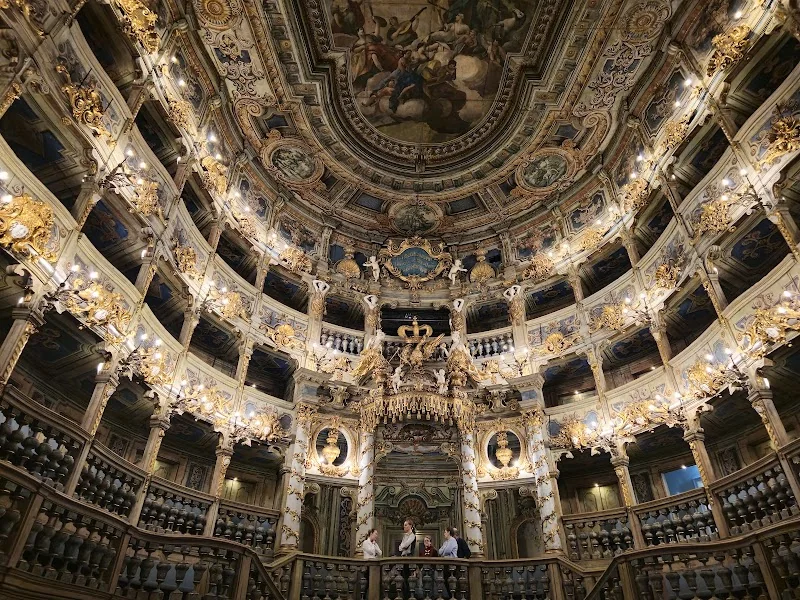
The Margravial Opera House in Bayreuth is not an ordinary venue, but one of the most impressive testimonies to European theater and festival culture. The building was constructed between 1746 and 1750 on the orders of Margravine Wilhelmine and Margrave Friedrich of Brandenburg-Bayreuth, designed by the famous theater architect Giuseppe Galli Bibiena. Since 2012, the opera house has been part of the UNESCO World Heritage and is considered the most significant and best-preserved example of Baroque theater culture that can still be experienced authentically today. The auditorium, with its wooden and canvas materials, the boxes, and the characteristic shape of the room conveys an impression that goes far beyond a museum. Those interested in tickets, opening hours, history, or photos today are actually looking for a place where Baroque, musical theater, and courtly representation still visibly come together. ([unesco.de](https://www.unesco.de/staette/markgraefliches-opernhaus-bayreuth/))
The search intentions surrounding the Margravial Opera House focus primarily on UNESCO, tickets, opening hours, directions, parking, and guided tours. For this reason, the visit is particularly attractive for cultural travelers, architecture fans, and families who want to experience a historical monument not only from the outside but also from the inside. The Bavarian Palace Administration manages the house as a World Heritage site & museum and provides clear visitor information, an online ticket shop, an on-site museum box office, as well as a changing event program in Bayreuth. The connection with the European Route of Historic Theaters also makes it clear that this opera house should not be viewed in isolation, but as part of a larger European theater history. ([bayreuth-wilhelmine.de](https://www.bayreuth-wilhelmine.de/deutsch/opernh/index.htm?utm_source=openai))
UNESCO World Heritage and the History of the Margravial Opera House
The history of the Margravial Opera House is closely linked to the cultural-political ambition of Margravine Wilhelmine. She had the building erected as a representative court and festival hall to create a stage for operas, festivities, and courtly productions. The official UNESCO description emphasizes that the opera house was built from 1746 to 1750 and was comparable at the time of its creation to the most magnificent houses in Vienna, Dresden, Paris, or Venice. What is crucial here is not only the architecture but also the idea behind it: a free-standing theater that is not integrated into a palace but shapes the public space itself. This was extraordinary in the 18th century and already points to the later public theaters of the 19th century. ([unesco.de](https://www.unesco.de/staette/markgraefliches-opernhaus-bayreuth/))
The construction history shows how ambitious the project was. According to the plans of Joseph Saint Pierre, the building was erected on the vacated area next to the Redoutenhaus; the interior was designed by Giuseppe Galli Bibiena and his son Carlo. The result is a bell-shaped auditorium with wooden box tiers and elaborately painted canvases, which is still considered a masterful example of Baroque festival architecture today. UNESCO emphasizes that a large part of the building and its furnishings have been preserved unchanged and that the materials wood and canvas still contribute to the original acoustic quality. This authenticity makes the opera house so special: it is not a reconstructed theater but an original spatial artwork with historical depth. ([unesco.de](https://www.unesco.de/staette/markgraefliches-opernhaus-bayreuth/))
Opening Hours, Tickets, and Tours at the Margravial Opera House
For practical visits, the official opening hours are particularly important, as the opera house follows a seasonal rhythm. According to the Bavarian Palace Administration, the Margravial Opera House is open daily from April to September from 9 a.m. to 6 p.m., from October to December daily from 10 a.m. to 5 p.m., and from January to March daily from 10 a.m. to 4 p.m. Additionally, there may be temporary closures due to event rehearsals or other productions. Therefore, those coming specifically for photos, a day trip, or a cultural tour to Bayreuth should check the current closing times in advance. This makes the visit planable and prevents disappointments, especially on weekends or during peak season. ([bayreuth-wilhelmine.de](https://www.bayreuth-wilhelmine.de/deutsch/tourist/oeffnung.htm))
Tickets for the Margravial Opera House are available in the online ticket shop and at the museum box office on-site. The admission for the museum is listed in the current price overview at 10 euros regular and 9 euros reduced; children and young people up to the age of 18 receive free admission. Guided tours are regularly scheduled for 30 minutes, costing 3 euros per person plus admission, and a reservation fee applies for groups. The official website also points out that visits with and without a guide are possible and that tickets can be purchased on-site or online. Early booking is particularly worthwhile for groups, as the contingent is limited and reservations are only available for certain time slots. ([bayreuth-wilhelmine.de](https://www.bayreuth-wilhelmine.de/deutsch/tourist/eintritt.htm))
Directions, Parking, and Location in Bayreuth City Center
The Margravial Opera House is located very centrally in Bayreuth's city center, making it particularly accessible by public transport and on foot. The Bavarian Palace Administration describes Bayreuth as accessible via the A9 Munich-Berlin and the A70 Bayreuth-Schweinfurt; additionally, federal highways B2, B22, and B85 lead into the city. For visitors arriving by train, the location is attractive because it is only about a 10-minute walk from the main train station to the opera house. Alternatively, bus 302 goes to Luitpoldplatz. This central location is a real advantage for city trips, as the opera house can be easily combined with a tour of Bayreuth's old town. ([bayreuth-wilhelmine.de](https://www.bayreuth-wilhelmine.de/deutsch/tourist/anfahrt.htm))
Regarding parking, the official visitor information refers to parking options around Bayreuth's city center as well as municipal disabled parking spaces in Wölfelstraße and Münzgasse. Particularly convenient is that there are three designated disabled parking spaces behind the opera house in Münzgasse, about 200 meters from the entrance. This information is important for guests with mobility impairments, as it demonstrates the short distance to the house and good accessibility. Those arriving by car should consider the city center location, as parking spaces in historic city centers are typically more limited than in a classic event area. For this reason, the combination of public transport, city parking, and short distances is particularly sensible for this destination. ([bayreuth-wilhelmine.de](https://bayreuth-wilhelmine.de/deutsch/tourist/mobilitaet_opernhaus.htm))
Architecture, Exhibition, and Baroque Theater Culture
The architecture of the Margravial Opera House is one of the main reasons why the place receives worldwide attention. UNESCO describes the auditorium as bell-shaped and highlights the wooden box tiers and painted canvases. This combination of materials explains the extraordinary effect of the room: it is simultaneously monumental and intimate, festive and precise, artistic and acoustically remarkable. The sandstone facade designed by Joseph Saint Pierre is also part of the urban planning concept, as the opera house was intended as a focal point of a specially designed public space. Therefore, when entering the house, one encounters not only a historical building but a completely composed theater space that unites representation, staging, and art. ([unesco.de](https://www.unesco.de/staette/markgraefliches-opernhaus-bayreuth/))
Today, the exhibition that explains the opera house and Baroque festival and theater culture is also part of the visitor attraction. The official website describes the museum as interactive and refers to participation stations that bring Baroque theater life to life. Additionally, there is a free museum app, a media guide at the box office, Bayern-WLAN in the house, and flyers in several languages. The app is available in German, English, French, Italian, and Czech, while the flyers are offered in ten languages. For a first visual impression, there is also a 360-degree recording and extensive image material. Therefore, those looking for photos will find not only a classic exterior view here but a differentiated image of the interior, the exhibition, and the theater-historical staging of the house. ([bayreuth-wilhelmine.de](https://bayreuth-wilhelmine.de/deutsch/opernh/ausstellung.htm?utm_source=openai))
Program, Events, and Educational Offers
The Margravial Opera House is not only a monument but also a place with a vibrant program. On the official website of the Bavarian Palace Administration, it states that the event calendar contains current concerts and other dates for the houses and gardens in Bayreuth. These include the New Palace, the Margravial Opera House, the Hermitage, Fantaisie, and Sanspareil. This is relevant for all those specifically looking for a program, as the search queries around dates, schedules, and tickets show that visitors often have not only the building but also specific events in mind. Since rehearsals and performances can lead to temporary closures, the program should always be checked shortly before the visit. ([bayreuth-wilhelmine.de](https://www.bayreuth-wilhelmine.de/deutsch/opernh/index.htm?utm_source=openai))
The opera house is also well-equipped for families and groups. According to the official site, the educational offers are aimed at families with children, kindergarten groups, school classes, after-school groups, holiday clubs, youth groups from associations, and children's birthdays. Thematic and activity tours as well as theater workshops that vividly illustrate Baroque court life are offered. This makes it clear that the opera house is not only interesting for classical cultural travelers but also for educational visits and intergenerational outings. In connection with its membership in the European Route of Historic Theaters since November 2007, a coherent profile emerges: it is about cultural history, lively mediation, and a place that not only shows theater but also explains and makes it tangible. ([bayreuth-wilhelmine.de](https://www.bayreuth-wilhelmine.de/deutsch/kinder/lernen/lernen.htm?utm_source=openai))
Accessibility, Photos, and Practical Tips for the Visit
The Margravial Opera House is also well-prepared for guests with limited mobility. The official accessibility page mentions a barrier-free museum entrance, step-free or elevator-accessible areas, sufficiently wide doors, seating, a disabled toilet, and wheelchair-accessible lockers on the ground floor. For people with visual impairments, there is a guiding system for the blind, tactile plans, tactile stations, and audio texts in the museum app; for people with hearing impairments, there are written information, a sign language tour in the app, and a media station with a vibro pad. The three disabled parking spaces in Münzgasse and additional spaces in Wölfelstraße are also a strong plus. Therefore, those looking for a truly practical and accessible cultural venue in Bayreuth will find a well-documented solution here. ([bayreuth-wilhelmine.de](https://bayreuth-wilhelmine.de/deutsch/tourist/mobilitaet_opernhaus.htm))
For the first impression, photos and the virtual view into the house are particularly helpful, as the Margravial Opera House thrives on atmosphere, details, and spatial effect. The official website provides image material, a 360-degree recording, and information about the museum; this allows for a very good understanding in advance of why the interior is considered a Baroque total work of art. It is also practical that the visit can be easily combined with other Wilhelmine locations, such as the New Palace or other attractions in Bayreuth. Therefore, those comparing reviews, images, and practical information should not only focus on ratings but also on the special combination of original substance, UNESCO significance, and cultural mediation. This is precisely where the sustainable appeal of this place lies: it is historically significant, visually striking, and surprisingly accessible. ([bayreuth-wilhelmine.de](https://bayreuth-wilhelmine.de/deutsch/opernh/ausstellung.htm?utm_source=openai))
Sources:
- Bavarian Palace Administration – Margravial Opera House: World Heritage & Museum
- Bavarian Palace Administration – Opening Hours and Tickets
- Bavarian Palace Administration – Directions and Parking
- Bavarian Palace Administration – Accessibility at the Margravial Opera House
- UNESCO World Heritage Centre – Margravial Opera House Bayreuth
- German UNESCO Commission – Margravial Opera House Bayreuth
Show moreShow less
Margravial Opera House Bayreuth | Tickets & Opening Hours
The Margravial Opera House in Bayreuth is not an ordinary venue, but one of the most impressive testimonies to European theater and festival culture. The building was constructed between 1746 and 1750 on the orders of Margravine Wilhelmine and Margrave Friedrich of Brandenburg-Bayreuth, designed by the famous theater architect Giuseppe Galli Bibiena. Since 2012, the opera house has been part of the UNESCO World Heritage and is considered the most significant and best-preserved example of Baroque theater culture that can still be experienced authentically today. The auditorium, with its wooden and canvas materials, the boxes, and the characteristic shape of the room conveys an impression that goes far beyond a museum. Those interested in tickets, opening hours, history, or photos today are actually looking for a place where Baroque, musical theater, and courtly representation still visibly come together. ([unesco.de](https://www.unesco.de/staette/markgraefliches-opernhaus-bayreuth/))
The search intentions surrounding the Margravial Opera House focus primarily on UNESCO, tickets, opening hours, directions, parking, and guided tours. For this reason, the visit is particularly attractive for cultural travelers, architecture fans, and families who want to experience a historical monument not only from the outside but also from the inside. The Bavarian Palace Administration manages the house as a World Heritage site & museum and provides clear visitor information, an online ticket shop, an on-site museum box office, as well as a changing event program in Bayreuth. The connection with the European Route of Historic Theaters also makes it clear that this opera house should not be viewed in isolation, but as part of a larger European theater history. ([bayreuth-wilhelmine.de](https://www.bayreuth-wilhelmine.de/deutsch/opernh/index.htm?utm_source=openai))
UNESCO World Heritage and the History of the Margravial Opera House
The history of the Margravial Opera House is closely linked to the cultural-political ambition of Margravine Wilhelmine. She had the building erected as a representative court and festival hall to create a stage for operas, festivities, and courtly productions. The official UNESCO description emphasizes that the opera house was built from 1746 to 1750 and was comparable at the time of its creation to the most magnificent houses in Vienna, Dresden, Paris, or Venice. What is crucial here is not only the architecture but also the idea behind it: a free-standing theater that is not integrated into a palace but shapes the public space itself. This was extraordinary in the 18th century and already points to the later public theaters of the 19th century. ([unesco.de](https://www.unesco.de/staette/markgraefliches-opernhaus-bayreuth/))
The construction history shows how ambitious the project was. According to the plans of Joseph Saint Pierre, the building was erected on the vacated area next to the Redoutenhaus; the interior was designed by Giuseppe Galli Bibiena and his son Carlo. The result is a bell-shaped auditorium with wooden box tiers and elaborately painted canvases, which is still considered a masterful example of Baroque festival architecture today. UNESCO emphasizes that a large part of the building and its furnishings have been preserved unchanged and that the materials wood and canvas still contribute to the original acoustic quality. This authenticity makes the opera house so special: it is not a reconstructed theater but an original spatial artwork with historical depth. ([unesco.de](https://www.unesco.de/staette/markgraefliches-opernhaus-bayreuth/))
Opening Hours, Tickets, and Tours at the Margravial Opera House
For practical visits, the official opening hours are particularly important, as the opera house follows a seasonal rhythm. According to the Bavarian Palace Administration, the Margravial Opera House is open daily from April to September from 9 a.m. to 6 p.m., from October to December daily from 10 a.m. to 5 p.m., and from January to March daily from 10 a.m. to 4 p.m. Additionally, there may be temporary closures due to event rehearsals or other productions. Therefore, those coming specifically for photos, a day trip, or a cultural tour to Bayreuth should check the current closing times in advance. This makes the visit planable and prevents disappointments, especially on weekends or during peak season. ([bayreuth-wilhelmine.de](https://www.bayreuth-wilhelmine.de/deutsch/tourist/oeffnung.htm))
Tickets for the Margravial Opera House are available in the online ticket shop and at the museum box office on-site. The admission for the museum is listed in the current price overview at 10 euros regular and 9 euros reduced; children and young people up to the age of 18 receive free admission. Guided tours are regularly scheduled for 30 minutes, costing 3 euros per person plus admission, and a reservation fee applies for groups. The official website also points out that visits with and without a guide are possible and that tickets can be purchased on-site or online. Early booking is particularly worthwhile for groups, as the contingent is limited and reservations are only available for certain time slots. ([bayreuth-wilhelmine.de](https://www.bayreuth-wilhelmine.de/deutsch/tourist/eintritt.htm))
Directions, Parking, and Location in Bayreuth City Center
The Margravial Opera House is located very centrally in Bayreuth's city center, making it particularly accessible by public transport and on foot. The Bavarian Palace Administration describes Bayreuth as accessible via the A9 Munich-Berlin and the A70 Bayreuth-Schweinfurt; additionally, federal highways B2, B22, and B85 lead into the city. For visitors arriving by train, the location is attractive because it is only about a 10-minute walk from the main train station to the opera house. Alternatively, bus 302 goes to Luitpoldplatz. This central location is a real advantage for city trips, as the opera house can be easily combined with a tour of Bayreuth's old town. ([bayreuth-wilhelmine.de](https://www.bayreuth-wilhelmine.de/deutsch/tourist/anfahrt.htm))
Regarding parking, the official visitor information refers to parking options around Bayreuth's city center as well as municipal disabled parking spaces in Wölfelstraße and Münzgasse. Particularly convenient is that there are three designated disabled parking spaces behind the opera house in Münzgasse, about 200 meters from the entrance. This information is important for guests with mobility impairments, as it demonstrates the short distance to the house and good accessibility. Those arriving by car should consider the city center location, as parking spaces in historic city centers are typically more limited than in a classic event area. For this reason, the combination of public transport, city parking, and short distances is particularly sensible for this destination. ([bayreuth-wilhelmine.de](https://bayreuth-wilhelmine.de/deutsch/tourist/mobilitaet_opernhaus.htm))
Architecture, Exhibition, and Baroque Theater Culture
The architecture of the Margravial Opera House is one of the main reasons why the place receives worldwide attention. UNESCO describes the auditorium as bell-shaped and highlights the wooden box tiers and painted canvases. This combination of materials explains the extraordinary effect of the room: it is simultaneously monumental and intimate, festive and precise, artistic and acoustically remarkable. The sandstone facade designed by Joseph Saint Pierre is also part of the urban planning concept, as the opera house was intended as a focal point of a specially designed public space. Therefore, when entering the house, one encounters not only a historical building but a completely composed theater space that unites representation, staging, and art. ([unesco.de](https://www.unesco.de/staette/markgraefliches-opernhaus-bayreuth/))
Today, the exhibition that explains the opera house and Baroque festival and theater culture is also part of the visitor attraction. The official website describes the museum as interactive and refers to participation stations that bring Baroque theater life to life. Additionally, there is a free museum app, a media guide at the box office, Bayern-WLAN in the house, and flyers in several languages. The app is available in German, English, French, Italian, and Czech, while the flyers are offered in ten languages. For a first visual impression, there is also a 360-degree recording and extensive image material. Therefore, those looking for photos will find not only a classic exterior view here but a differentiated image of the interior, the exhibition, and the theater-historical staging of the house. ([bayreuth-wilhelmine.de](https://bayreuth-wilhelmine.de/deutsch/opernh/ausstellung.htm?utm_source=openai))
Program, Events, and Educational Offers
The Margravial Opera House is not only a monument but also a place with a vibrant program. On the official website of the Bavarian Palace Administration, it states that the event calendar contains current concerts and other dates for the houses and gardens in Bayreuth. These include the New Palace, the Margravial Opera House, the Hermitage, Fantaisie, and Sanspareil. This is relevant for all those specifically looking for a program, as the search queries around dates, schedules, and tickets show that visitors often have not only the building but also specific events in mind. Since rehearsals and performances can lead to temporary closures, the program should always be checked shortly before the visit. ([bayreuth-wilhelmine.de](https://www.bayreuth-wilhelmine.de/deutsch/opernh/index.htm?utm_source=openai))
The opera house is also well-equipped for families and groups. According to the official site, the educational offers are aimed at families with children, kindergarten groups, school classes, after-school groups, holiday clubs, youth groups from associations, and children's birthdays. Thematic and activity tours as well as theater workshops that vividly illustrate Baroque court life are offered. This makes it clear that the opera house is not only interesting for classical cultural travelers but also for educational visits and intergenerational outings. In connection with its membership in the European Route of Historic Theaters since November 2007, a coherent profile emerges: it is about cultural history, lively mediation, and a place that not only shows theater but also explains and makes it tangible. ([bayreuth-wilhelmine.de](https://www.bayreuth-wilhelmine.de/deutsch/kinder/lernen/lernen.htm?utm_source=openai))
Accessibility, Photos, and Practical Tips for the Visit
The Margravial Opera House is also well-prepared for guests with limited mobility. The official accessibility page mentions a barrier-free museum entrance, step-free or elevator-accessible areas, sufficiently wide doors, seating, a disabled toilet, and wheelchair-accessible lockers on the ground floor. For people with visual impairments, there is a guiding system for the blind, tactile plans, tactile stations, and audio texts in the museum app; for people with hearing impairments, there are written information, a sign language tour in the app, and a media station with a vibro pad. The three disabled parking spaces in Münzgasse and additional spaces in Wölfelstraße are also a strong plus. Therefore, those looking for a truly practical and accessible cultural venue in Bayreuth will find a well-documented solution here. ([bayreuth-wilhelmine.de](https://bayreuth-wilhelmine.de/deutsch/tourist/mobilitaet_opernhaus.htm))
For the first impression, photos and the virtual view into the house are particularly helpful, as the Margravial Opera House thrives on atmosphere, details, and spatial effect. The official website provides image material, a 360-degree recording, and information about the museum; this allows for a very good understanding in advance of why the interior is considered a Baroque total work of art. It is also practical that the visit can be easily combined with other Wilhelmine locations, such as the New Palace or other attractions in Bayreuth. Therefore, those comparing reviews, images, and practical information should not only focus on ratings but also on the special combination of original substance, UNESCO significance, and cultural mediation. This is precisely where the sustainable appeal of this place lies: it is historically significant, visually striking, and surprisingly accessible. ([bayreuth-wilhelmine.de](https://bayreuth-wilhelmine.de/deutsch/opernh/ausstellung.htm?utm_source=openai))
Sources:
- Bavarian Palace Administration – Margravial Opera House: World Heritage & Museum
- Bavarian Palace Administration – Opening Hours and Tickets
- Bavarian Palace Administration – Directions and Parking
- Bavarian Palace Administration – Accessibility at the Margravial Opera House
- UNESCO World Heritage Centre – Margravial Opera House Bayreuth
- German UNESCO Commission – Margravial Opera House Bayreuth
Margravial Opera House Bayreuth | Tickets & Opening Hours
The Margravial Opera House in Bayreuth is not an ordinary venue, but one of the most impressive testimonies to European theater and festival culture. The building was constructed between 1746 and 1750 on the orders of Margravine Wilhelmine and Margrave Friedrich of Brandenburg-Bayreuth, designed by the famous theater architect Giuseppe Galli Bibiena. Since 2012, the opera house has been part of the UNESCO World Heritage and is considered the most significant and best-preserved example of Baroque theater culture that can still be experienced authentically today. The auditorium, with its wooden and canvas materials, the boxes, and the characteristic shape of the room conveys an impression that goes far beyond a museum. Those interested in tickets, opening hours, history, or photos today are actually looking for a place where Baroque, musical theater, and courtly representation still visibly come together. ([unesco.de](https://www.unesco.de/staette/markgraefliches-opernhaus-bayreuth/))
The search intentions surrounding the Margravial Opera House focus primarily on UNESCO, tickets, opening hours, directions, parking, and guided tours. For this reason, the visit is particularly attractive for cultural travelers, architecture fans, and families who want to experience a historical monument not only from the outside but also from the inside. The Bavarian Palace Administration manages the house as a World Heritage site & museum and provides clear visitor information, an online ticket shop, an on-site museum box office, as well as a changing event program in Bayreuth. The connection with the European Route of Historic Theaters also makes it clear that this opera house should not be viewed in isolation, but as part of a larger European theater history. ([bayreuth-wilhelmine.de](https://www.bayreuth-wilhelmine.de/deutsch/opernh/index.htm?utm_source=openai))
UNESCO World Heritage and the History of the Margravial Opera House
The history of the Margravial Opera House is closely linked to the cultural-political ambition of Margravine Wilhelmine. She had the building erected as a representative court and festival hall to create a stage for operas, festivities, and courtly productions. The official UNESCO description emphasizes that the opera house was built from 1746 to 1750 and was comparable at the time of its creation to the most magnificent houses in Vienna, Dresden, Paris, or Venice. What is crucial here is not only the architecture but also the idea behind it: a free-standing theater that is not integrated into a palace but shapes the public space itself. This was extraordinary in the 18th century and already points to the later public theaters of the 19th century. ([unesco.de](https://www.unesco.de/staette/markgraefliches-opernhaus-bayreuth/))
The construction history shows how ambitious the project was. According to the plans of Joseph Saint Pierre, the building was erected on the vacated area next to the Redoutenhaus; the interior was designed by Giuseppe Galli Bibiena and his son Carlo. The result is a bell-shaped auditorium with wooden box tiers and elaborately painted canvases, which is still considered a masterful example of Baroque festival architecture today. UNESCO emphasizes that a large part of the building and its furnishings have been preserved unchanged and that the materials wood and canvas still contribute to the original acoustic quality. This authenticity makes the opera house so special: it is not a reconstructed theater but an original spatial artwork with historical depth. ([unesco.de](https://www.unesco.de/staette/markgraefliches-opernhaus-bayreuth/))
Opening Hours, Tickets, and Tours at the Margravial Opera House
For practical visits, the official opening hours are particularly important, as the opera house follows a seasonal rhythm. According to the Bavarian Palace Administration, the Margravial Opera House is open daily from April to September from 9 a.m. to 6 p.m., from October to December daily from 10 a.m. to 5 p.m., and from January to March daily from 10 a.m. to 4 p.m. Additionally, there may be temporary closures due to event rehearsals or other productions. Therefore, those coming specifically for photos, a day trip, or a cultural tour to Bayreuth should check the current closing times in advance. This makes the visit planable and prevents disappointments, especially on weekends or during peak season. ([bayreuth-wilhelmine.de](https://www.bayreuth-wilhelmine.de/deutsch/tourist/oeffnung.htm))
Tickets for the Margravial Opera House are available in the online ticket shop and at the museum box office on-site. The admission for the museum is listed in the current price overview at 10 euros regular and 9 euros reduced; children and young people up to the age of 18 receive free admission. Guided tours are regularly scheduled for 30 minutes, costing 3 euros per person plus admission, and a reservation fee applies for groups. The official website also points out that visits with and without a guide are possible and that tickets can be purchased on-site or online. Early booking is particularly worthwhile for groups, as the contingent is limited and reservations are only available for certain time slots. ([bayreuth-wilhelmine.de](https://www.bayreuth-wilhelmine.de/deutsch/tourist/eintritt.htm))
Directions, Parking, and Location in Bayreuth City Center
The Margravial Opera House is located very centrally in Bayreuth's city center, making it particularly accessible by public transport and on foot. The Bavarian Palace Administration describes Bayreuth as accessible via the A9 Munich-Berlin and the A70 Bayreuth-Schweinfurt; additionally, federal highways B2, B22, and B85 lead into the city. For visitors arriving by train, the location is attractive because it is only about a 10-minute walk from the main train station to the opera house. Alternatively, bus 302 goes to Luitpoldplatz. This central location is a real advantage for city trips, as the opera house can be easily combined with a tour of Bayreuth's old town. ([bayreuth-wilhelmine.de](https://www.bayreuth-wilhelmine.de/deutsch/tourist/anfahrt.htm))
Regarding parking, the official visitor information refers to parking options around Bayreuth's city center as well as municipal disabled parking spaces in Wölfelstraße and Münzgasse. Particularly convenient is that there are three designated disabled parking spaces behind the opera house in Münzgasse, about 200 meters from the entrance. This information is important for guests with mobility impairments, as it demonstrates the short distance to the house and good accessibility. Those arriving by car should consider the city center location, as parking spaces in historic city centers are typically more limited than in a classic event area. For this reason, the combination of public transport, city parking, and short distances is particularly sensible for this destination. ([bayreuth-wilhelmine.de](https://bayreuth-wilhelmine.de/deutsch/tourist/mobilitaet_opernhaus.htm))
Architecture, Exhibition, and Baroque Theater Culture
The architecture of the Margravial Opera House is one of the main reasons why the place receives worldwide attention. UNESCO describes the auditorium as bell-shaped and highlights the wooden box tiers and painted canvases. This combination of materials explains the extraordinary effect of the room: it is simultaneously monumental and intimate, festive and precise, artistic and acoustically remarkable. The sandstone facade designed by Joseph Saint Pierre is also part of the urban planning concept, as the opera house was intended as a focal point of a specially designed public space. Therefore, when entering the house, one encounters not only a historical building but a completely composed theater space that unites representation, staging, and art. ([unesco.de](https://www.unesco.de/staette/markgraefliches-opernhaus-bayreuth/))
Today, the exhibition that explains the opera house and Baroque festival and theater culture is also part of the visitor attraction. The official website describes the museum as interactive and refers to participation stations that bring Baroque theater life to life. Additionally, there is a free museum app, a media guide at the box office, Bayern-WLAN in the house, and flyers in several languages. The app is available in German, English, French, Italian, and Czech, while the flyers are offered in ten languages. For a first visual impression, there is also a 360-degree recording and extensive image material. Therefore, those looking for photos will find not only a classic exterior view here but a differentiated image of the interior, the exhibition, and the theater-historical staging of the house. ([bayreuth-wilhelmine.de](https://bayreuth-wilhelmine.de/deutsch/opernh/ausstellung.htm?utm_source=openai))
Program, Events, and Educational Offers
The Margravial Opera House is not only a monument but also a place with a vibrant program. On the official website of the Bavarian Palace Administration, it states that the event calendar contains current concerts and other dates for the houses and gardens in Bayreuth. These include the New Palace, the Margravial Opera House, the Hermitage, Fantaisie, and Sanspareil. This is relevant for all those specifically looking for a program, as the search queries around dates, schedules, and tickets show that visitors often have not only the building but also specific events in mind. Since rehearsals and performances can lead to temporary closures, the program should always be checked shortly before the visit. ([bayreuth-wilhelmine.de](https://www.bayreuth-wilhelmine.de/deutsch/opernh/index.htm?utm_source=openai))
The opera house is also well-equipped for families and groups. According to the official site, the educational offers are aimed at families with children, kindergarten groups, school classes, after-school groups, holiday clubs, youth groups from associations, and children's birthdays. Thematic and activity tours as well as theater workshops that vividly illustrate Baroque court life are offered. This makes it clear that the opera house is not only interesting for classical cultural travelers but also for educational visits and intergenerational outings. In connection with its membership in the European Route of Historic Theaters since November 2007, a coherent profile emerges: it is about cultural history, lively mediation, and a place that not only shows theater but also explains and makes it tangible. ([bayreuth-wilhelmine.de](https://www.bayreuth-wilhelmine.de/deutsch/kinder/lernen/lernen.htm?utm_source=openai))
Accessibility, Photos, and Practical Tips for the Visit
The Margravial Opera House is also well-prepared for guests with limited mobility. The official accessibility page mentions a barrier-free museum entrance, step-free or elevator-accessible areas, sufficiently wide doors, seating, a disabled toilet, and wheelchair-accessible lockers on the ground floor. For people with visual impairments, there is a guiding system for the blind, tactile plans, tactile stations, and audio texts in the museum app; for people with hearing impairments, there are written information, a sign language tour in the app, and a media station with a vibro pad. The three disabled parking spaces in Münzgasse and additional spaces in Wölfelstraße are also a strong plus. Therefore, those looking for a truly practical and accessible cultural venue in Bayreuth will find a well-documented solution here. ([bayreuth-wilhelmine.de](https://bayreuth-wilhelmine.de/deutsch/tourist/mobilitaet_opernhaus.htm))
For the first impression, photos and the virtual view into the house are particularly helpful, as the Margravial Opera House thrives on atmosphere, details, and spatial effect. The official website provides image material, a 360-degree recording, and information about the museum; this allows for a very good understanding in advance of why the interior is considered a Baroque total work of art. It is also practical that the visit can be easily combined with other Wilhelmine locations, such as the New Palace or other attractions in Bayreuth. Therefore, those comparing reviews, images, and practical information should not only focus on ratings but also on the special combination of original substance, UNESCO significance, and cultural mediation. This is precisely where the sustainable appeal of this place lies: it is historically significant, visually striking, and surprisingly accessible. ([bayreuth-wilhelmine.de](https://bayreuth-wilhelmine.de/deutsch/opernh/ausstellung.htm?utm_source=openai))
Sources:
- Bavarian Palace Administration – Margravial Opera House: World Heritage & Museum
- Bavarian Palace Administration – Opening Hours and Tickets
- Bavarian Palace Administration – Directions and Parking
- Bavarian Palace Administration – Accessibility at the Margravial Opera House
- UNESCO World Heritage Centre – Margravial Opera House Bayreuth
- German UNESCO Commission – Margravial Opera House Bayreuth
Upcoming Events
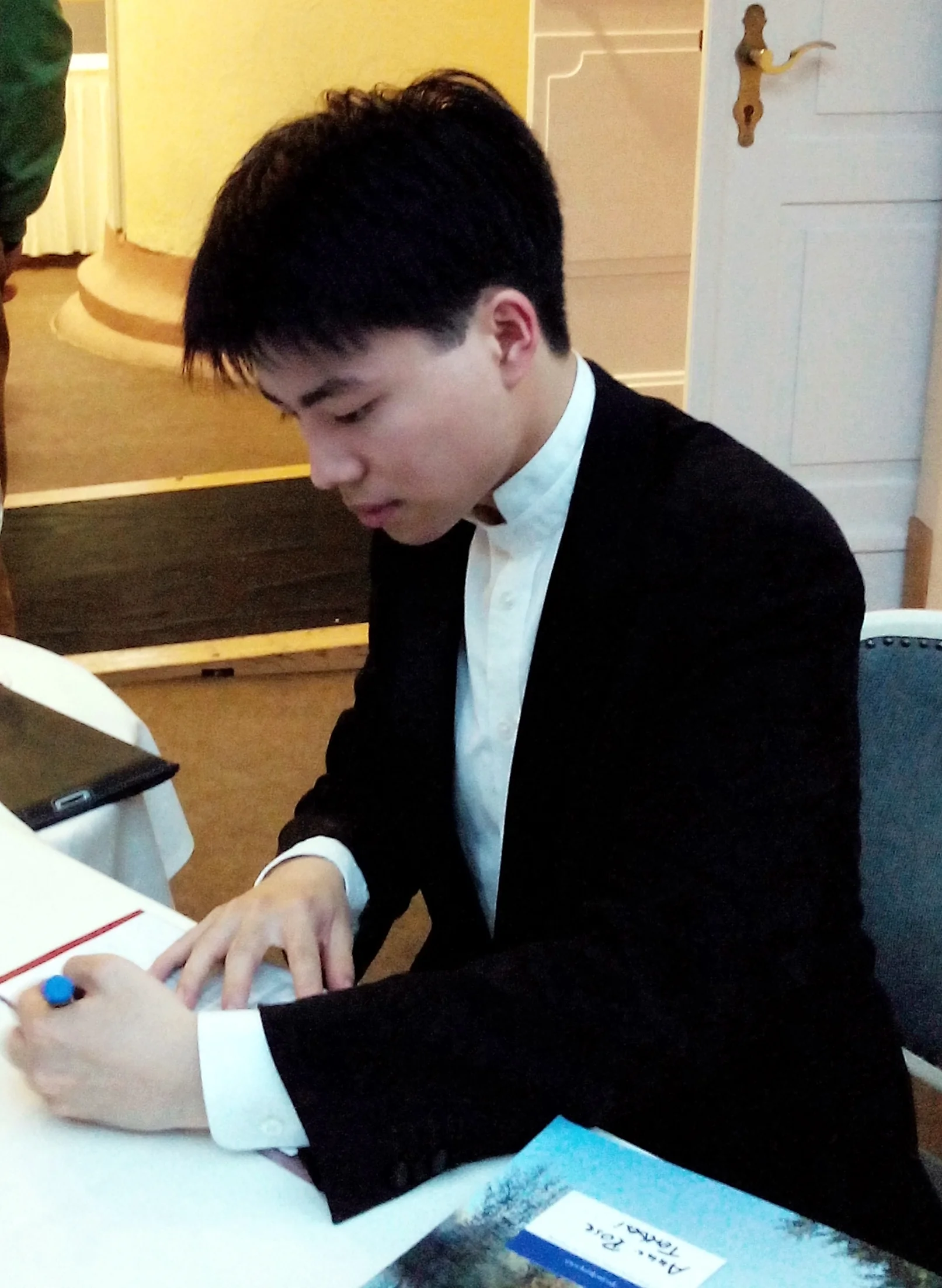
Piano Evening with Katharina Thalbach and Kit Armstrong
Katharina Thalbach and Kit Armstrong piano evening with texts by Grieg, Saint-Saëns, and Tchaikovsky
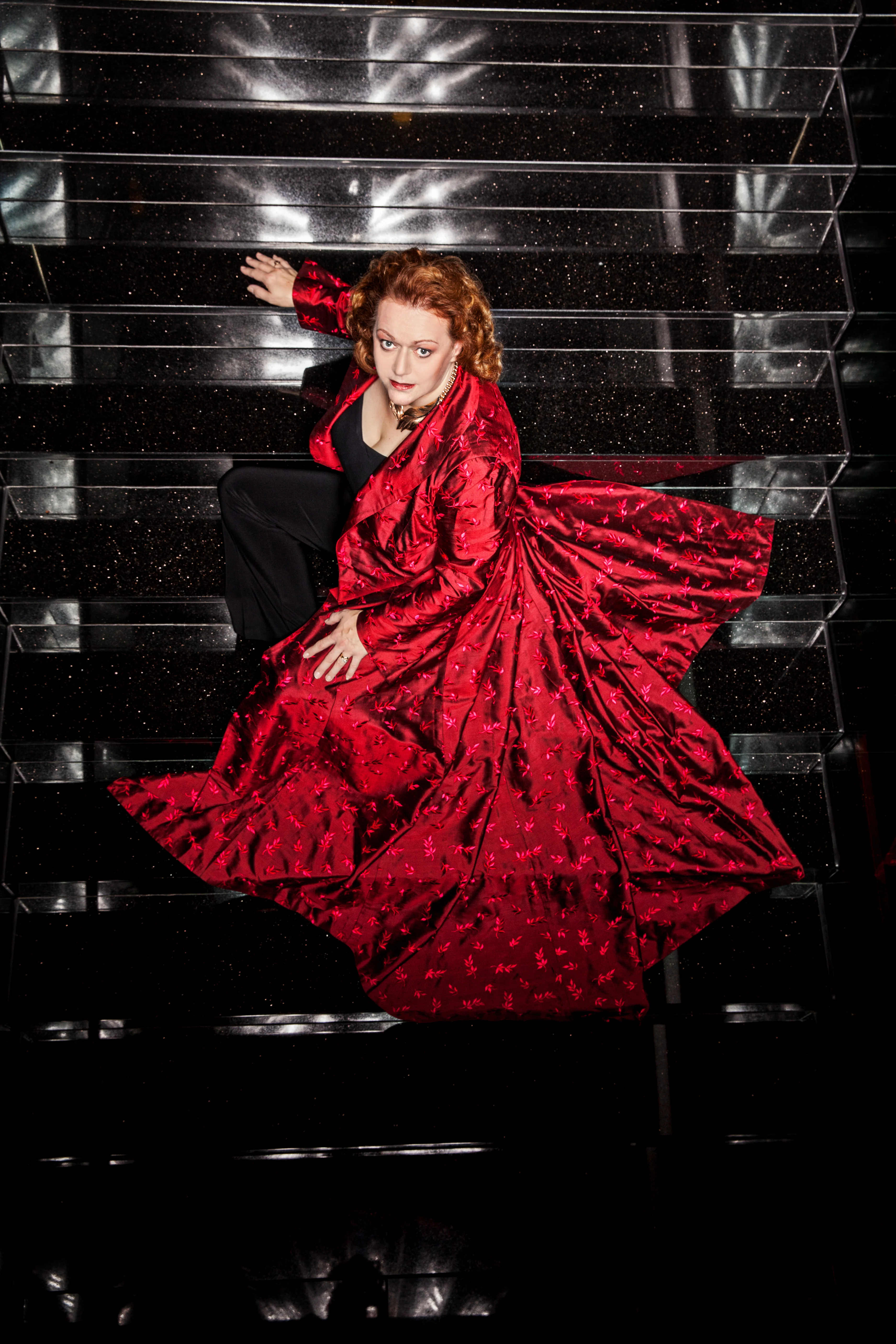
Catherine Foster and Friends
Concert evening with Catherine Foster, Daniel Johansson and Tanguy de Williencourt.
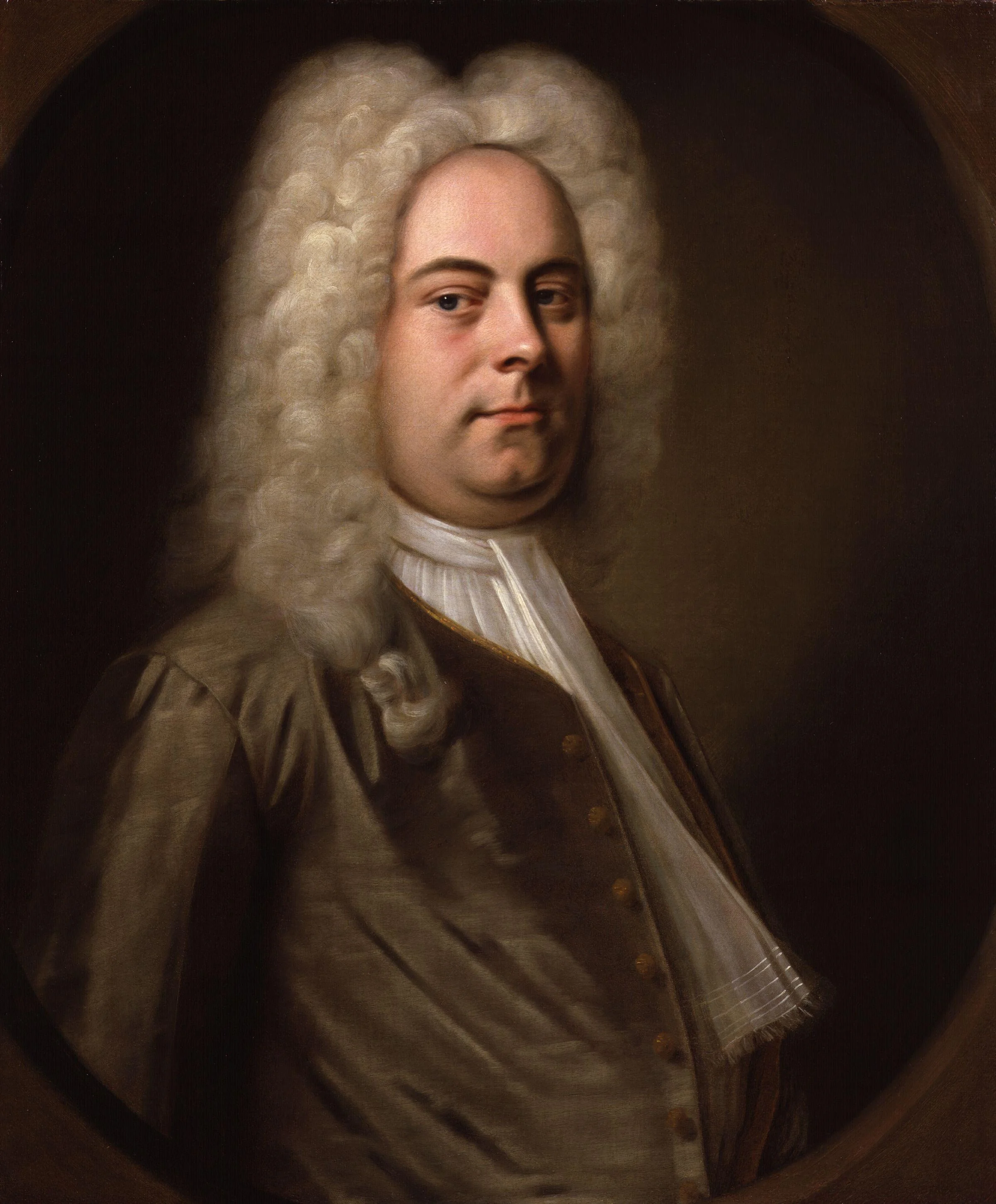
Floridante: Handel's Baroque Opera in Bayreuth
Baroque passion in a UNESCO World Heritage site: Floridante brings Handel to Bayreuth. New production, historic stage, great voices. #BayreuthBaroque
Handel's Nature - Christophe Dumaux
A Baroque evening full of brilliance in Bayreuth: Christophe Dumaux sings Handel in the Margravial Opera House. Historic stage, great emotions, strong live atmosphere. #BayreuthBaroque
The Aria Suitcases - Julia Lezhneva
A baroque highlight in Bayreuth: Julia Lezhneva sings Aria Suitcases at the Markgräfliches Opernhaus. An evening full of virtuosity, emotion, and history. #Bayreuth
The Sopranos - Federico Fiorio, Maayan Licht and Dennis Orellana
Bayreuth experiences a rare baroque evening full of brilliance, virtuosity, and great voices. The Sopranos at the Markgräfliches Opernhaus #Bayreuth
From the Old Fritz to Checker Tobi - Famous Guests in the Opera House
A baroque jewel tells a story: The tour in the Margravial Opera House Bayreuth leads to famous guests and hidden corners. 28.12.2026, from 3 €. #Bayreuth
Frequently Asked Questions
Reviews
Krisztina Payne
4. January 2026
Exceptional place, if you love history, you'll enjoy hearing about the local royals and the small interesting facts. Ask for Jana, she was our guide and we couldn't have been more grateful to have her. She lives and breathes the history of this opera house, and that was just the beginning of the beautiful culture this town has to offer. There's also an area where kids can explore how things have been done on stage and around the opera house. Worth the money!
Maciej Polakowski
20. June 2025
From the outside, you could mistake it for any other old tenement house. Inside, it's the most impressive opera I have ever seen, worthy of a UNESCO title for sure. The visit to the Opera is limited to ground floor seats and a view from one of the lounges (unless you go with the guide), after that it's a modern museum, which is also quite interesting and has a miniature scene you can play with. You can't bring any bags, even the smallest ones; lockers are downstairs for 1 euro, which you get back. I wish someday to visit a play here since it has to be magical.
Evgeniia
2. November 2024
Beautiful! Beautiful and again beautiful place! Very affordable, interesting exposition about the history of the theater. Really worth visiting. There is a WC (you don't have to buy a ticket for that). Note that you can't go with your backpack and it has to be stored, so keep a 1 euro coin to lock the locker.
Ferdinand
16. July 2025
The entry ticket was 10€, but IT'S ALL WORTH IT! The stage was just beautiful, it's like stepping into the past and it makes you wonder how ugly art in our present day has become.
Aswajith S
5. December 2025
Really beautiful and well maintained. Must visit when you are in Bayreuth.