
Curse
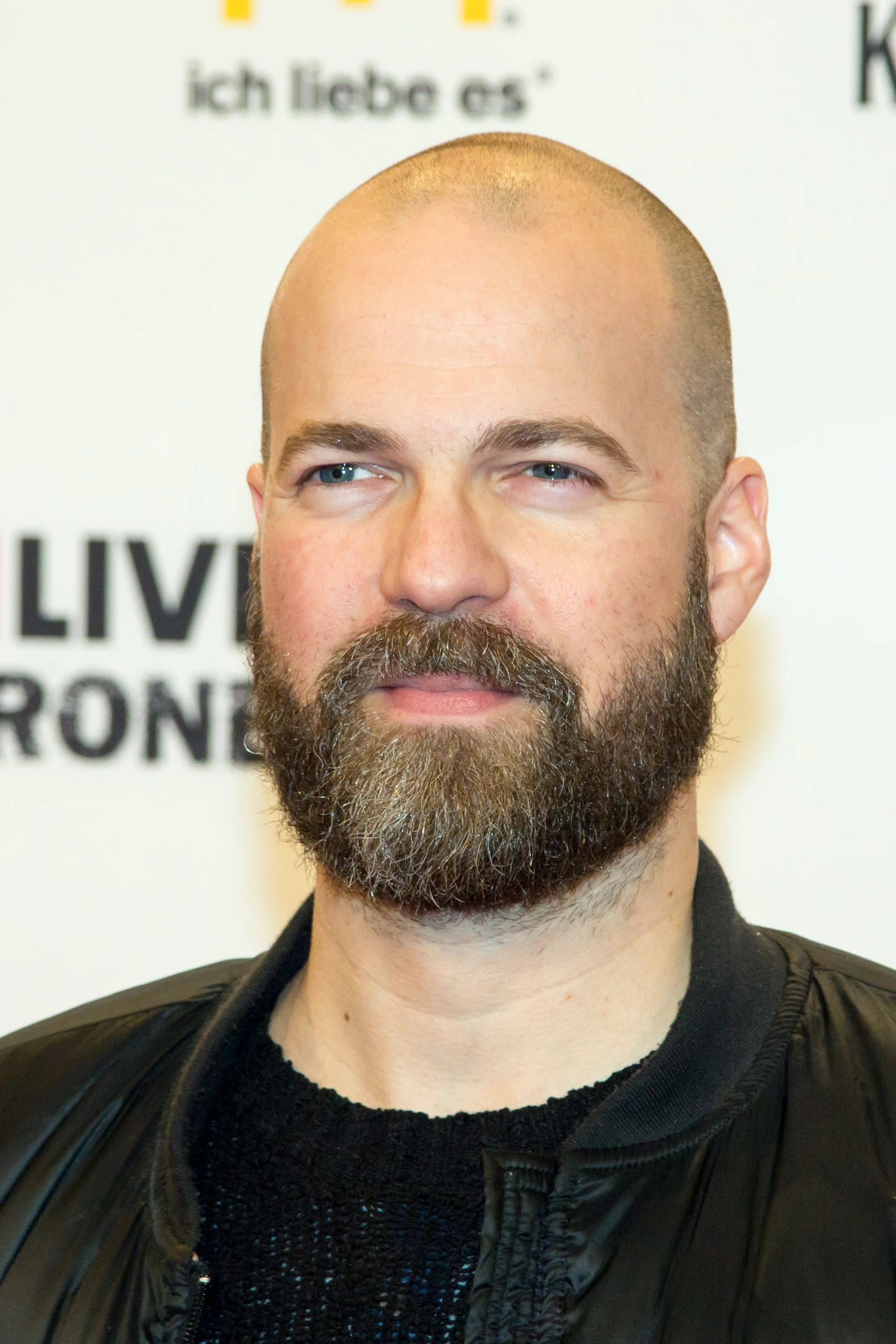
Image from Wikipedia
Image from Wikipedia
Curse – Poetic German Rap between Self-Reflection, Spirit, and Stage Power
An artist who has shaped German rap with attitude, depth, and clear language
Curse, born Michael Sebastian Kurth, is one of the most distinctive voices in German hip-hop. Born on September 6, 1978, in Minden, he evolved from a precise rapper with literary aspirations into an artist who continually readjusted his music career, intertwining personal growth, spirituality, and societal observation. His stage name playfully references his surname Kurth and early on became a brand for introspective, often very intimate rap. ([en.wikipedia.org](https://en.wikipedia.org/wiki/Curse_%28rapper%29))
When looking at Curse, one sees not just a rapper but a musician with a pronounced artistic development, navigating between classic hip-hop roots, melodic arrangements, and linguistic precision. His discography tells stories of new beginnings, experimentation, returns, and maturation. It is precisely this range that continues to captivate music lovers today, who seek more from German rap than mere attitude. ([en.wikipedia.org](https://en.wikipedia.org/wiki/Curse_%28rapper%29))
The beginnings: From regional rap to national breakthrough
Curse began his career in the 1990s, initially active in a band before establishing himself as a solo artist. He gained early attention partly through his participation in DJ Tomek's single "Ich lebe für Hip Hop" in 2000, where he appeared alongside GZA, Prodigal Sunn, and the Stieber Twins. His debut album Feuerwasser emphasized self-reflective lyrics, classic rap forms, and a distinct signature in the composition of his songs. ([en.wikipedia.org](https://en.wikipedia.org/wiki/Curse_%28rapper%29))
With Von innen nach außen, he made the leap to a broader public in 2001. The single "Lass uns doch Freunde sein" intentionally deviated from typical rap codes and garnered him attention far beyond the hip-hop scene. The album reached the top ten in Germany and was awarded as the best national album by Juice magazine. Curse was no longer just a promising rapper but a serious author in the German music industry. ([en.wikipedia.org](https://en.wikipedia.org/wiki/Curse_%28rapper%29))
Musical development: Between experimentation and returning to roots
With Innere Sicherheit, Curse significantly shifted his production style. Instead of primarily electronic beats, he opted for a broader instrumental palette that gave his rap more space for dynamics and atmosphere. Tracks like "Ich versteh dich" featuring flutes, "Schocktherapie" as a crossover moment, and the piano ballad "Und was ist jetzt?" showcase an artist who treats arrangement and emotion not as opposites. The lyrics became more political, socially critical, and simultaneously more personal. ([en.wikipedia.org](https://en.wikipedia.org/wiki/Curse_%28rapper%29))
This openness also shaped his later works. On Sinnflut, Curse returned to his roots without giving up the complexity he had previously developed. The single "Gangsta Rap" reached the charts, while songs like "Kein Weg zurück," "Mein Leben," and "Der Fluch" emphasized his strength for introspective storytelling. The album felt cohesive yet varied, supported by a deliberately set tension between hardness and vulnerability. ([en.wikipedia.org](https://en.wikipedia.org/wiki/Curse_%28rapper%29))
Collaborations and authority in the scene
A significant part of Curse’s authority in German rap has come from his collaborations. Over the years, he has worked with names such as Azad, Kool Savas, Xavier Naidoo, Max Herre, Samy Deluxe, Dendemann, Gentleman, Patrice, Pete Rock, Black Thought, RZA, The Arsonists, Greis, TAZ, and many others. Such features are not just guest appearances but indicators of artistic weight and trust within a scene that values authenticity. ([de.wikipedia.org](https://de.wikipedia.org/wiki/Curse))
Particularly noteworthy is that Curse has also provided platforms for emerging talents. Through Alles Real Records, he gave artists like Italo Reno & Germany as well as Stress and Trauma a wider audience. This reflects an understanding of the scene as a network: not just maximizing one's own reach but thinking about musical development collectively. This attitude strengthens his role as an experienced musician and mentor simultaneously. ([en.wikipedia.org](https://de.wikipedia.org/wiki/Curse_%28rapper%29))
Withdrawal, comeback, and artistic maturity
On October 5, 2010, Curse announced that he would not continue his rap career. However, rather than a definitive end, a comeback followed in 2014 with the album Uns, released under the newly founded label Indie Neue Welt. The first single "Wir brauchen nur uns" marked the restart of an artist who viewed his break not as stagnation but as a phase of maturation. The album achieved strong chart positions once again, demonstrating how resilient his artistic voice remained. ([en.wikipedia.org](https://en.wikipedia.org/wiki/Curse_%28rapper%29))
With Die Farbe von Wasser, Curse made another significant statement in 2018. The album climbed to number 2 on the German charts and was accompanied by a tour that took him through several cities. The music felt more concentrated, personal, and approachable. In 2024, he returned after six years with Unzerstörbarer Sommer, a 17-track album featuring artists like Moses Pelham and Patrice. The Germany tour ran until February 2025. ([de.wikipedia.org](https://de.wikipedia.org/wiki/Curse))
Current projects: Album, EP, podcast, and coaching
Curse no longer views his work solely as rap. On his official website, he refers to the album Unzerstörbarer Sommer and the EP Aera, which was released on November 29, 2024. The description emphasizes the return of lyrics, storytelling, and soulful beats – a formulation that neatly summarizes the essence of his current musical identity. This release shows that his music career continues to prioritize relevance, presence, and artistic mastery in the present. ([curse.de](https://curse.de/))
In parallel, Curse works as a systemic coach, speaker, and podcast producer. Since January 2017, he has been publishing the podcast Meditation, Coaching & Life, discussing meditation and work-life balance, and offering practical life models through workshops and books. This second artistic layer complements his musical profile without diluting it: The language remains precise, the attitude reflective, and the tone approachable. ([de.wikipedia.org](https://de.wikipedia.org/wiki/Curse))
Discography: Milestones, charts, and reception
Curse's discography traces the development of an artist who has prioritized substance from the very beginning. His key studio albums include Feuerwasser (2000), Von innen nach außen (2001), Innere Sicherheit (2003), Sinnflut (2005), Freiheit (2008), Uns (2014), Die Farbe von Wasser (2018), and Unzerstörbarer Sommer (2024). Additionally, projects like Prestige and later releases document his stylistic range. ([en.wikipedia.org](https://en.wikipedia.org/wiki/Curse_%28rapper%29))
He has also made a significant commercial impact. Several albums reached the top ten in Germany, Switzerland, and Austria; Von innen nach außen peaked at number 9 in Germany, Die Farbe von Wasser reached number 2, and Unzerstörbarer Sommer climbed to number 3 in Germany. Critics in the music press particularly praised his depth, storytelling, and ability to connect classic rap dramaturgy with emotional openness. ([de.wikipedia.org](https://de.wikipedia.org/wiki/Curse))
Style, language, and cultural influence
Curse belongs to those German rappers who perceive language as a central instrument. His lyrics engage in self-observation, precision, and often carry a spiritually charged perspective on everyday life, conflict, and identity. In his music, classic hip-hop elements meet melodic passages, careful production, and an approach to emotion that is neither overly sentimental nor cold. This is at the core of his artistic development. ([en.wikipedia.org](https://en.wikipedia.org/wiki/Curse_%28rapper%29))
His cultural influence extends beyond the genre. Curse has shown that German rap can be introspective, literary, and chart-friendly at the same time. The fact that he is now also present as an author, podcaster, and coach adds a rare consistency to this image: He not only speaks of self-discovery but lives it as part of his public persona. This makes him relevant to fans of German rap culture as well as to listeners who appreciate biographically shaped music. ([de.wikipedia.org](https://de.wikipedia.org/wiki/Curse))
Conclusion: Why Curse continues to fascinate
Curse remains captivating because he has never understood rap as mere pose. His songs connect technical control, emotional honesty, and a clear perspective on his own life. Those who listen to his albums experience not just a rapper with a distinctive voice, but an artist who has translated his music career into new forms over decades. ([en.wikipedia.org](https://en.wikipedia.org/wiki/Curse_%28rapper%29))
Especially live, this blend of stage presence, linguistic sharpness, and inner calm exerts a special power. Anyone who wishes to not only know but experience German hip-hop history should see Curse on stage. His music represents maturity, depth, and a rare connection of art and attitude. ([curse.de](https://curse.de/))
Official channels of Curse:
- Instagram: https://www.instagram.com/cursezeit/
- Facebook: https://www.facebook.com/curseofficial
- YouTube: https://www.youtube.com/channel/UCLG60d5_WUxHIROfk5QB5Sg
- Spotify: https://open.spotify.com/artist/4MgKf1MjOXZipoP0Kbv4hi?nd=1&si=F8LVir8YQgqXoko7y7gp6A
- TikTok: no official profile found
Sources:
Upcoming Events
CURSE + LIQUID&MANIAC + ILLFLOW at Backstage Munich
Munich gets rap with attitude: Curse, LIQUID&MANIAC, and ILLFLOW live at Backstage Werk. Free entry, festival feeling, and big words. #FreeAndEasy
Merck-Summer Pearls: Hip-Hop & Rap with Curse
Visit the Centralstation in Darmstadt to experience Curse live. An unforgettable evening full of rap and hip-hop!
Merck Sommerperlen: Curse
On August 19, 2026, at 8:00 PM, Curse presents an energetic concert at Centralstation Darmstadt.
Merck-Sommerperlen: Curse
Join an energetic hip-hop concert with Curse on August 19 at the Centralstation Darmstadt.