
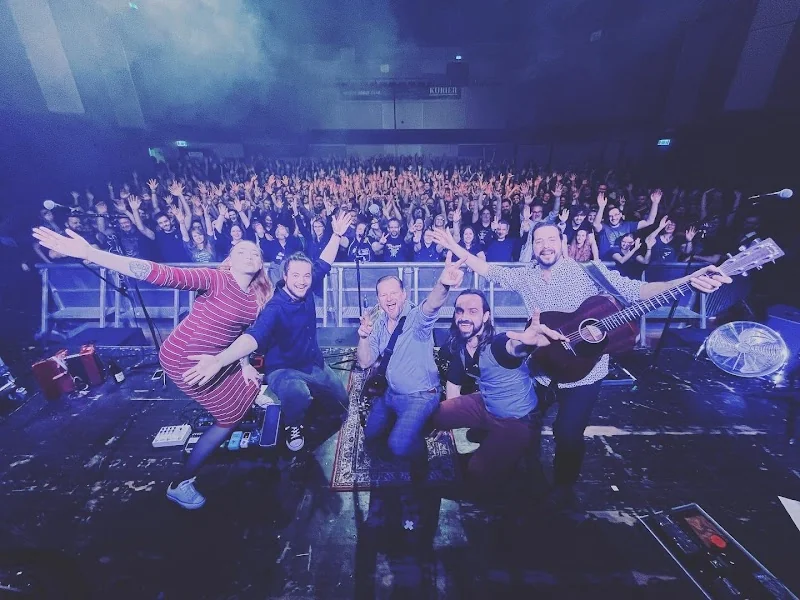
Bayreuth
Äußere Badstraße 7A, 95448 Bayreuth, Deutschland
DAS ZENTRUM Bayreuth | Events & Tickets 2026
DAS ZENTRUM • International Youth Culture Center Bayreuth is one of the most versatile cultural addresses in the city and has been connecting the young scene, live programs, and rentals under one roof for decades. The history of the building dates back to the early ideas for a dedicated cultural center; the non-profit association was founded in 1974, the foundation stone was laid in 1978, the inauguration took place in 1982, and extensive renovation and expansion occurred in 2012/2013. Today, according to its own description, DAS ZENTRUM has been a vibrant meeting place for over 30 years, attracting around 40,000 visitors each year on average. Those looking for events, tickets, photos, images, directions, parking, or the rooms Europasaal and Kleinkunstbühne will find a venue that consciously covers many inquiries and serves as a stage, meeting point, and project location. ([das-zentrum.de](https://www.das-zentrum.de/geschichte.html))
Events, Program, and Tickets at DAS ZENTRUM Bayreuth
The program of DAS ZENTRUM Bayreuth is clearly designed for diversity and covers numerous topics that become evident in autocomplete search queries: events, program, tickets, music, comedy, theater, readings, family formats, and workshops. The official event page shows that the venue not only publishes its own series and entries but also presents its entire schedule in a clear calendar logic. Current calendars include, for example, comedy and cabaret evenings, music formats, readings, and theater dates in the Europasaal or the Kleinkunstbühne. The website maintains its own categories for this purpose, allowing interested parties to navigate directly to the relevant sections. This is precisely what makes the place attractive for seekers who are not only looking for a hall but also a regular cultural calendar with clear genres and planable dates. ([das-zentrum.de](https://www.das-zentrum.de/veranstaltungen.html))
DAS ZENTRUM is particularly strong in formats that appeal to a young, curious, and urban audience. According to its own description, the venue primarily targets a young audience and serves as a platform for youth projects, modern theater, international artist workshops, classical and contemporary music, pop and rock festivals, as well as film and reading festivals. In practice, this range is also reflected in the program structure: regular workshops, youth encounters, student spokesperson days, information evenings, rehearsals, and festival formats are firmly part of the profile. For the ticket question, this is as important as for SEO planning, as users often first search for the event and then for the purchasing method. Here, the venue's ticket shop helps, allowing online purchase and self-printing for selected events; additionally, the theater box office in Bayreuth and other advance sales outlets are mentioned. So, those looking for tickets or the current program will find a very concrete and well-organized offering at DAS ZENTRUM. ([das-zentrum.de](https://www.das-zentrum.de/wissenswertes.html))
The current program diversity also speaks to the relevance of the venue in search engines. The event overview for 2026 features several comedy and cabaret names, music evenings, and stage formats, demonstrating the broad scope of the schedule. This mix is important for Bayreuth because DAS ZENTRUM is perceived not only as a cultural house but also as a reliable point of contact for different event types. Search terms like das zentrum bayreuth program, tickets, events, or even specific artist inquiries often lead directly to this location. This aligns with the event series that the venue regularly hosts according to its own knowledge page: Poetry Slam Bayreuth, Comedy and Cabaret Autumn, Reading Pleasure Festival, the three-day short film festival kontrast, the family experience Festival of the Senses, and the youth radio Funkloch show that the program is not one-dimensional but grows from scene, education, and entertainment. This mix makes DAS ZENTRUM a location that is both locally rooted and regionally connected. ([das-zentrum.de](https://www.das-zentrum.de/veranstaltungen.html))
Directions and Parking at Äußere Badstraße 7A
The directions to DAS ZENTRUM Bayreuth are well described for visitors and thus an important part of search intentions. The official address is Äußere Badstraße 7A, 95448 Bayreuth. Those arriving by bus can, according to the website, travel via several stops depending on the line, including Oberfrankenhalle/Sportzentrum, Wieland-Wagner-Straße, or Friedrich-Ebert-Straße/Königsallee. Several city bus lines are mentioned, making the venue clearly accessible not only for pedestrians but also for public transport. This is a significant advantage, especially for evening events, as a cultural venue thrives not only on its stage but also on practical accessibility for an audience from the city and surrounding areas. ([das-zentrum.de](https://www.das-zentrum.de/anfahrt.html))
For those arriving by car, DAS ZENTRUM points out that there are only limited parking spaces available at the venue. Additionally, two disabled parking spaces are reserved for authorized individuals directly in front of the building. A particularly helpful tip mentioned on the site is the parking garage Oberfrankenhalle/Sportpark on Albrecht-Dürer-Straße; it is only about a three-minute walk to DAS ZENTRUM from there. This information is crucial for search queries like parking, directions, or parking space, as it clearly outlines the realistic process before a concert or theater evening. Those attending a larger event plan for a short walk and ideally use the adjacent parking garage instead of hoping for a few spaces directly at the building. This clear communication positively impacts the user experience and reduces uncertainty regarding the visit. ([das-zentrum.de](https://www.das-zentrum.de/anfahrt.html))
From an SEO perspective, the connection of address, stops, and parking information is valuable as it closes the gap between information search and visit planning. Many users not only enter the name of the location but also append practical additional terms like photos, images, directions, or parking. DAS ZENTRUM meets these expectations with an official directions section that documents both car access and bus routes. This creates a clear orientation, especially useful for regional visitors: the venue is not located in an ambiguous area but at a precise address with described access options, reserved disabled parking spaces, and a nearby parking garage as a realistic alternative. This reliability is often the difference between a superficial click and actual arrival in the event sector. ([das-zentrum.de](https://www.das-zentrum.de/anfahrt.html))
Europasaal: Capacity, Stage, and Equipment
The Europasaal is the central large room in DAS ZENTRUM Bayreuth and thus a key topic for inquiries regarding capacity, room layout, seating, and equipment. According to the official rental page, the hall offers up to 374 seats plus 84 seats in the gallery or up to 650 standing places. The city of Bayreuth additionally mentions an area of approximately 300 square meters, a large stage of about 71 square meters, a height-adjustable front stage, and an orchestra pit. Modern stage machinery, darkening window fronts, an RGB-controllable light ceiling, a screen, a projector, a grand piano, as well as lighting and sound technology are also included. Thus, the Europasaal is suitable not only for classical concert and comedy formats but also for theater, conferences, award ceremonies, gala programs, and hybrid event formats. Therefore, those searching for Europasaal, capacity, or seating plan will find a room with clear dimensions and professional technology here. ([das-zentrum.de](https://www.das-zentrum.de/vermietung.html))
It is particularly interesting that the Europasaal is spatially barrier-free according to the city overview. This makes it usable for a broad audience and increases its attractiveness for event organizers who prioritize accessibility. Induction loops for hearing-impaired individuals are also noted, enhancing the hall's inclusion aspect. For events with audiences on multiple levels, the gallery is relevant as it creates additional seating and simultaneously enhances the spatial effect. The official rental page also emphasizes that there are individual equipment options and that the team can realize different seating and lighting variants depending on the requirements. This flexibility is crucial in the event day-to-day: a concert hall can become a theater hall, a talk room, or a cabaret stage depending on the production. This explains why big names from cabaret and comedy repeatedly appear in the Europasaal in the calendar. ([das-zentrum.de](https://www.das-zentrum.de/vermietung.html))
For search terms like europasaal, best seats, capacity, or images, it is also important that the venue documents its rooms with impressions on the website. The Europasaal is not only described technically but also visually presented, allowing interested parties to gain a real impression of the stage, seating arrangement, and atmosphere. This is particularly important for venues with multiple usage types, as photos and images often serve as the final decision aid before a ticket is purchased or a space is booked. The Europasaal exemplifies the profile of the venue: a room with a large capacity, professional technology, flexible seating, and equipment that enables both musical and spoken theatrical formats. In sum, this makes the hall a centerpiece of the location and a strong anchor for SEO content. ([das-zentrum.de](https://www.das-zentrum.de/vermietung.html))
Kleinkunstbühne for Club Concerts, Theater, and Readings
The Kleinkunstbühne is the counterpart to the large Europasaal and is described on the website as an independent, versatile space with its own identity. It encompasses about 100 square meters and can be used with 99 seats or unseated with around 200 places. Additionally, there is a mobile 20-square-meter stage, a screen, a projector, as well as lighting and sound technology. Particularly practical is that the Kleinkunstbühne can be used autonomously: it has a separate entrance area, its own bar area, and separate restrooms. These features make it ideal for club concerts, readings, theater evenings, seminars, and smaller parties. For search terms like kleinkunstbühne, program, photos, or images, this space is therefore a particularly important reference area. ([das-zentrum.de](https://www.das-zentrum.de/vermietung.html))
The official wording that the small hall is ideal for concerts, readings, theater, seminars, and parties already shows how broad the usage spectrum is conceived. The event calendar regularly features jam sessions, musical formats, and club concerts, precisely those events where closeness between the stage and audience is particularly appreciated. For artists and event organizers, the Kleinkunstbühne is attractive because it combines the intimate atmosphere of a smaller venue with the technical basic equipment of a professional venue. For the audience, it is interesting because here, the distance of a large hall does not dominate, but rather the direct experience of voice, instrument, text, and reaction. This also explains why DAS ZENTRUM is often used in this space for formats that thrive on spontaneity and immediate communication. ([das-zentrum.de](https://www.das-zentrum.de/vermietung.html))
Additionally, the Kleinkunstbühne is an important complement to the Europasaal in the venue concept. Not every event needs large reach; some programs benefit precisely from the compact room size, the own bar area, and the quickly adaptable technology. For search queries regarding seating plan, small concerts, or flexible spaces, this differentiation is particularly helpful as it makes the venue understandable as a multi-room location. The Kleinkunstbühne represents the smaller, more experimental, and often audience-closer side of DAS ZENTRUM. Those searching for the word photos or images will also come across impressions and photo series that show how the space works during concerts, discussions, or theater formats. This way, the location meets several user expectations: it informs, inspires, and makes the decision for a visit or booking easier. ([das-zentrum.de](https://www.das-zentrum.de/vermietung.html))
Workshop Rooms, Photos, and Flexible Rental
In addition to the stage rooms, the rental concept of DAS ZENTRUM Bayreuth is particularly interesting for workshops, seminars, rehearsals, and group work. The official page describes several workshop or workrooms of varying sizes. Four rooms of about 45 square meters, one room of about 56 square meters, and a dance room of 60 square meters with a dance floor and mirror wall are mentioned. The city overview adds that the rooms can be flexibly equipped and are sometimes individually furnished with tables, chairs, and other equipment. Acoustic ceilings, pianos, flip charts, and projectors are also mentioned, which strengthens the profile of the venue as a learning, rehearsal, and production site. Therefore, those searching for workshop rooms, room plans, or rental options will find here not just a pure event space but a functional working environment. ([das-zentrum.de](https://www.das-zentrum.de/vermietung.html))
The technical and spatial flexibility is a real plus in Bayreuth. The city further states that all rooms are equipped with Wi-Fi, the Europasaal is barrier-free, and there is a grand piano in the Europasaal; the Kleinkunstbühne has a piano. Such details are relevant for cultural creators, seminar organizers, and associations as they significantly simplify preparation. The possibility of individually arranging or equipping rooms also increases the utility. DAS ZENTRUM describes itself as a venue that offers space for projects of all kinds and sizes, with a team that professionally supports planning and execution. This wording indicates that rental is not seen as a by-product but as an integral part of the venue. ([das-zentrum.de](https://www.das-zentrum.de/vermietung.html))
Those searching for photos or images of DAS ZENTRUM Bayreuth will encounter a particularly useful feature: the website works with impressions, i.e., visual impressions of the respective areas on the room pages. This is very helpful for users as not only technical data but also atmosphere and spatial effect become visible. Especially for questions like best seats, images, photos, or capacity, such impressions are often decisive. For SEO, this is important because seekers often need a picture of the place before deciding on a ticket, a booking, or directions. In the case of DAS ZENTRUM, the photos and impressions are therefore not just decorative but a central part of the information architecture. They simultaneously support rental, event marketing, and online findability. ([das-zentrum.de](https://www.das-zentrum.de/kleinkunstbuehne.html))
History, Renovation, and Importance for Bayreuth
The history of DAS ZENTRUM begins long before the current building stock and is closely linked to the development of international youth culture in Bayreuth. As early as 1950, Herbert Barth founded the International Youth Festival Meeting, which is now known as the Festival of Young Artists Bayreuth. In the mid-1960s, the desire for a dedicated cultural center as a suitable rehearsal and performance venue arose. In 1974, the founding meeting of the non-profit association International Youth Culture Center Bayreuth followed, in 1978 the foundation stone of the building designed by Helmut Jahn was laid, and in 1982 the inauguration took place. In 1989, the German-French forum for young art was integrated, with which DAS ZENTRUM continues to collaborate today. This chronology shows that the place did not arise spontaneously but from a culturally political idea that has grown over decades. ([das-zentrum.de](https://www.das-zentrum.de/geschichte.html))
The renovation of 2012/2013 was a response to the intensive use of the building. According to the official representation, continuous attendance and decades of use had so heavily strained the building and its space offerings that a general renovation and expansion became necessary. The sponsoring committee planned the nearly 5.8 million euro construction project together with the architectural firm Hauck & Steger from Bayreuth; it was supported by the city of Bayreuth, the Free State of Bavaria, the Oberfranken Foundation, and the Bavarian State Foundation. The groundbreaking took place in early May 2012, the topping-out ceremony for the new multifunctional Kleinkunstbühne in September 2012, and the reopening with a festive act in early August 2013. For the classification as a location, this renovation is central as it explains the current mix of grown cultural history and modernized infrastructure. ([das-zentrum.de](https://www.das-zentrum.de/sanierung.html))
Today, according to its own website, DAS ZENTRUM has been a vibrant meeting place for different target groups for over 30 years and is a fixed cultural fixture in Bayreuth, unique in the Upper Franconia region. In addition to its own events, the venue hosts the event office, the German-French forum for young art, the Festival of Young Artists, and several house groups. The knowledge page also mentions formats and institutions that shape the venue: Bayreuth Pub Festival, Youth Radio Funkloch, Poetry Slam Bayreuth, Comedy and Cabaret Autumn, Reading Pleasure Festival, the Short Film Festival kontrast, and the Family Experience Day Festival of the Senses. This mix of youth culture, music, theater, film, and education explains why DAS ZENTRUM appears in many search queries not only as an event venue but as a cultural hub in Bayreuth. Those searching for Martin Frank, Mamaladnamala, Ceci, or other program points often end up at this location because it offers that mix of closeness, diversity, and reliability that characterizes a modern cultural house. ([das-zentrum.de](https://www.das-zentrum.de/wissenswertes.html))
Sources:
Show moreShow less
DAS ZENTRUM Bayreuth | Events & Tickets 2026
DAS ZENTRUM • International Youth Culture Center Bayreuth is one of the most versatile cultural addresses in the city and has been connecting the young scene, live programs, and rentals under one roof for decades. The history of the building dates back to the early ideas for a dedicated cultural center; the non-profit association was founded in 1974, the foundation stone was laid in 1978, the inauguration took place in 1982, and extensive renovation and expansion occurred in 2012/2013. Today, according to its own description, DAS ZENTRUM has been a vibrant meeting place for over 30 years, attracting around 40,000 visitors each year on average. Those looking for events, tickets, photos, images, directions, parking, or the rooms Europasaal and Kleinkunstbühne will find a venue that consciously covers many inquiries and serves as a stage, meeting point, and project location. ([das-zentrum.de](https://www.das-zentrum.de/geschichte.html))
Events, Program, and Tickets at DAS ZENTRUM Bayreuth
The program of DAS ZENTRUM Bayreuth is clearly designed for diversity and covers numerous topics that become evident in autocomplete search queries: events, program, tickets, music, comedy, theater, readings, family formats, and workshops. The official event page shows that the venue not only publishes its own series and entries but also presents its entire schedule in a clear calendar logic. Current calendars include, for example, comedy and cabaret evenings, music formats, readings, and theater dates in the Europasaal or the Kleinkunstbühne. The website maintains its own categories for this purpose, allowing interested parties to navigate directly to the relevant sections. This is precisely what makes the place attractive for seekers who are not only looking for a hall but also a regular cultural calendar with clear genres and planable dates. ([das-zentrum.de](https://www.das-zentrum.de/veranstaltungen.html))
DAS ZENTRUM is particularly strong in formats that appeal to a young, curious, and urban audience. According to its own description, the venue primarily targets a young audience and serves as a platform for youth projects, modern theater, international artist workshops, classical and contemporary music, pop and rock festivals, as well as film and reading festivals. In practice, this range is also reflected in the program structure: regular workshops, youth encounters, student spokesperson days, information evenings, rehearsals, and festival formats are firmly part of the profile. For the ticket question, this is as important as for SEO planning, as users often first search for the event and then for the purchasing method. Here, the venue's ticket shop helps, allowing online purchase and self-printing for selected events; additionally, the theater box office in Bayreuth and other advance sales outlets are mentioned. So, those looking for tickets or the current program will find a very concrete and well-organized offering at DAS ZENTRUM. ([das-zentrum.de](https://www.das-zentrum.de/wissenswertes.html))
The current program diversity also speaks to the relevance of the venue in search engines. The event overview for 2026 features several comedy and cabaret names, music evenings, and stage formats, demonstrating the broad scope of the schedule. This mix is important for Bayreuth because DAS ZENTRUM is perceived not only as a cultural house but also as a reliable point of contact for different event types. Search terms like das zentrum bayreuth program, tickets, events, or even specific artist inquiries often lead directly to this location. This aligns with the event series that the venue regularly hosts according to its own knowledge page: Poetry Slam Bayreuth, Comedy and Cabaret Autumn, Reading Pleasure Festival, the three-day short film festival kontrast, the family experience Festival of the Senses, and the youth radio Funkloch show that the program is not one-dimensional but grows from scene, education, and entertainment. This mix makes DAS ZENTRUM a location that is both locally rooted and regionally connected. ([das-zentrum.de](https://www.das-zentrum.de/veranstaltungen.html))
Directions and Parking at Äußere Badstraße 7A
The directions to DAS ZENTRUM Bayreuth are well described for visitors and thus an important part of search intentions. The official address is Äußere Badstraße 7A, 95448 Bayreuth. Those arriving by bus can, according to the website, travel via several stops depending on the line, including Oberfrankenhalle/Sportzentrum, Wieland-Wagner-Straße, or Friedrich-Ebert-Straße/Königsallee. Several city bus lines are mentioned, making the venue clearly accessible not only for pedestrians but also for public transport. This is a significant advantage, especially for evening events, as a cultural venue thrives not only on its stage but also on practical accessibility for an audience from the city and surrounding areas. ([das-zentrum.de](https://www.das-zentrum.de/anfahrt.html))
For those arriving by car, DAS ZENTRUM points out that there are only limited parking spaces available at the venue. Additionally, two disabled parking spaces are reserved for authorized individuals directly in front of the building. A particularly helpful tip mentioned on the site is the parking garage Oberfrankenhalle/Sportpark on Albrecht-Dürer-Straße; it is only about a three-minute walk to DAS ZENTRUM from there. This information is crucial for search queries like parking, directions, or parking space, as it clearly outlines the realistic process before a concert or theater evening. Those attending a larger event plan for a short walk and ideally use the adjacent parking garage instead of hoping for a few spaces directly at the building. This clear communication positively impacts the user experience and reduces uncertainty regarding the visit. ([das-zentrum.de](https://www.das-zentrum.de/anfahrt.html))
From an SEO perspective, the connection of address, stops, and parking information is valuable as it closes the gap between information search and visit planning. Many users not only enter the name of the location but also append practical additional terms like photos, images, directions, or parking. DAS ZENTRUM meets these expectations with an official directions section that documents both car access and bus routes. This creates a clear orientation, especially useful for regional visitors: the venue is not located in an ambiguous area but at a precise address with described access options, reserved disabled parking spaces, and a nearby parking garage as a realistic alternative. This reliability is often the difference between a superficial click and actual arrival in the event sector. ([das-zentrum.de](https://www.das-zentrum.de/anfahrt.html))
Europasaal: Capacity, Stage, and Equipment
The Europasaal is the central large room in DAS ZENTRUM Bayreuth and thus a key topic for inquiries regarding capacity, room layout, seating, and equipment. According to the official rental page, the hall offers up to 374 seats plus 84 seats in the gallery or up to 650 standing places. The city of Bayreuth additionally mentions an area of approximately 300 square meters, a large stage of about 71 square meters, a height-adjustable front stage, and an orchestra pit. Modern stage machinery, darkening window fronts, an RGB-controllable light ceiling, a screen, a projector, a grand piano, as well as lighting and sound technology are also included. Thus, the Europasaal is suitable not only for classical concert and comedy formats but also for theater, conferences, award ceremonies, gala programs, and hybrid event formats. Therefore, those searching for Europasaal, capacity, or seating plan will find a room with clear dimensions and professional technology here. ([das-zentrum.de](https://www.das-zentrum.de/vermietung.html))
It is particularly interesting that the Europasaal is spatially barrier-free according to the city overview. This makes it usable for a broad audience and increases its attractiveness for event organizers who prioritize accessibility. Induction loops for hearing-impaired individuals are also noted, enhancing the hall's inclusion aspect. For events with audiences on multiple levels, the gallery is relevant as it creates additional seating and simultaneously enhances the spatial effect. The official rental page also emphasizes that there are individual equipment options and that the team can realize different seating and lighting variants depending on the requirements. This flexibility is crucial in the event day-to-day: a concert hall can become a theater hall, a talk room, or a cabaret stage depending on the production. This explains why big names from cabaret and comedy repeatedly appear in the Europasaal in the calendar. ([das-zentrum.de](https://www.das-zentrum.de/vermietung.html))
For search terms like europasaal, best seats, capacity, or images, it is also important that the venue documents its rooms with impressions on the website. The Europasaal is not only described technically but also visually presented, allowing interested parties to gain a real impression of the stage, seating arrangement, and atmosphere. This is particularly important for venues with multiple usage types, as photos and images often serve as the final decision aid before a ticket is purchased or a space is booked. The Europasaal exemplifies the profile of the venue: a room with a large capacity, professional technology, flexible seating, and equipment that enables both musical and spoken theatrical formats. In sum, this makes the hall a centerpiece of the location and a strong anchor for SEO content. ([das-zentrum.de](https://www.das-zentrum.de/vermietung.html))
Kleinkunstbühne for Club Concerts, Theater, and Readings
The Kleinkunstbühne is the counterpart to the large Europasaal and is described on the website as an independent, versatile space with its own identity. It encompasses about 100 square meters and can be used with 99 seats or unseated with around 200 places. Additionally, there is a mobile 20-square-meter stage, a screen, a projector, as well as lighting and sound technology. Particularly practical is that the Kleinkunstbühne can be used autonomously: it has a separate entrance area, its own bar area, and separate restrooms. These features make it ideal for club concerts, readings, theater evenings, seminars, and smaller parties. For search terms like kleinkunstbühne, program, photos, or images, this space is therefore a particularly important reference area. ([das-zentrum.de](https://www.das-zentrum.de/vermietung.html))
The official wording that the small hall is ideal for concerts, readings, theater, seminars, and parties already shows how broad the usage spectrum is conceived. The event calendar regularly features jam sessions, musical formats, and club concerts, precisely those events where closeness between the stage and audience is particularly appreciated. For artists and event organizers, the Kleinkunstbühne is attractive because it combines the intimate atmosphere of a smaller venue with the technical basic equipment of a professional venue. For the audience, it is interesting because here, the distance of a large hall does not dominate, but rather the direct experience of voice, instrument, text, and reaction. This also explains why DAS ZENTRUM is often used in this space for formats that thrive on spontaneity and immediate communication. ([das-zentrum.de](https://www.das-zentrum.de/vermietung.html))
Additionally, the Kleinkunstbühne is an important complement to the Europasaal in the venue concept. Not every event needs large reach; some programs benefit precisely from the compact room size, the own bar area, and the quickly adaptable technology. For search queries regarding seating plan, small concerts, or flexible spaces, this differentiation is particularly helpful as it makes the venue understandable as a multi-room location. The Kleinkunstbühne represents the smaller, more experimental, and often audience-closer side of DAS ZENTRUM. Those searching for the word photos or images will also come across impressions and photo series that show how the space works during concerts, discussions, or theater formats. This way, the location meets several user expectations: it informs, inspires, and makes the decision for a visit or booking easier. ([das-zentrum.de](https://www.das-zentrum.de/vermietung.html))
Workshop Rooms, Photos, and Flexible Rental
In addition to the stage rooms, the rental concept of DAS ZENTRUM Bayreuth is particularly interesting for workshops, seminars, rehearsals, and group work. The official page describes several workshop or workrooms of varying sizes. Four rooms of about 45 square meters, one room of about 56 square meters, and a dance room of 60 square meters with a dance floor and mirror wall are mentioned. The city overview adds that the rooms can be flexibly equipped and are sometimes individually furnished with tables, chairs, and other equipment. Acoustic ceilings, pianos, flip charts, and projectors are also mentioned, which strengthens the profile of the venue as a learning, rehearsal, and production site. Therefore, those searching for workshop rooms, room plans, or rental options will find here not just a pure event space but a functional working environment. ([das-zentrum.de](https://www.das-zentrum.de/vermietung.html))
The technical and spatial flexibility is a real plus in Bayreuth. The city further states that all rooms are equipped with Wi-Fi, the Europasaal is barrier-free, and there is a grand piano in the Europasaal; the Kleinkunstbühne has a piano. Such details are relevant for cultural creators, seminar organizers, and associations as they significantly simplify preparation. The possibility of individually arranging or equipping rooms also increases the utility. DAS ZENTRUM describes itself as a venue that offers space for projects of all kinds and sizes, with a team that professionally supports planning and execution. This wording indicates that rental is not seen as a by-product but as an integral part of the venue. ([das-zentrum.de](https://www.das-zentrum.de/vermietung.html))
Those searching for photos or images of DAS ZENTRUM Bayreuth will encounter a particularly useful feature: the website works with impressions, i.e., visual impressions of the respective areas on the room pages. This is very helpful for users as not only technical data but also atmosphere and spatial effect become visible. Especially for questions like best seats, images, photos, or capacity, such impressions are often decisive. For SEO, this is important because seekers often need a picture of the place before deciding on a ticket, a booking, or directions. In the case of DAS ZENTRUM, the photos and impressions are therefore not just decorative but a central part of the information architecture. They simultaneously support rental, event marketing, and online findability. ([das-zentrum.de](https://www.das-zentrum.de/kleinkunstbuehne.html))
History, Renovation, and Importance for Bayreuth
The history of DAS ZENTRUM begins long before the current building stock and is closely linked to the development of international youth culture in Bayreuth. As early as 1950, Herbert Barth founded the International Youth Festival Meeting, which is now known as the Festival of Young Artists Bayreuth. In the mid-1960s, the desire for a dedicated cultural center as a suitable rehearsal and performance venue arose. In 1974, the founding meeting of the non-profit association International Youth Culture Center Bayreuth followed, in 1978 the foundation stone of the building designed by Helmut Jahn was laid, and in 1982 the inauguration took place. In 1989, the German-French forum for young art was integrated, with which DAS ZENTRUM continues to collaborate today. This chronology shows that the place did not arise spontaneously but from a culturally political idea that has grown over decades. ([das-zentrum.de](https://www.das-zentrum.de/geschichte.html))
The renovation of 2012/2013 was a response to the intensive use of the building. According to the official representation, continuous attendance and decades of use had so heavily strained the building and its space offerings that a general renovation and expansion became necessary. The sponsoring committee planned the nearly 5.8 million euro construction project together with the architectural firm Hauck & Steger from Bayreuth; it was supported by the city of Bayreuth, the Free State of Bavaria, the Oberfranken Foundation, and the Bavarian State Foundation. The groundbreaking took place in early May 2012, the topping-out ceremony for the new multifunctional Kleinkunstbühne in September 2012, and the reopening with a festive act in early August 2013. For the classification as a location, this renovation is central as it explains the current mix of grown cultural history and modernized infrastructure. ([das-zentrum.de](https://www.das-zentrum.de/sanierung.html))
Today, according to its own website, DAS ZENTRUM has been a vibrant meeting place for different target groups for over 30 years and is a fixed cultural fixture in Bayreuth, unique in the Upper Franconia region. In addition to its own events, the venue hosts the event office, the German-French forum for young art, the Festival of Young Artists, and several house groups. The knowledge page also mentions formats and institutions that shape the venue: Bayreuth Pub Festival, Youth Radio Funkloch, Poetry Slam Bayreuth, Comedy and Cabaret Autumn, Reading Pleasure Festival, the Short Film Festival kontrast, and the Family Experience Day Festival of the Senses. This mix of youth culture, music, theater, film, and education explains why DAS ZENTRUM appears in many search queries not only as an event venue but as a cultural hub in Bayreuth. Those searching for Martin Frank, Mamaladnamala, Ceci, or other program points often end up at this location because it offers that mix of closeness, diversity, and reliability that characterizes a modern cultural house. ([das-zentrum.de](https://www.das-zentrum.de/wissenswertes.html))
Sources:
DAS ZENTRUM Bayreuth | Events & Tickets 2026
DAS ZENTRUM • International Youth Culture Center Bayreuth is one of the most versatile cultural addresses in the city and has been connecting the young scene, live programs, and rentals under one roof for decades. The history of the building dates back to the early ideas for a dedicated cultural center; the non-profit association was founded in 1974, the foundation stone was laid in 1978, the inauguration took place in 1982, and extensive renovation and expansion occurred in 2012/2013. Today, according to its own description, DAS ZENTRUM has been a vibrant meeting place for over 30 years, attracting around 40,000 visitors each year on average. Those looking for events, tickets, photos, images, directions, parking, or the rooms Europasaal and Kleinkunstbühne will find a venue that consciously covers many inquiries and serves as a stage, meeting point, and project location. ([das-zentrum.de](https://www.das-zentrum.de/geschichte.html))
Events, Program, and Tickets at DAS ZENTRUM Bayreuth
The program of DAS ZENTRUM Bayreuth is clearly designed for diversity and covers numerous topics that become evident in autocomplete search queries: events, program, tickets, music, comedy, theater, readings, family formats, and workshops. The official event page shows that the venue not only publishes its own series and entries but also presents its entire schedule in a clear calendar logic. Current calendars include, for example, comedy and cabaret evenings, music formats, readings, and theater dates in the Europasaal or the Kleinkunstbühne. The website maintains its own categories for this purpose, allowing interested parties to navigate directly to the relevant sections. This is precisely what makes the place attractive for seekers who are not only looking for a hall but also a regular cultural calendar with clear genres and planable dates. ([das-zentrum.de](https://www.das-zentrum.de/veranstaltungen.html))
DAS ZENTRUM is particularly strong in formats that appeal to a young, curious, and urban audience. According to its own description, the venue primarily targets a young audience and serves as a platform for youth projects, modern theater, international artist workshops, classical and contemporary music, pop and rock festivals, as well as film and reading festivals. In practice, this range is also reflected in the program structure: regular workshops, youth encounters, student spokesperson days, information evenings, rehearsals, and festival formats are firmly part of the profile. For the ticket question, this is as important as for SEO planning, as users often first search for the event and then for the purchasing method. Here, the venue's ticket shop helps, allowing online purchase and self-printing for selected events; additionally, the theater box office in Bayreuth and other advance sales outlets are mentioned. So, those looking for tickets or the current program will find a very concrete and well-organized offering at DAS ZENTRUM. ([das-zentrum.de](https://www.das-zentrum.de/wissenswertes.html))
The current program diversity also speaks to the relevance of the venue in search engines. The event overview for 2026 features several comedy and cabaret names, music evenings, and stage formats, demonstrating the broad scope of the schedule. This mix is important for Bayreuth because DAS ZENTRUM is perceived not only as a cultural house but also as a reliable point of contact for different event types. Search terms like das zentrum bayreuth program, tickets, events, or even specific artist inquiries often lead directly to this location. This aligns with the event series that the venue regularly hosts according to its own knowledge page: Poetry Slam Bayreuth, Comedy and Cabaret Autumn, Reading Pleasure Festival, the three-day short film festival kontrast, the family experience Festival of the Senses, and the youth radio Funkloch show that the program is not one-dimensional but grows from scene, education, and entertainment. This mix makes DAS ZENTRUM a location that is both locally rooted and regionally connected. ([das-zentrum.de](https://www.das-zentrum.de/veranstaltungen.html))
Directions and Parking at Äußere Badstraße 7A
The directions to DAS ZENTRUM Bayreuth are well described for visitors and thus an important part of search intentions. The official address is Äußere Badstraße 7A, 95448 Bayreuth. Those arriving by bus can, according to the website, travel via several stops depending on the line, including Oberfrankenhalle/Sportzentrum, Wieland-Wagner-Straße, or Friedrich-Ebert-Straße/Königsallee. Several city bus lines are mentioned, making the venue clearly accessible not only for pedestrians but also for public transport. This is a significant advantage, especially for evening events, as a cultural venue thrives not only on its stage but also on practical accessibility for an audience from the city and surrounding areas. ([das-zentrum.de](https://www.das-zentrum.de/anfahrt.html))
For those arriving by car, DAS ZENTRUM points out that there are only limited parking spaces available at the venue. Additionally, two disabled parking spaces are reserved for authorized individuals directly in front of the building. A particularly helpful tip mentioned on the site is the parking garage Oberfrankenhalle/Sportpark on Albrecht-Dürer-Straße; it is only about a three-minute walk to DAS ZENTRUM from there. This information is crucial for search queries like parking, directions, or parking space, as it clearly outlines the realistic process before a concert or theater evening. Those attending a larger event plan for a short walk and ideally use the adjacent parking garage instead of hoping for a few spaces directly at the building. This clear communication positively impacts the user experience and reduces uncertainty regarding the visit. ([das-zentrum.de](https://www.das-zentrum.de/anfahrt.html))
From an SEO perspective, the connection of address, stops, and parking information is valuable as it closes the gap between information search and visit planning. Many users not only enter the name of the location but also append practical additional terms like photos, images, directions, or parking. DAS ZENTRUM meets these expectations with an official directions section that documents both car access and bus routes. This creates a clear orientation, especially useful for regional visitors: the venue is not located in an ambiguous area but at a precise address with described access options, reserved disabled parking spaces, and a nearby parking garage as a realistic alternative. This reliability is often the difference between a superficial click and actual arrival in the event sector. ([das-zentrum.de](https://www.das-zentrum.de/anfahrt.html))
Europasaal: Capacity, Stage, and Equipment
The Europasaal is the central large room in DAS ZENTRUM Bayreuth and thus a key topic for inquiries regarding capacity, room layout, seating, and equipment. According to the official rental page, the hall offers up to 374 seats plus 84 seats in the gallery or up to 650 standing places. The city of Bayreuth additionally mentions an area of approximately 300 square meters, a large stage of about 71 square meters, a height-adjustable front stage, and an orchestra pit. Modern stage machinery, darkening window fronts, an RGB-controllable light ceiling, a screen, a projector, a grand piano, as well as lighting and sound technology are also included. Thus, the Europasaal is suitable not only for classical concert and comedy formats but also for theater, conferences, award ceremonies, gala programs, and hybrid event formats. Therefore, those searching for Europasaal, capacity, or seating plan will find a room with clear dimensions and professional technology here. ([das-zentrum.de](https://www.das-zentrum.de/vermietung.html))
It is particularly interesting that the Europasaal is spatially barrier-free according to the city overview. This makes it usable for a broad audience and increases its attractiveness for event organizers who prioritize accessibility. Induction loops for hearing-impaired individuals are also noted, enhancing the hall's inclusion aspect. For events with audiences on multiple levels, the gallery is relevant as it creates additional seating and simultaneously enhances the spatial effect. The official rental page also emphasizes that there are individual equipment options and that the team can realize different seating and lighting variants depending on the requirements. This flexibility is crucial in the event day-to-day: a concert hall can become a theater hall, a talk room, or a cabaret stage depending on the production. This explains why big names from cabaret and comedy repeatedly appear in the Europasaal in the calendar. ([das-zentrum.de](https://www.das-zentrum.de/vermietung.html))
For search terms like europasaal, best seats, capacity, or images, it is also important that the venue documents its rooms with impressions on the website. The Europasaal is not only described technically but also visually presented, allowing interested parties to gain a real impression of the stage, seating arrangement, and atmosphere. This is particularly important for venues with multiple usage types, as photos and images often serve as the final decision aid before a ticket is purchased or a space is booked. The Europasaal exemplifies the profile of the venue: a room with a large capacity, professional technology, flexible seating, and equipment that enables both musical and spoken theatrical formats. In sum, this makes the hall a centerpiece of the location and a strong anchor for SEO content. ([das-zentrum.de](https://www.das-zentrum.de/vermietung.html))
Kleinkunstbühne for Club Concerts, Theater, and Readings
The Kleinkunstbühne is the counterpart to the large Europasaal and is described on the website as an independent, versatile space with its own identity. It encompasses about 100 square meters and can be used with 99 seats or unseated with around 200 places. Additionally, there is a mobile 20-square-meter stage, a screen, a projector, as well as lighting and sound technology. Particularly practical is that the Kleinkunstbühne can be used autonomously: it has a separate entrance area, its own bar area, and separate restrooms. These features make it ideal for club concerts, readings, theater evenings, seminars, and smaller parties. For search terms like kleinkunstbühne, program, photos, or images, this space is therefore a particularly important reference area. ([das-zentrum.de](https://www.das-zentrum.de/vermietung.html))
The official wording that the small hall is ideal for concerts, readings, theater, seminars, and parties already shows how broad the usage spectrum is conceived. The event calendar regularly features jam sessions, musical formats, and club concerts, precisely those events where closeness between the stage and audience is particularly appreciated. For artists and event organizers, the Kleinkunstbühne is attractive because it combines the intimate atmosphere of a smaller venue with the technical basic equipment of a professional venue. For the audience, it is interesting because here, the distance of a large hall does not dominate, but rather the direct experience of voice, instrument, text, and reaction. This also explains why DAS ZENTRUM is often used in this space for formats that thrive on spontaneity and immediate communication. ([das-zentrum.de](https://www.das-zentrum.de/vermietung.html))
Additionally, the Kleinkunstbühne is an important complement to the Europasaal in the venue concept. Not every event needs large reach; some programs benefit precisely from the compact room size, the own bar area, and the quickly adaptable technology. For search queries regarding seating plan, small concerts, or flexible spaces, this differentiation is particularly helpful as it makes the venue understandable as a multi-room location. The Kleinkunstbühne represents the smaller, more experimental, and often audience-closer side of DAS ZENTRUM. Those searching for the word photos or images will also come across impressions and photo series that show how the space works during concerts, discussions, or theater formats. This way, the location meets several user expectations: it informs, inspires, and makes the decision for a visit or booking easier. ([das-zentrum.de](https://www.das-zentrum.de/vermietung.html))
Workshop Rooms, Photos, and Flexible Rental
In addition to the stage rooms, the rental concept of DAS ZENTRUM Bayreuth is particularly interesting for workshops, seminars, rehearsals, and group work. The official page describes several workshop or workrooms of varying sizes. Four rooms of about 45 square meters, one room of about 56 square meters, and a dance room of 60 square meters with a dance floor and mirror wall are mentioned. The city overview adds that the rooms can be flexibly equipped and are sometimes individually furnished with tables, chairs, and other equipment. Acoustic ceilings, pianos, flip charts, and projectors are also mentioned, which strengthens the profile of the venue as a learning, rehearsal, and production site. Therefore, those searching for workshop rooms, room plans, or rental options will find here not just a pure event space but a functional working environment. ([das-zentrum.de](https://www.das-zentrum.de/vermietung.html))
The technical and spatial flexibility is a real plus in Bayreuth. The city further states that all rooms are equipped with Wi-Fi, the Europasaal is barrier-free, and there is a grand piano in the Europasaal; the Kleinkunstbühne has a piano. Such details are relevant for cultural creators, seminar organizers, and associations as they significantly simplify preparation. The possibility of individually arranging or equipping rooms also increases the utility. DAS ZENTRUM describes itself as a venue that offers space for projects of all kinds and sizes, with a team that professionally supports planning and execution. This wording indicates that rental is not seen as a by-product but as an integral part of the venue. ([das-zentrum.de](https://www.das-zentrum.de/vermietung.html))
Those searching for photos or images of DAS ZENTRUM Bayreuth will encounter a particularly useful feature: the website works with impressions, i.e., visual impressions of the respective areas on the room pages. This is very helpful for users as not only technical data but also atmosphere and spatial effect become visible. Especially for questions like best seats, images, photos, or capacity, such impressions are often decisive. For SEO, this is important because seekers often need a picture of the place before deciding on a ticket, a booking, or directions. In the case of DAS ZENTRUM, the photos and impressions are therefore not just decorative but a central part of the information architecture. They simultaneously support rental, event marketing, and online findability. ([das-zentrum.de](https://www.das-zentrum.de/kleinkunstbuehne.html))
History, Renovation, and Importance for Bayreuth
The history of DAS ZENTRUM begins long before the current building stock and is closely linked to the development of international youth culture in Bayreuth. As early as 1950, Herbert Barth founded the International Youth Festival Meeting, which is now known as the Festival of Young Artists Bayreuth. In the mid-1960s, the desire for a dedicated cultural center as a suitable rehearsal and performance venue arose. In 1974, the founding meeting of the non-profit association International Youth Culture Center Bayreuth followed, in 1978 the foundation stone of the building designed by Helmut Jahn was laid, and in 1982 the inauguration took place. In 1989, the German-French forum for young art was integrated, with which DAS ZENTRUM continues to collaborate today. This chronology shows that the place did not arise spontaneously but from a culturally political idea that has grown over decades. ([das-zentrum.de](https://www.das-zentrum.de/geschichte.html))
The renovation of 2012/2013 was a response to the intensive use of the building. According to the official representation, continuous attendance and decades of use had so heavily strained the building and its space offerings that a general renovation and expansion became necessary. The sponsoring committee planned the nearly 5.8 million euro construction project together with the architectural firm Hauck & Steger from Bayreuth; it was supported by the city of Bayreuth, the Free State of Bavaria, the Oberfranken Foundation, and the Bavarian State Foundation. The groundbreaking took place in early May 2012, the topping-out ceremony for the new multifunctional Kleinkunstbühne in September 2012, and the reopening with a festive act in early August 2013. For the classification as a location, this renovation is central as it explains the current mix of grown cultural history and modernized infrastructure. ([das-zentrum.de](https://www.das-zentrum.de/sanierung.html))
Today, according to its own website, DAS ZENTRUM has been a vibrant meeting place for different target groups for over 30 years and is a fixed cultural fixture in Bayreuth, unique in the Upper Franconia region. In addition to its own events, the venue hosts the event office, the German-French forum for young art, the Festival of Young Artists, and several house groups. The knowledge page also mentions formats and institutions that shape the venue: Bayreuth Pub Festival, Youth Radio Funkloch, Poetry Slam Bayreuth, Comedy and Cabaret Autumn, Reading Pleasure Festival, the Short Film Festival kontrast, and the Family Experience Day Festival of the Senses. This mix of youth culture, music, theater, film, and education explains why DAS ZENTRUM appears in many search queries not only as an event venue but as a cultural hub in Bayreuth. Those searching for Martin Frank, Mamaladnamala, Ceci, or other program points often end up at this location because it offers that mix of closeness, diversity, and reliability that characterizes a modern cultural house. ([das-zentrum.de](https://www.das-zentrum.de/wissenswertes.html))
Sources:
Upcoming Events

Rolf Miller: I Say Nothing
Bayreuth gets Rolf Miller in top form: dry, accurate, wonderfully quirky. On 23.10.2026 at DAS ZENTRUM for 30.40 Euro. #Cabaret
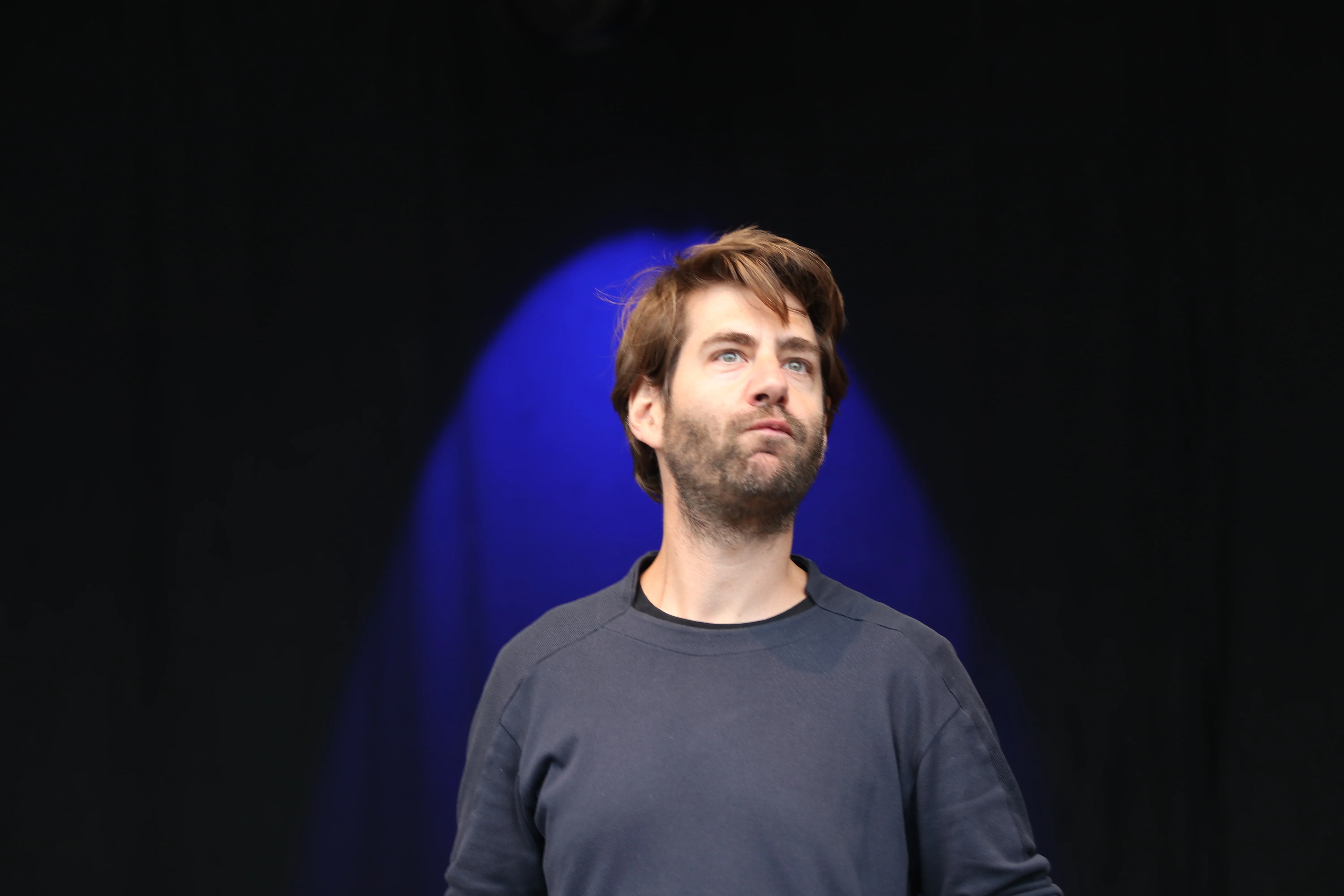
Claus von Wagner: Project Equilibrium
Bayreuth laughs intelligently: Claus von Wagner brings satire, timing, and political punchlines to the stage with Project Equilibrium. 28.10.2026, from 33.60 €. #Comedy

Robert Alan - Pervekt
Bayreuth gets an evening full of stand-up, music, and wonderfully quirky punchlines. Robert Alan plays Pervekt in an intimate club atmosphere. #Comedy
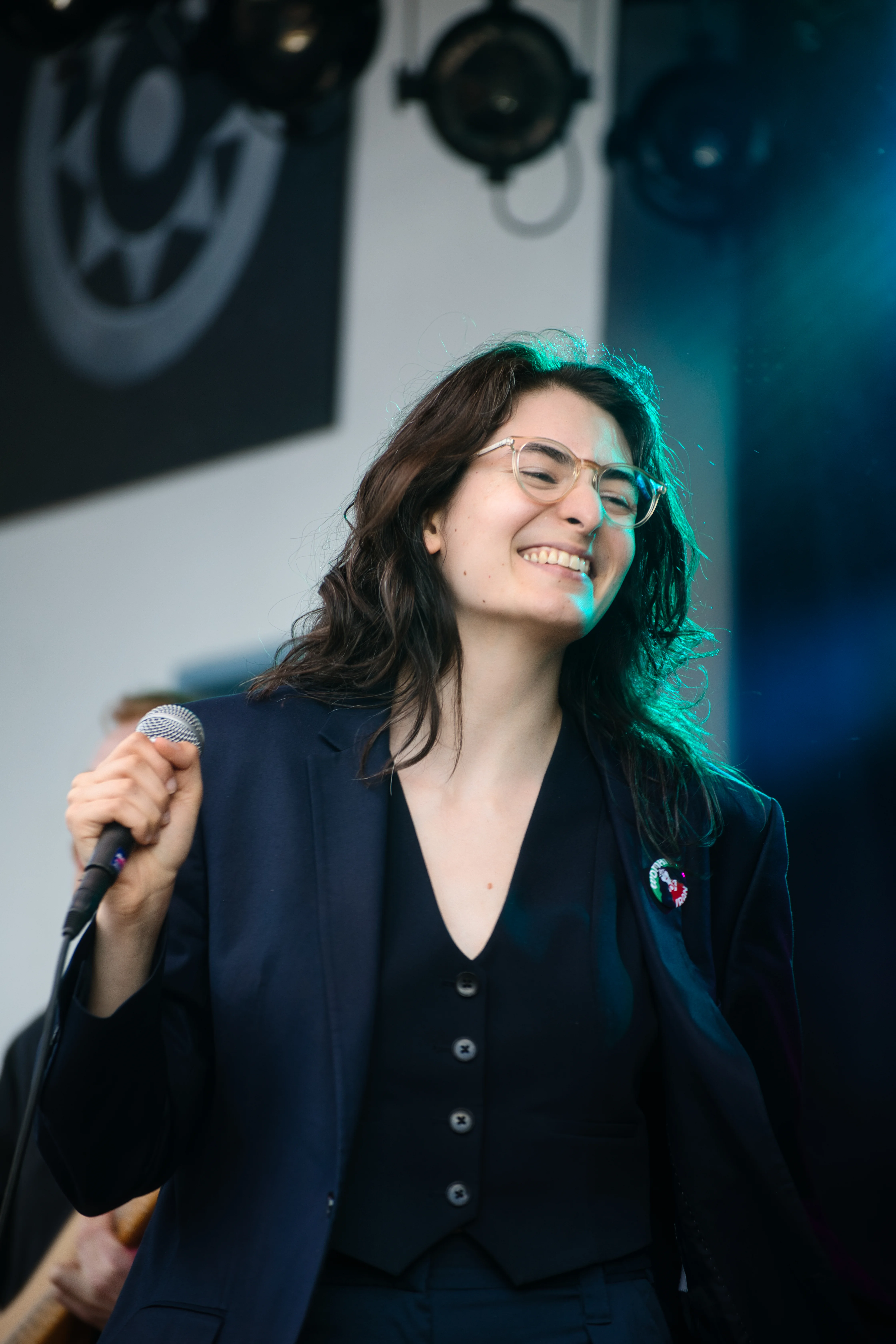
Mina Richman & Band - Different Flavours Of Being Happy - Tour
Bayreuth hosts an evening full of soul, folk, and conviction: Mina Richman & Band perform at DAS ZENTRUM. Be there live on 30.10.2026! #LiveMusic #Bayreuth
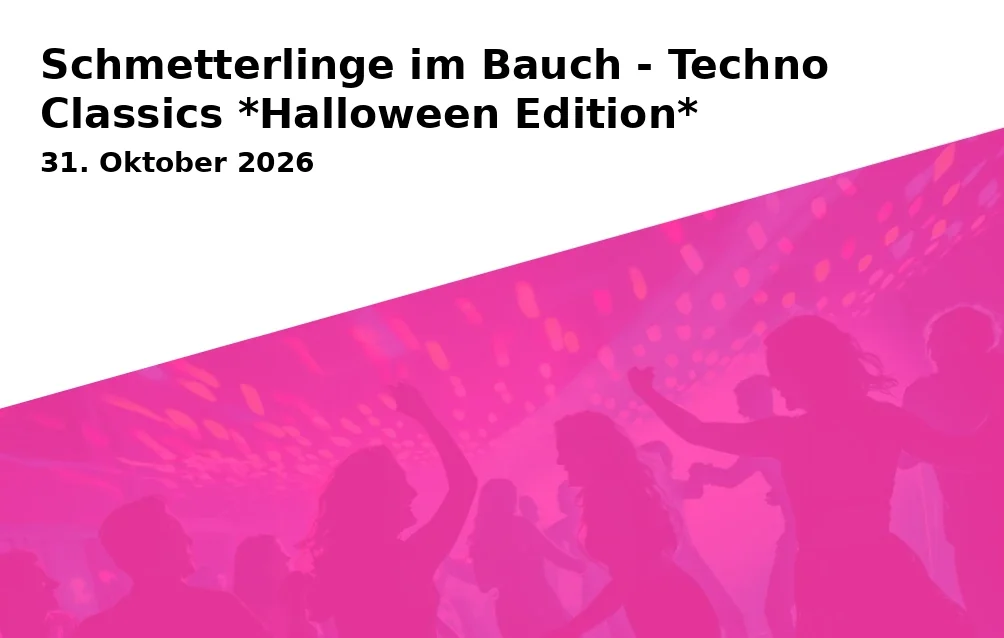
Butterflies in the Stomach - Techno Classics *Halloween Edition*
Finally again “Techno Classics” and finally again “Halloween Special”.
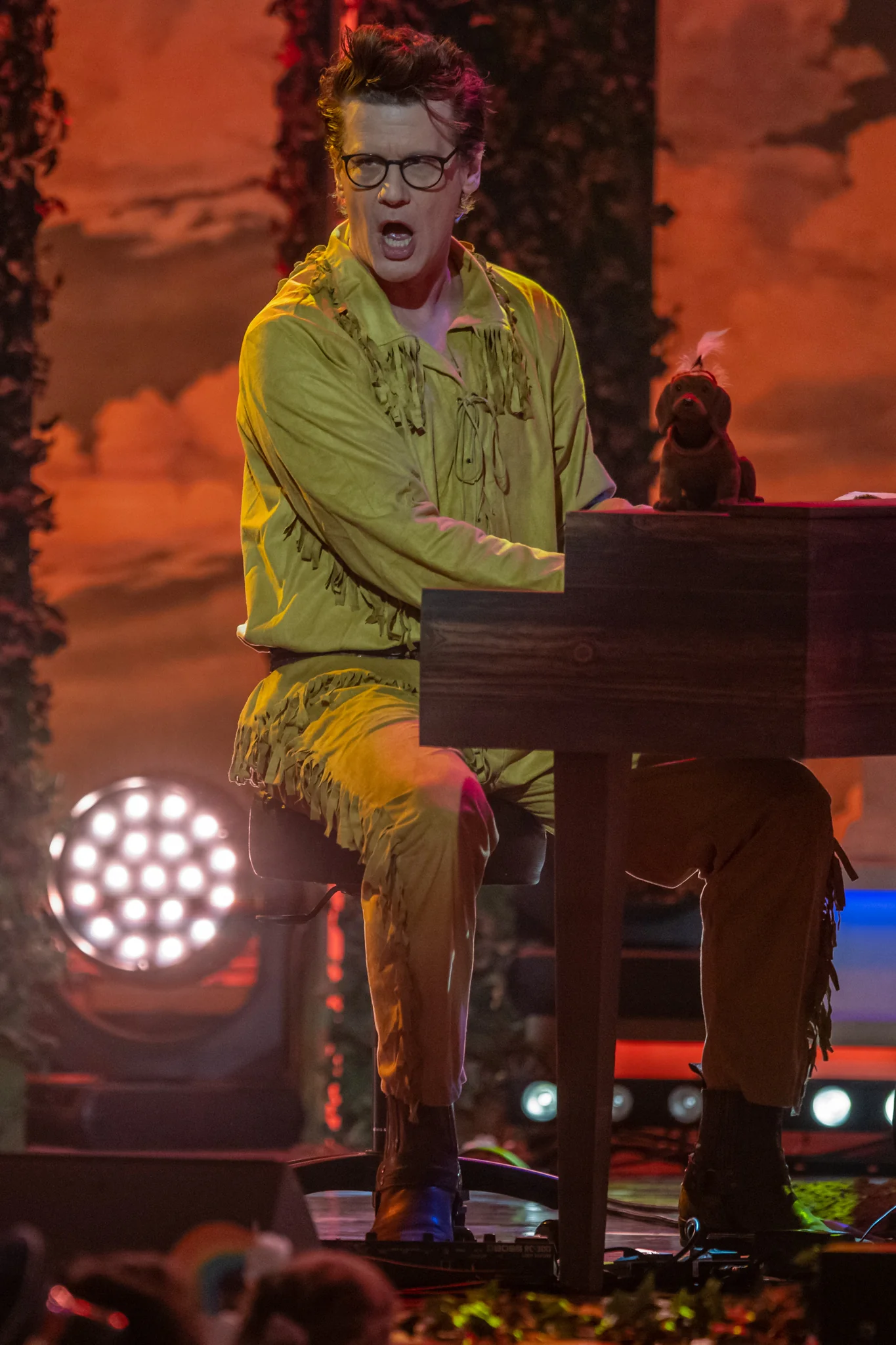
Matthias Walz - The Bad Man at the Piano
Bayreuth gets piano cabaret with edge: Matthias Walz plays The Bad Man at the Piano in the Europasaal of DAS ZENTRUM. 31.10.2026, 33.70 €. #Comedy

To Athena - "Have I Lost My Magic?"-Tour
An evening full of warmth and goosebumps in Bayreuth: To Athena plays intimate songs, harp, and strings on 06.11.2026. #LiveMusic #Bayreuth
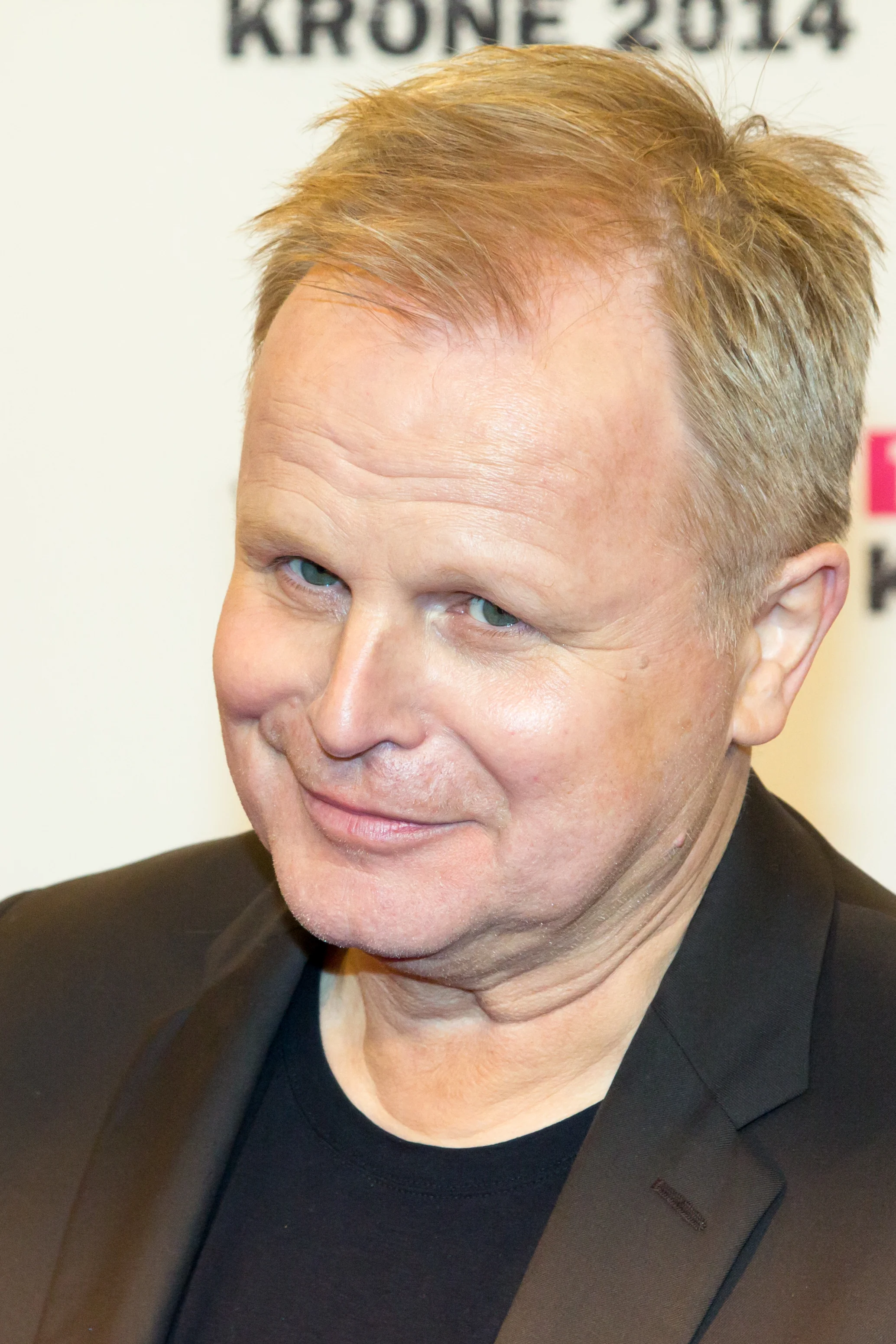
Bochum - A Tribute To Herbert Grönemeyer
Grönemeyer's great anthems live in Bayreuth: BOCHUM brings feeling, energy, and real concert moments to DAS ZENTRUM. 07.11.2026, 29,85 Euro. Secure your tickets now. #Bayreuth

Voodoo Jürgens and the Ansa Panier
Viennese dialect, dark humor, and great live energy in Bayreuth: Voodoo Jürgens performs Gschnas on 12.11.2026 at DAS ZENTRUM. #LiveMusic
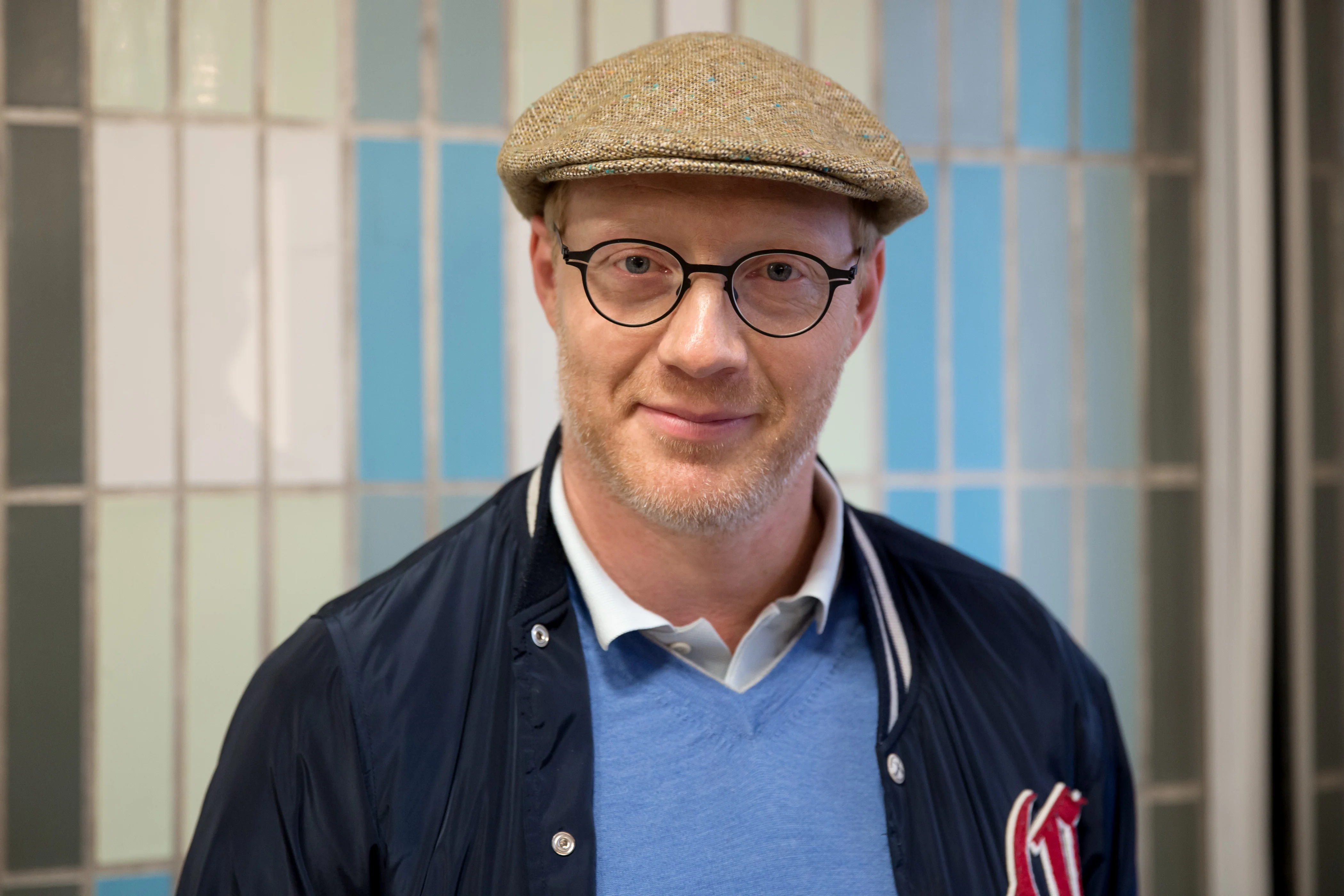
Rubey and Schwarz – The Restaurant
Bayreuth receives a cabaret evening with humor, playing joy, and a quirky restaurant story. Rubey and Schwarz live on 13.11.2026. #Comedy
Frequently Asked Questions
Reviews
AlechenuTV.
18. April 2026
Amazing
Benjamin Pandjaitan
9. March 2024
nice place, really, ngl.
David Seezen
14. March 2024
What cool venue!
Yara Mekawei
23. September 2017
I played in that one of my performances :)
Golandsky Event- und Lagerverkauf
19. June 2024
Top