
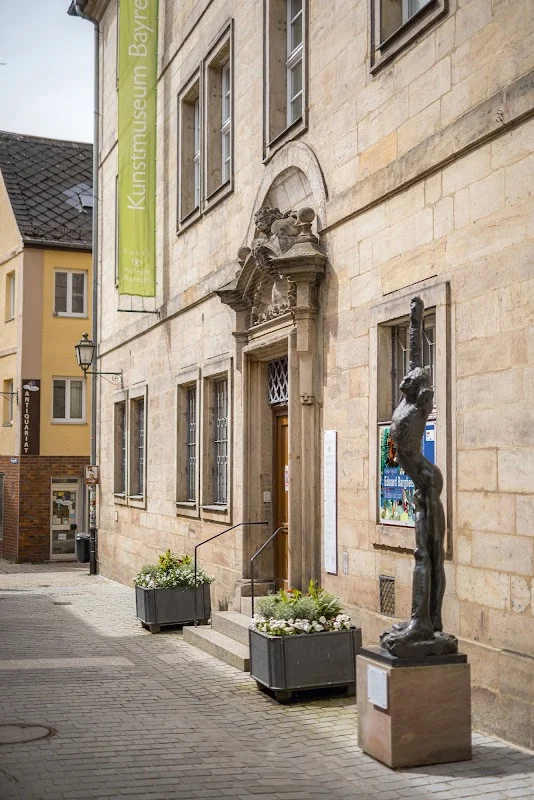
Bayreuth
Maximilianstraße 33, 95444 Bayreuth, Deutschland
Kunstmuseum Bayreuth | Exhibition & Opening Hours
The Kunstmuseum Bayreuth is one of the cultural places that gains its special charm from the interplay of history, architecture, and the present. Located in the Old Baroque Town Hall at Maximilianstraße 33, it is a museum that presents modern and contemporary art in historical spaces. Upon entering the building, visitors encounter not only changing exhibitions but also a piece of Bayreuth's city history. The combination of baroque building substance and contemporary artistic positions shapes the character of the house.
Content-wise, a focus is placed on the art of the 20th century and works on paper. The collection and the changing presentations guide through different artistic movements such as Expressionism, Constructivism, Surrealism, New Objectivity, Post-War Figuration, Abstract Expressionism, Concrete Art, Conceptual Art, Fluxus, and Happening. The exhibition offerings are complemented by guided tours, lectures, creative workshops, inclusive formats, and offerings for children.
The central location in the Bayreuth city center makes the Kunstmuseum a well-accessible destination for a cultural walk. A visit can be combined with other sights, shops, cafés, and historical places around Maximilianstraße. The manageable admission prices, regular events, and diverse educational programs make the museum attractive for art enthusiasts as well as families, school groups, tourists, and curious first-time visitors.
Current Exhibition at the Kunstmuseum Bayreuth
One of the most important inquiries regarding the Kunstmuseum Bayreuth concerns the current exhibition. This is understandable, as the museum works with changing presentations and does not always show the same works. Therefore, the visit is worthwhile even for those who have been to the Old Baroque Town Hall before. In 2026, the exhibition EyesWitness with Pencil and Camera – Max Beckmann and Armand Besch will be in focus, bringing together two different artistic media: the graphics of Max Beckmann and the photography of Armand Besch.
The exhibition addresses the question of how artists observe, capture, and comment on their time. Max Beckmann is considered one of the significant artists of modernity. His graphics depict people, everyday situations, social tensions, and urban scenes with an expressive, often condensed visual language. Armand Besch worked as a photographer with various photographic techniques and processes. His images range from portraits and landscapes to travel and time documents. Both positions are not simply placed side by side but brought into dialogue.
The theme of eyewitnessing gives the exhibition a special relevance. Drawing, printmaking, and photography appear very different at first glance. At the same time, all these media can attempt to make reality visible. An artist observes a city, a landscape, a face, or a social situation and translates what they see into their own visual language. The exhibition invites visitors to compare these translations. What is documented directly? What is changed? What role do perspective, selection, technique, and personal attitude play?
Among the works shown by Max Beckmann are sheets from portfolios such as Faces, Berlin Journey, Funfair, and Day and Dream. The photographic works of Armand Besch include images showing different places, landscapes, buildings, and people. This creates a broad panorama of motifs and techniques. Visitors can observe how etching, lithography, silver gelatin prints, gum bichromate, and other technical methods influence the impact of an image.
For a museum visit, it is advisable to check the current exhibition dates and accompanying programs in advance. Guided tours, discussions, lectures, and workshops open additional access to the works. Particularly interesting are events where individual works are examined more closely or historical contexts are explained. Those interested in Kunstmuseum Bayreuth photos can find image motifs, insights, and information about ongoing presentations on the official museum channels and in the exhibition materials. Since exhibitions are time-limited, specific titles and durations should always be checked before arrival.
Opening Hours and Admission Prices at the Kunstmuseum Bayreuth
The Kunstmuseum Bayreuth in the Old Baroque Town Hall is regularly open from Tuesday to Sunday from 10 AM to 5 PM. During the months of July and August, particularly during the Bayreuth Festival, the museum extends its opening days and is additionally accessible on Mondays from 10 AM to 5 PM. This regulation is important for visitors planning their stay at the beginning of the week or during the particularly busy summer months in Bayreuth.
On public holidays, the opening hours are generally from 10 AM to 5 PM. Exceptions are Christmas Eve and the first Christmas holiday, when the museum remains closed. On December 31, a visit is possible from 10 AM to 2 PM, and on January 1 from 1 PM to 5 PM. Since special regulations, events, or last-minute changes can never be completely ruled out, it is advisable to check the official website or make a phone inquiry before a planned visit.
The admission to the Kunstmuseum is 2 euros, reduced 1 euro. This makes the museum one of the low-threshold cultural offerings in the city. The admission price allows for an uncomplicated visit even if one only wants to take a quick look at an exhibition. At the same time, the museum can be a worthwhile destination for a longer stay, as the historical rooms, changing exhibitions, and educational offerings connect different levels of experience.
For individual courses and special events, additional fees may apply. For example, a children's art course by the Buntspechte has been announced with a fee of 3 euros. A Sunday offer for adults may include its own participation fee as well as material costs. On International Museum Day or other special action days, admission may be free. Such dates often combine public tours, open museum workshops, and creative offerings.
Tickets for the Kunstmuseum Bayreuth are usually not seat-bound event tickets, unlike large concert or theater events. For regular museum visits, the admission at the museum cash desk is sufficient. However, for workshops, children's courses, guided tours, or birthday offers, registration is usually required. Interested parties should therefore distinguish whether they only want to visit an exhibition or participate in a fixed program. For the cash desk and museum education, the museum can be reached by phone at 0921/76453-10.
Exhibitions, Collection, and Special Rooms
The Kunstmuseum Bayreuth is located in the former Baroque Town Hall of the city. The history of the building dates back a long way. The front building was newly constructed in 1679 after earlier buildings at this site were affected by destruction and fires. In 1721, the hospital foundation acquired the building for use as a town hall. Between 1722 and 1727, it was remodeled and partially rebuilt by Johann David Räntz. For many decades, the house served various municipal and state functions.
From 1721 to 1917, the building was the town hall of Bayreuth. Later, it housed court areas, classrooms, post office rooms, and parts of the city library. After the destruction of the New Town Hall in World War II, the Old Town Hall was used as a town hall again from 1945 to 1972. Subsequently, it served as an office building for the Bavarian State Police. This varied use makes the architecture an important part of the museum visit.
In 1995, the city of Bayreuth acquired the building from the hospital foundation. From 1996 to 1999, a general renovation and reconstruction took place. On December 3, 1999, the house was inaugurated as a cultural center with a museum of art and gastronomy. Since then, the location has combined historical city architecture with continuous museum work. The opening of the Kunstmuseum was an important step for the presentation of modern art in Bayreuth.
The focus of the collection is primarily on the art of the 20th century and works on paper. This concentration allows for a differentiated view of drawing, printmaking, collage, photography, and related forms. The art historical areas that play a role in the collection and exhibitions include Expressionism, Constructivism, Surrealism, New Objectivity, Post-War Art, Abstraction, Concrete Art, Conceptual Art, Fluxus, and Happening.
The works on paper often require a different attention than large-format paintings or sculptures. Lines, surfaces, print traces, paper structure, and technical processes become immediately visible. A small sheet can possess a high visual density and reveal many details. Especially in the historical rooms of the Old Baroque Town Hall, this creates an exciting contrast: the architecture refers to the past, while the art makes modern perspectives, experiments, and social questions visible.
The Kunstmuseum also includes an exhibition hall in the New Town Hall at Luitpoldplatz 13. There, further presentations and projects can take place. The opening hours of this exhibition hall differ from those in the Old Baroque Town Hall. Therefore, it is important for visitors to check the respective venue of an exhibition title. The Kunstmuseum Bayreuth is not just a single exhibition space but a cultural network with different rooms and formats within the city.
Events, Tours, and Museum Education
The event program of the Kunstmuseum Bayreuth is aimed at various age groups and interests. Public tours convey background information on current exhibitions, individual artists, or selected works. Lectures and readings can incorporate art historical, social, or religious perspectives. In open museum workshops, not only viewing but also practical work is the focus.
An example of adult education is the format Sunday at the Museum – Art is Fun. After a tour of a current exhibition, different painting techniques are tried out. Acrylic paints, oil pastels, and pastel crayons can be used on paper or canvas. The focus is on experimenting, getting to know materials and techniques, and freely combining colors and shapes. This offering is aimed at those interested in experiencing art practically in a relaxed atmosphere.
Inclusive offerings are also part of the museum's profile. Tours in easy language or formats for people with different needs create additional access. The museum does not work exclusively with an academic image description but can connect perception, conversation, and practical experience. This is particularly helpful with modern art, as many works cannot be reduced to a single explanation.
For children, there are the children's art courses The Buntspechte. The offering is aimed at children aged five to eight years. In the courses, painting, drawing, and printing take place. The themes can range from everyday life to the circus. Children are given space to develop their own ideas and learn different forms of expression. The Buntspechte are led by art educator Ingrid Seidel. The courses show that an art museum does not have to be a quiet place where children merely walk carefully from picture to picture. It can also be a place of experimentation, questioning, and shaping.
Another family offering is the children's birthday party at the museum. The program includes a short children's tour through the current exhibition or through the Old Town Hall, imaginative design with painting, printing, or paper, as well as games under expert guidance in the museum workshop. Drinks such as juice and mineral water are provided. Cake can be brought, and dishes are available. The offering can be booked for up to ten children; each additional child will incur an extra charge. Early booking, at least two weeks before the desired date, is recommended.
The events complement the exhibitions and make the museum visit an active experience. Those interested in dates should regularly check the event calendar, as children's courses, tours, lectures, and special actions are tied to specific dates. For many offerings, registration is required. This is particularly true for courses with limited places, material needs, or educational supervision.
Kunstmuseum Bayreuth for Children, Families, and School Groups
The question of whether the Kunstmuseum Bayreuth is suitable for children can be answered clearly with yes. The offerings of museum education are designed to make art accessible not only through long explanations but also through movement, personal design, and playful tasks. The Buntspechte particularly address younger children aged five to eight years. They can try out different techniques and develop their own image ideas.
For families, a combination of a short exhibition exploration and subsequent creative work is appealing. Children often respond particularly well to concrete questions: Which colors stand out to you? How does this picture feel? What story could be behind a scene? What would you draw if you had to depict this situation? Such questions can lead to an intense exchange even without art historical prior knowledge.
The historical rooms of the Old Baroque Town Hall provide additional points of connection. A museum visit can therefore connect two themes: the history of an old city building and modern art in its spaces. Children can observe how a town hall, a court, or a historical administrative building differs from a museum. This makes the building itself an exhibit and not just a neutral background.
The birthday offering is particularly suitable for a small group that wants to experience and create something together. The process combines a child-friendly tour, a practical creative phase, and games. This creates a shift between listening, viewing, making, and joint activity. Parents do not have to organize a complete program themselves and can bring cake. Booking should be done in good time, as the educational offerings need to be prepared and supervised.
For school classes and groups, individual coordination may be useful. The museum has experience with tours and educational formats and can set different focuses depending on the exhibition. When making an inquiry, group size, age, desired date, and thematic interests should be mentioned. Especially for time-limited exhibitions, it can be helpful to plan the program early.
Even for children who initially show little interest in art, a visit can work if the program is actively designed. Printing techniques, unusual materials, photographs, portraits, or depictions of everyday situations offer concrete conversation starters. The goal does not have to be to understand all art historical terms immediately. More important is that children discover that images ask questions, evoke feelings, and allow for different perspectives.
Access, City Center Location, and Parking
The Kunstmuseum Bayreuth is located in the Old Baroque Town Hall at Maximilianstraße 33, 95444 Bayreuth. The address is centrally located in the city center and is therefore well integrated into a city stroll. Those exploring Bayreuth on foot can reach the museum via the inner-city paths around Maximilianstraße. Nearby are historical buildings, shopping areas, dining options, and other cultural destinations.
For those arriving by car, visitors should note that the museum is located in a central city location. The city of Bayreuth points out a large number of parking spaces close to the city center. Depending on the time of day, day of the week, and event situation, parking options may be differently utilized. Therefore, it is advisable to check the current information on parking in the city center before arrival and possibly allow some time for the journey from the parking lot to the museum.
Those arriving by public transport can take advantage of the central location and walk the last section on foot. For exact connections, stops, and departure times, current timetable information should be consulted. When arriving with a travel bus or larger groups, separate planning is advisable, as Maximilianstraße cannot be used like a regular parking lot with a large vehicle.
The Old Baroque Town Hall has been equipped with an elevator and wheelchair-friendly ramps. These structural measures facilitate access to the exhibition areas. People with mobility restrictions or visitors with strollers can inquire about the specific access situations at the museum before their visit. For a relaxed planning experience, it is helpful to communicate special requirements when registering for a guided tour or event.
The central location is also practical for combining with other activities. A morning visit can be combined with lunch in the city center. Those who only want to see an exhibition can plan the museum as a short cultural stop. For families, a longer time span is recommended, especially when attending a workshop or children's program. During the Bayreuth Festival, the city center may be busier; therefore, early planning of parking, arrival, and opening hours is particularly advisable.
Management, Contact, and Practical Visit Tips
As the acting museum director, Alexandra Kuhnke M.A. is listed. For general inquiries, cash desk, and museum education, the Kunstmuseum can be reached by phone at 0921/76453-10. The museum's address is Maximilianstraße 33, 95444 Bayreuth. The museum is located in the Old Baroque Town Hall; the exhibition hall in the New Town Hall, on the other hand, is located at Luitpoldplatz 13. These two addresses should not be confused when visiting an exhibition or event.
Before the visit, it is advisable to do a quick check of the exhibition title, exhibition location, opening hours, and admission. Especially for special exhibitions and events, dates may vary. Those wishing to book a guided tour, a children's art course, a workshop, or a children's birthday party should not delay registration until the last moment. For free museum events, it can still be sensible to arrive early, as places for tours or practical offerings may be limited.
Photos from the Kunstmuseum Bayreuth can provide a first impression of the rooms and exhibitions. However, they do not replace the direct encounter with the originals. Especially with works on paper, size, material, print trace, line work, and surface effect are perceived differently on-site than on a screen. Moreover, the impact of a work changes due to the historical space, the proximity to other works, and the sightlines within the exhibition.
The reviews of the Kunstmuseum are positive among many visitors, which is also reflected in the given rating of 4.5 stars from 264 reviews. Such ratings can provide orientation but do not replace personal assessment. Some guests are particularly interested in the architecture of the Old Town Hall, others in the collection, current exhibition, or educational offerings. The strength of the museum lies precisely in this combination.
Those engaging with modern art for the first time do not need to bring any special prior knowledge. A good visit begins with open questions and sufficient time. It is worthwhile not to want to explain every work immediately but rather to perceive forms, colors, materials, and moods first. During a guided tour, historical and art technical contexts can then be added. Families can design their own tour, while art enthusiasts can view individual works for longer or participate in a supporting program.
The Kunstmuseum Bayreuth is therefore more than just an address for a single exhibition. It is a place where city history, modern art, photography, graphics, museum education, and cultural encounters come together. The low admission prices facilitate access, the central location makes arrival uncomplicated, and the changing programs provide new occasions. Those wishing to discover Bayreuth culturally will find a concentrated, versatile, and historically shaped museum location in the Old Baroque Town Hall.
Sources:
- Kunstmuseum Bayreuth – Official Website
- Kunstmuseum Bayreuth – Contact, Admission, and Opening Hours
- Kunstmuseum Bayreuth – History of the Old Baroque Town Hall
- Kunstmuseum Bayreuth – General Information and Collection Focuses
- Kunstmuseum Bayreuth – Accompanying Program EyesWitness with Pencil and Camera
- Kunstmuseum Bayreuth – Children's Art Courses The Buntspechte
- Kunstmuseum Bayreuth – Children's Birthday Party at the Museum
- Bayreuth.de – Parking in the City Center
Mehr anzeigenWeniger anzeigen
Kunstmuseum Bayreuth | Exhibition & Opening Hours
The Kunstmuseum Bayreuth is one of the cultural places that gains its special charm from the interplay of history, architecture, and the present. Located in the Old Baroque Town Hall at Maximilianstraße 33, it is a museum that presents modern and contemporary art in historical spaces. Upon entering the building, visitors encounter not only changing exhibitions but also a piece of Bayreuth's city history. The combination of baroque building substance and contemporary artistic positions shapes the character of the house.
Content-wise, a focus is placed on the art of the 20th century and works on paper. The collection and the changing presentations guide through different artistic movements such as Expressionism, Constructivism, Surrealism, New Objectivity, Post-War Figuration, Abstract Expressionism, Concrete Art, Conceptual Art, Fluxus, and Happening. The exhibition offerings are complemented by guided tours, lectures, creative workshops, inclusive formats, and offerings for children.
The central location in the Bayreuth city center makes the Kunstmuseum a well-accessible destination for a cultural walk. A visit can be combined with other sights, shops, cafés, and historical places around Maximilianstraße. The manageable admission prices, regular events, and diverse educational programs make the museum attractive for art enthusiasts as well as families, school groups, tourists, and curious first-time visitors.
Current Exhibition at the Kunstmuseum Bayreuth
One of the most important inquiries regarding the Kunstmuseum Bayreuth concerns the current exhibition. This is understandable, as the museum works with changing presentations and does not always show the same works. Therefore, the visit is worthwhile even for those who have been to the Old Baroque Town Hall before. In 2026, the exhibition EyesWitness with Pencil and Camera – Max Beckmann and Armand Besch will be in focus, bringing together two different artistic media: the graphics of Max Beckmann and the photography of Armand Besch.
The exhibition addresses the question of how artists observe, capture, and comment on their time. Max Beckmann is considered one of the significant artists of modernity. His graphics depict people, everyday situations, social tensions, and urban scenes with an expressive, often condensed visual language. Armand Besch worked as a photographer with various photographic techniques and processes. His images range from portraits and landscapes to travel and time documents. Both positions are not simply placed side by side but brought into dialogue.
The theme of eyewitnessing gives the exhibition a special relevance. Drawing, printmaking, and photography appear very different at first glance. At the same time, all these media can attempt to make reality visible. An artist observes a city, a landscape, a face, or a social situation and translates what they see into their own visual language. The exhibition invites visitors to compare these translations. What is documented directly? What is changed? What role do perspective, selection, technique, and personal attitude play?
Among the works shown by Max Beckmann are sheets from portfolios such as Faces, Berlin Journey, Funfair, and Day and Dream. The photographic works of Armand Besch include images showing different places, landscapes, buildings, and people. This creates a broad panorama of motifs and techniques. Visitors can observe how etching, lithography, silver gelatin prints, gum bichromate, and other technical methods influence the impact of an image.
For a museum visit, it is advisable to check the current exhibition dates and accompanying programs in advance. Guided tours, discussions, lectures, and workshops open additional access to the works. Particularly interesting are events where individual works are examined more closely or historical contexts are explained. Those interested in Kunstmuseum Bayreuth photos can find image motifs, insights, and information about ongoing presentations on the official museum channels and in the exhibition materials. Since exhibitions are time-limited, specific titles and durations should always be checked before arrival.
Opening Hours and Admission Prices at the Kunstmuseum Bayreuth
The Kunstmuseum Bayreuth in the Old Baroque Town Hall is regularly open from Tuesday to Sunday from 10 AM to 5 PM. During the months of July and August, particularly during the Bayreuth Festival, the museum extends its opening days and is additionally accessible on Mondays from 10 AM to 5 PM. This regulation is important for visitors planning their stay at the beginning of the week or during the particularly busy summer months in Bayreuth.
On public holidays, the opening hours are generally from 10 AM to 5 PM. Exceptions are Christmas Eve and the first Christmas holiday, when the museum remains closed. On December 31, a visit is possible from 10 AM to 2 PM, and on January 1 from 1 PM to 5 PM. Since special regulations, events, or last-minute changes can never be completely ruled out, it is advisable to check the official website or make a phone inquiry before a planned visit.
The admission to the Kunstmuseum is 2 euros, reduced 1 euro. This makes the museum one of the low-threshold cultural offerings in the city. The admission price allows for an uncomplicated visit even if one only wants to take a quick look at an exhibition. At the same time, the museum can be a worthwhile destination for a longer stay, as the historical rooms, changing exhibitions, and educational offerings connect different levels of experience.
For individual courses and special events, additional fees may apply. For example, a children's art course by the Buntspechte has been announced with a fee of 3 euros. A Sunday offer for adults may include its own participation fee as well as material costs. On International Museum Day or other special action days, admission may be free. Such dates often combine public tours, open museum workshops, and creative offerings.
Tickets for the Kunstmuseum Bayreuth are usually not seat-bound event tickets, unlike large concert or theater events. For regular museum visits, the admission at the museum cash desk is sufficient. However, for workshops, children's courses, guided tours, or birthday offers, registration is usually required. Interested parties should therefore distinguish whether they only want to visit an exhibition or participate in a fixed program. For the cash desk and museum education, the museum can be reached by phone at 0921/76453-10.
Exhibitions, Collection, and Special Rooms
The Kunstmuseum Bayreuth is located in the former Baroque Town Hall of the city. The history of the building dates back a long way. The front building was newly constructed in 1679 after earlier buildings at this site were affected by destruction and fires. In 1721, the hospital foundation acquired the building for use as a town hall. Between 1722 and 1727, it was remodeled and partially rebuilt by Johann David Räntz. For many decades, the house served various municipal and state functions.
From 1721 to 1917, the building was the town hall of Bayreuth. Later, it housed court areas, classrooms, post office rooms, and parts of the city library. After the destruction of the New Town Hall in World War II, the Old Town Hall was used as a town hall again from 1945 to 1972. Subsequently, it served as an office building for the Bavarian State Police. This varied use makes the architecture an important part of the museum visit.
In 1995, the city of Bayreuth acquired the building from the hospital foundation. From 1996 to 1999, a general renovation and reconstruction took place. On December 3, 1999, the house was inaugurated as a cultural center with a museum of art and gastronomy. Since then, the location has combined historical city architecture with continuous museum work. The opening of the Kunstmuseum was an important step for the presentation of modern art in Bayreuth.
The focus of the collection is primarily on the art of the 20th century and works on paper. This concentration allows for a differentiated view of drawing, printmaking, collage, photography, and related forms. The art historical areas that play a role in the collection and exhibitions include Expressionism, Constructivism, Surrealism, New Objectivity, Post-War Art, Abstraction, Concrete Art, Conceptual Art, Fluxus, and Happening.
The works on paper often require a different attention than large-format paintings or sculptures. Lines, surfaces, print traces, paper structure, and technical processes become immediately visible. A small sheet can possess a high visual density and reveal many details. Especially in the historical rooms of the Old Baroque Town Hall, this creates an exciting contrast: the architecture refers to the past, while the art makes modern perspectives, experiments, and social questions visible.
The Kunstmuseum also includes an exhibition hall in the New Town Hall at Luitpoldplatz 13. There, further presentations and projects can take place. The opening hours of this exhibition hall differ from those in the Old Baroque Town Hall. Therefore, it is important for visitors to check the respective venue of an exhibition title. The Kunstmuseum Bayreuth is not just a single exhibition space but a cultural network with different rooms and formats within the city.
Events, Tours, and Museum Education
The event program of the Kunstmuseum Bayreuth is aimed at various age groups and interests. Public tours convey background information on current exhibitions, individual artists, or selected works. Lectures and readings can incorporate art historical, social, or religious perspectives. In open museum workshops, not only viewing but also practical work is the focus.
An example of adult education is the format Sunday at the Museum – Art is Fun. After a tour of a current exhibition, different painting techniques are tried out. Acrylic paints, oil pastels, and pastel crayons can be used on paper or canvas. The focus is on experimenting, getting to know materials and techniques, and freely combining colors and shapes. This offering is aimed at those interested in experiencing art practically in a relaxed atmosphere.
Inclusive offerings are also part of the museum's profile. Tours in easy language or formats for people with different needs create additional access. The museum does not work exclusively with an academic image description but can connect perception, conversation, and practical experience. This is particularly helpful with modern art, as many works cannot be reduced to a single explanation.
For children, there are the children's art courses The Buntspechte. The offering is aimed at children aged five to eight years. In the courses, painting, drawing, and printing take place. The themes can range from everyday life to the circus. Children are given space to develop their own ideas and learn different forms of expression. The Buntspechte are led by art educator Ingrid Seidel. The courses show that an art museum does not have to be a quiet place where children merely walk carefully from picture to picture. It can also be a place of experimentation, questioning, and shaping.
Another family offering is the children's birthday party at the museum. The program includes a short children's tour through the current exhibition or through the Old Town Hall, imaginative design with painting, printing, or paper, as well as games under expert guidance in the museum workshop. Drinks such as juice and mineral water are provided. Cake can be brought, and dishes are available. The offering can be booked for up to ten children; each additional child will incur an extra charge. Early booking, at least two weeks before the desired date, is recommended.
The events complement the exhibitions and make the museum visit an active experience. Those interested in dates should regularly check the event calendar, as children's courses, tours, lectures, and special actions are tied to specific dates. For many offerings, registration is required. This is particularly true for courses with limited places, material needs, or educational supervision.
Kunstmuseum Bayreuth for Children, Families, and School Groups
The question of whether the Kunstmuseum Bayreuth is suitable for children can be answered clearly with yes. The offerings of museum education are designed to make art accessible not only through long explanations but also through movement, personal design, and playful tasks. The Buntspechte particularly address younger children aged five to eight years. They can try out different techniques and develop their own image ideas.
For families, a combination of a short exhibition exploration and subsequent creative work is appealing. Children often respond particularly well to concrete questions: Which colors stand out to you? How does this picture feel? What story could be behind a scene? What would you draw if you had to depict this situation? Such questions can lead to an intense exchange even without art historical prior knowledge.
The historical rooms of the Old Baroque Town Hall provide additional points of connection. A museum visit can therefore connect two themes: the history of an old city building and modern art in its spaces. Children can observe how a town hall, a court, or a historical administrative building differs from a museum. This makes the building itself an exhibit and not just a neutral background.
The birthday offering is particularly suitable for a small group that wants to experience and create something together. The process combines a child-friendly tour, a practical creative phase, and games. This creates a shift between listening, viewing, making, and joint activity. Parents do not have to organize a complete program themselves and can bring cake. Booking should be done in good time, as the educational offerings need to be prepared and supervised.
For school classes and groups, individual coordination may be useful. The museum has experience with tours and educational formats and can set different focuses depending on the exhibition. When making an inquiry, group size, age, desired date, and thematic interests should be mentioned. Especially for time-limited exhibitions, it can be helpful to plan the program early.
Even for children who initially show little interest in art, a visit can work if the program is actively designed. Printing techniques, unusual materials, photographs, portraits, or depictions of everyday situations offer concrete conversation starters. The goal does not have to be to understand all art historical terms immediately. More important is that children discover that images ask questions, evoke feelings, and allow for different perspectives.
Access, City Center Location, and Parking
The Kunstmuseum Bayreuth is located in the Old Baroque Town Hall at Maximilianstraße 33, 95444 Bayreuth. The address is centrally located in the city center and is therefore well integrated into a city stroll. Those exploring Bayreuth on foot can reach the museum via the inner-city paths around Maximilianstraße. Nearby are historical buildings, shopping areas, dining options, and other cultural destinations.
For those arriving by car, visitors should note that the museum is located in a central city location. The city of Bayreuth points out a large number of parking spaces close to the city center. Depending on the time of day, day of the week, and event situation, parking options may be differently utilized. Therefore, it is advisable to check the current information on parking in the city center before arrival and possibly allow some time for the journey from the parking lot to the museum.
Those arriving by public transport can take advantage of the central location and walk the last section on foot. For exact connections, stops, and departure times, current timetable information should be consulted. When arriving with a travel bus or larger groups, separate planning is advisable, as Maximilianstraße cannot be used like a regular parking lot with a large vehicle.
The Old Baroque Town Hall has been equipped with an elevator and wheelchair-friendly ramps. These structural measures facilitate access to the exhibition areas. People with mobility restrictions or visitors with strollers can inquire about the specific access situations at the museum before their visit. For a relaxed planning experience, it is helpful to communicate special requirements when registering for a guided tour or event.
The central location is also practical for combining with other activities. A morning visit can be combined with lunch in the city center. Those who only want to see an exhibition can plan the museum as a short cultural stop. For families, a longer time span is recommended, especially when attending a workshop or children's program. During the Bayreuth Festival, the city center may be busier; therefore, early planning of parking, arrival, and opening hours is particularly advisable.
Management, Contact, and Practical Visit Tips
As the acting museum director, Alexandra Kuhnke M.A. is listed. For general inquiries, cash desk, and museum education, the Kunstmuseum can be reached by phone at 0921/76453-10. The museum's address is Maximilianstraße 33, 95444 Bayreuth. The museum is located in the Old Baroque Town Hall; the exhibition hall in the New Town Hall, on the other hand, is located at Luitpoldplatz 13. These two addresses should not be confused when visiting an exhibition or event.
Before the visit, it is advisable to do a quick check of the exhibition title, exhibition location, opening hours, and admission. Especially for special exhibitions and events, dates may vary. Those wishing to book a guided tour, a children's art course, a workshop, or a children's birthday party should not delay registration until the last moment. For free museum events, it can still be sensible to arrive early, as places for tours or practical offerings may be limited.
Photos from the Kunstmuseum Bayreuth can provide a first impression of the rooms and exhibitions. However, they do not replace the direct encounter with the originals. Especially with works on paper, size, material, print trace, line work, and surface effect are perceived differently on-site than on a screen. Moreover, the impact of a work changes due to the historical space, the proximity to other works, and the sightlines within the exhibition.
The reviews of the Kunstmuseum are positive among many visitors, which is also reflected in the given rating of 4.5 stars from 264 reviews. Such ratings can provide orientation but do not replace personal assessment. Some guests are particularly interested in the architecture of the Old Town Hall, others in the collection, current exhibition, or educational offerings. The strength of the museum lies precisely in this combination.
Those engaging with modern art for the first time do not need to bring any special prior knowledge. A good visit begins with open questions and sufficient time. It is worthwhile not to want to explain every work immediately but rather to perceive forms, colors, materials, and moods first. During a guided tour, historical and art technical contexts can then be added. Families can design their own tour, while art enthusiasts can view individual works for longer or participate in a supporting program.
The Kunstmuseum Bayreuth is therefore more than just an address for a single exhibition. It is a place where city history, modern art, photography, graphics, museum education, and cultural encounters come together. The low admission prices facilitate access, the central location makes arrival uncomplicated, and the changing programs provide new occasions. Those wishing to discover Bayreuth culturally will find a concentrated, versatile, and historically shaped museum location in the Old Baroque Town Hall.
Sources:
- Kunstmuseum Bayreuth – Official Website
- Kunstmuseum Bayreuth – Contact, Admission, and Opening Hours
- Kunstmuseum Bayreuth – History of the Old Baroque Town Hall
- Kunstmuseum Bayreuth – General Information and Collection Focuses
- Kunstmuseum Bayreuth – Accompanying Program EyesWitness with Pencil and Camera
- Kunstmuseum Bayreuth – Children's Art Courses The Buntspechte
- Kunstmuseum Bayreuth – Children's Birthday Party at the Museum
- Bayreuth.de – Parking in the City Center
Upcoming Events
Emergencies in Everyday Life - Recognizing, Acting, Helping
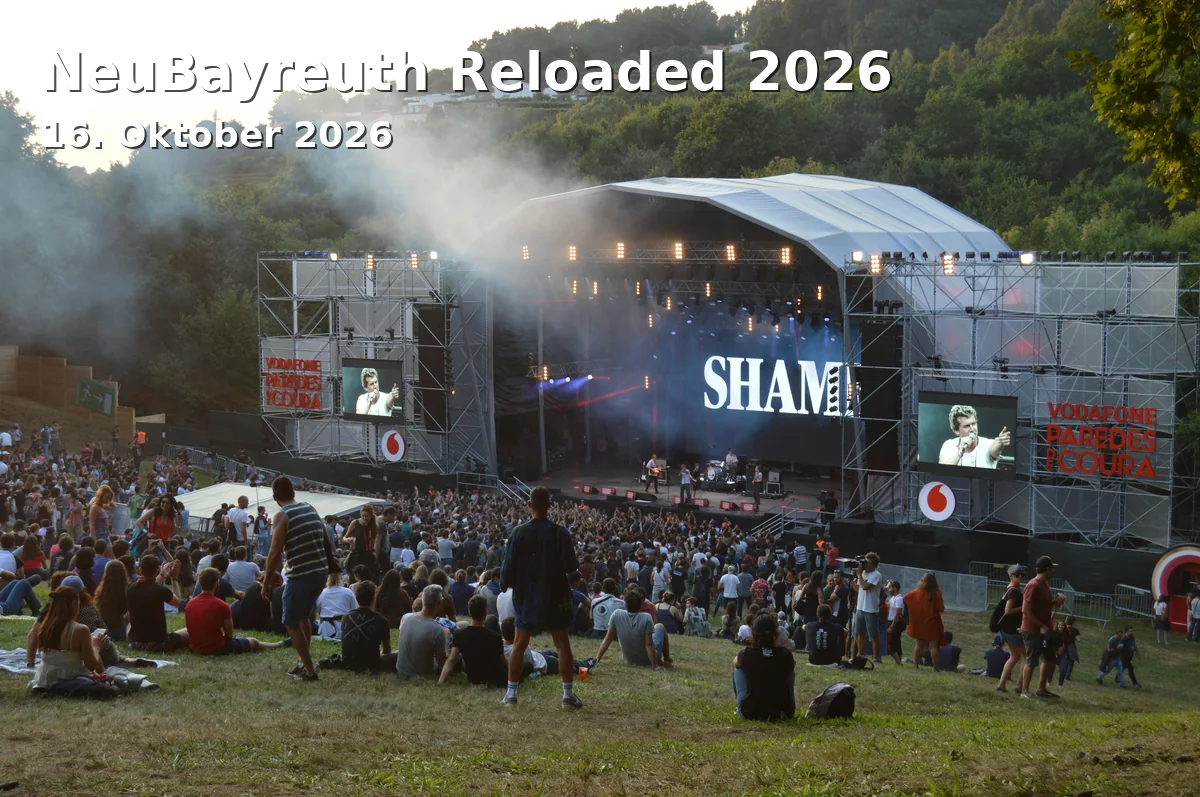
NeuBayreuth Reloaded 2026

Dr. Adrian Roßner: Dance of Death in the Fichtelgebirge. A Cultural History of the Plague
St. Martin - A Saint for the Franks
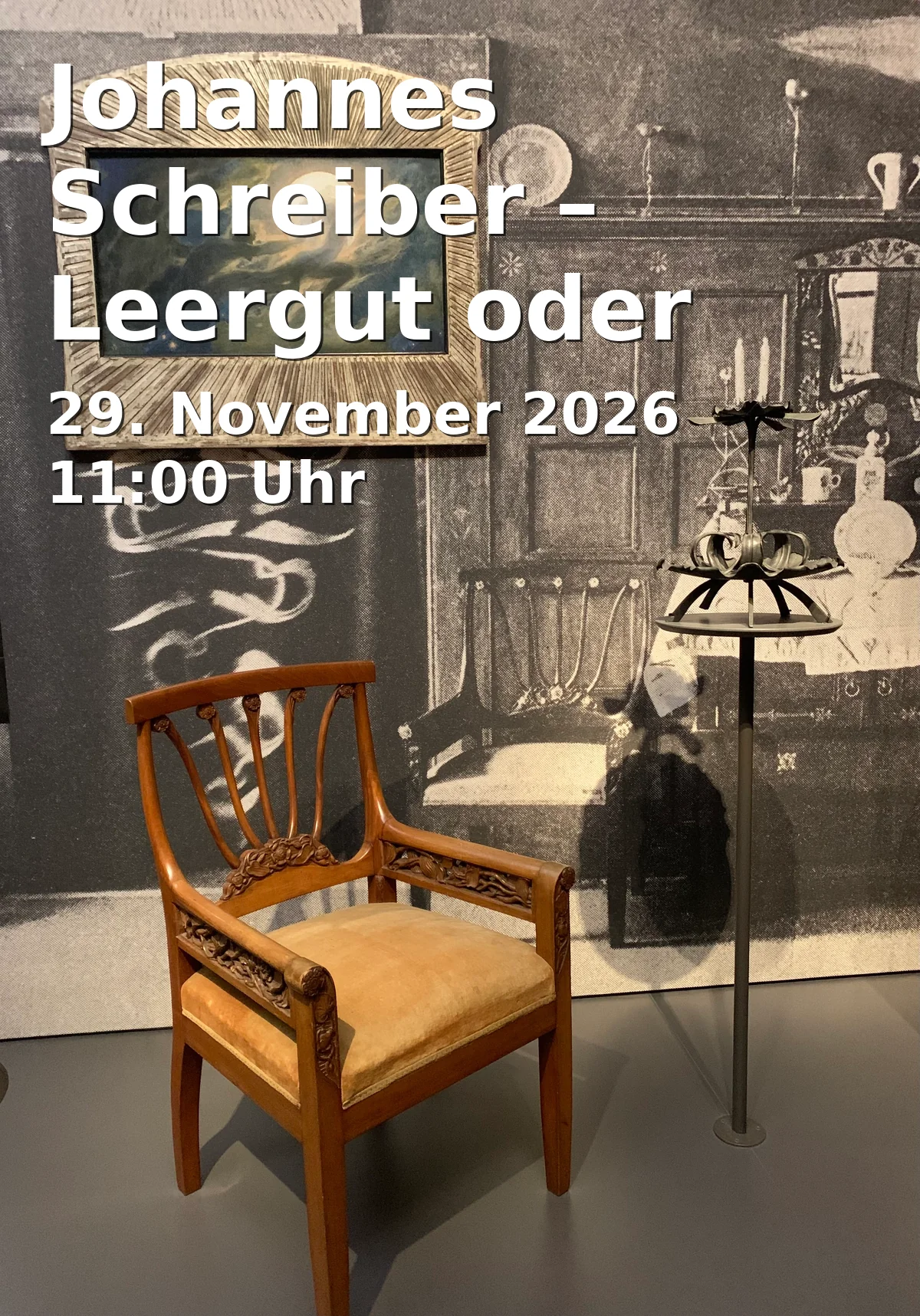
Johannes Schreiber – Empty Bottles or the Spirit of the Bottle
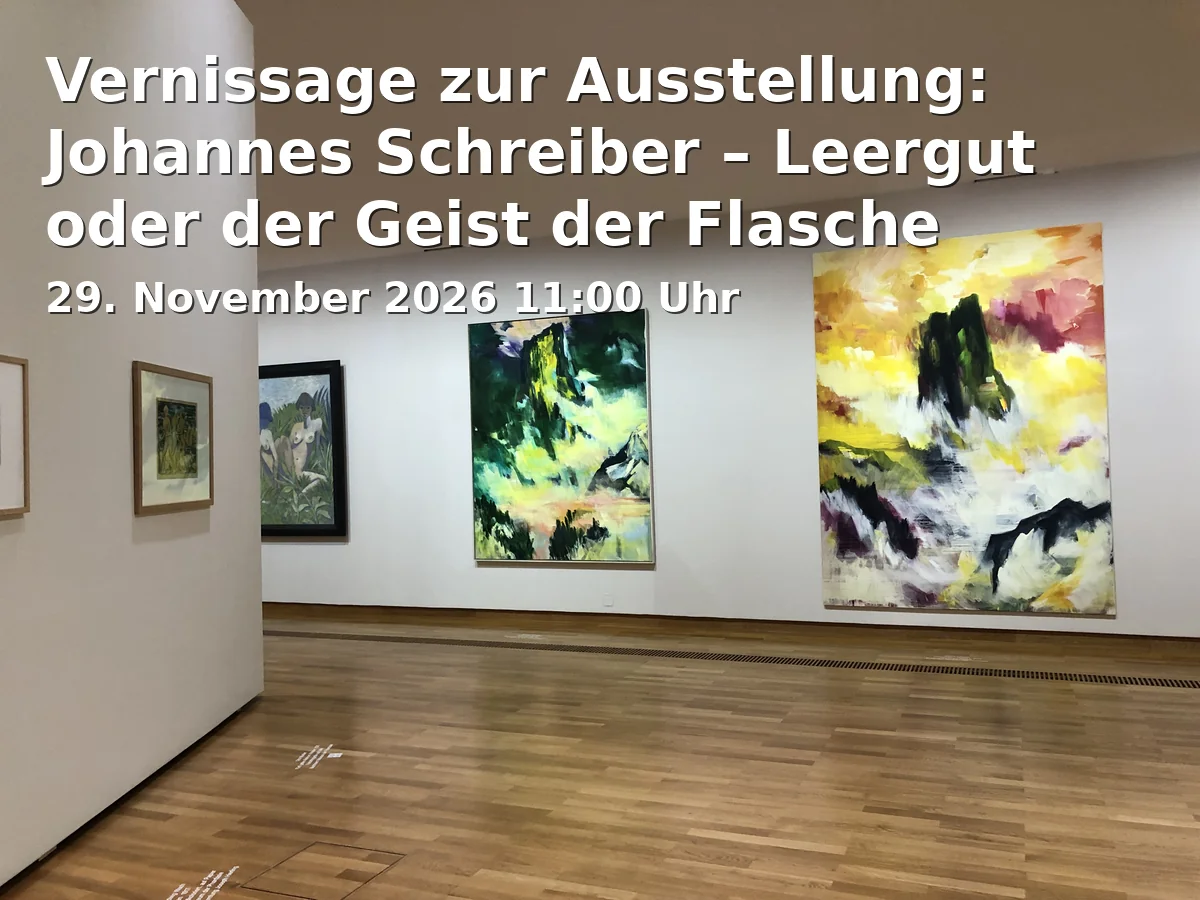
Vernissage for the exhibition: Johannes Schreiber – Empty Bottles or the Spirit of the Bottle

Adrian Roßner: Invisible Heroines? Women Who Made History
Frequently Asked Questions
Reviews
Jennifer Isaacs
22. August 2022
Ahhh…the universal language of Art !!!! 🤗 I loved slipping into this museum for some quiet art time. Follow the painted white line on the floor from room to room as your guide around this boutique museum and you do not need to understand German. There were a couple different exhibitions while I was there. Some rooms have seats to sit and contemplate the work, there is a good street view from the top floor window, small gift shop and good bathrooms.😊
Rhea Fox
4. June 2025
Great exhibitions, attentive staff. Our kids love the art studios on Saturdays.
Axel Günther
24. April 2024
Top
Эдуард Меладзе
24. February 2026
Super
Urmi B.
19. August 2024
beautiful must visit.