
Bayreuth
Kirchpl. 1, 95444 Bayreuth, Deutschland
City Church Holy Trinity | Photos & Reviews
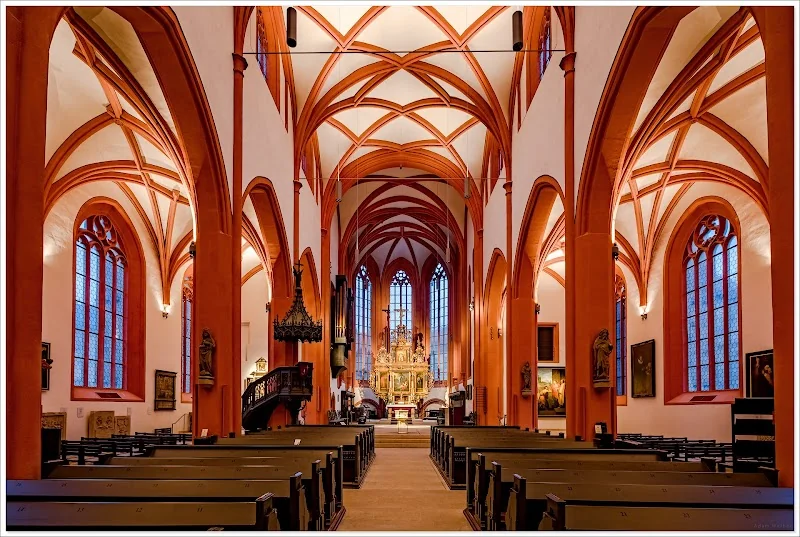
The City Church Holy Trinity is one of the most prominent buildings in the center of Bayreuth and a place where city history, faith, and art come together in a small space. Those looking for photos, images, or general impressions will discover here not only a religious building but a vibrant center of the city with a long tradition, ongoing services, concerts, and tours. According to the official website, the Christian community of Bayreuth's city center has gathered here for more than 800 years; at the same time, the church is the Protestant main church of the Margraviate of Bayreuth and the burial place of the Bayreuth margraves and their families. The current address is Kirchplatz 1 in 95444 Bayreuth, and the parish office is located at Kanzleistraße 11. The church is open daily from 9:00 AM to 6:00 PM, with visits possibly restricted during services and events. ([stadtkirche-bayreuth.de](https://www.stadtkirche-bayreuth.de/))
Photos and Images of the City Church Holy Trinity
Those looking for photos or images of the City Church Holy Trinity will find primarily two things: a church with an impressive presence in the cityscape and a wide range of perspectives that make the visit visually exciting. The official website presents the interior, panorama, tower, and crypt in a virtual environment; on the Margravial Churches page, there are also numerous images and a 360-degree tour. This is exactly what makes the church so attractive for image searches: one can get to know the bright interior, the view from the tower, and the distinctive details of the furnishings even before the visit. ([stadtkirche-bayreuth.de](https://www.stadtkirche-bayreuth.de/))
Particularly photogenic is the mix of historical substance and clear, open spatial effect. According to Margravial Churches, the church primarily impresses with its bright and spacious church interior. Additionally, there are the margravial box, the altar, the crypt, and the Küfner epitaph with the oldest city view of Bayreuth. For visitors consciously searching for beautiful motifs, this is interesting because here not only architecture but also places of remembrance and art objects interact. Even a short tour thus provides motifs with a strong connection to the city's history. ([markgrafenkirchen.de](https://www.markgrafenkirchen.de/markgrafenkirchen/stadtkirche-heilig-dreifaltigkeit-bayreuth/))
The exterior view is also important for photos because the City Church is located in the historical center and is closely connected to the urban environment. Its location at Kirchplatz makes it a fixed point in the old town, and even the way to the church is part of the experience. Those wishing to explore the church photographically should therefore plan not only the interior but also the surroundings and views from the square. This fits well with search terms related to images, photos, and Bayreuth, as the church acts as a landmark of the city center while also being architecturally and urbanistically significant. ([stadtkirche-bayreuth.de](https://www.stadtkirche-bayreuth.de/))
History of the City Church Holy Trinity in Bayreuth
The history of the City Church Holy Trinity dates back a long way. According to the Margravial Churches, a church building has stood at this location since the 12th century; on November 9, 1194, Bayreuth is mentioned in documents for the first time in connection with the then church. However, the current form is the result of destruction, reconstruction, and multiple redesigns. After the city fire of 1605, the church was rebuilt in the Gothic style according to old plans and was consecrated on September 20, 1615, under the new name Holy Trinity. The reconstruction was closely linked to the margravial court and made the church one of the most important spiritual centers of the region. ([markgrafenkirchen.de](https://www.markgrafenkirchen.de/markgrafenkirchen/stadtkirche-heilig-dreifaltigkeit-bayreuth/))
Especially important for the development of the church was Margrave Christian, who moved his residence from Plassenburg in Kulmbach to Bayreuth and used the church as a court church. According to the Margravial Churches page, the building received a fireproof vault, which proved itself during the next city fire in 1621. Although the new organ burned, the vault protected essential parts of the church. This makes the City Church a rare testament to resilience in a city that has been repeatedly affected by fires. The church thus became not only a house of God but also a symbol of urban renewal. ([markgrafenkirchen.de](https://www.markgrafenkirchen.de/markgrafenkirchen/stadtkirche-heilig-dreifaltigkeit-bayreuth/))
The later history is equally eventful. Another major city fire in 1668 led to the collapse of the north tower; the roof, organ, and pews were severely damaged. The reconstruction dragged on for decades and was further shaped in the 19th century by neo-Gothic interventions in the interior. In the 20th and early 21st centuries, new challenges arose: in 2006, there was a risk of collapse, which is why the people of Bayreuth wanted to secure their church with great commitment. On the first Advent of 2014, the church could finally be consecrated again in new splendor, exactly 400 years after the consecration following the fire of 1605. This sequence of loss, rescue, and return continues to shape the aura of the City Church to this day. ([markgrafenkirchen.de](https://www.markgrafenkirchen.de/markgrafenkirchen/stadtkirche-heilig-dreifaltigkeit-bayreuth/))
Opening Hours, Services, and Visits
For a visit, the opening hours are particularly important, as the City Church is not only a monument but a living community space. According to the official website, the church is open daily from 9:00 AM to 6:00 PM. At the same time, the community points out that visits during services and events are not possible or only possible to a limited extent. This is helpful for planning a visit, as the City Church behaves differently than a pure museum: it is a place of faith that is regularly used and therefore requires consideration in the visiting process. ([stadtkirche-bayreuth.de](https://www.stadtkirche-bayreuth.de/))
The community's website also shows that services are regularly held in the City Church and current dates are published. This keeps the church present in everyday life and not just relevant as a historical sight. Therefore, those looking for a date for a visit should not only check the opening hours but also look at the event calendar. This is especially true if one wants to take photos or view the interior in peace. In such cases, a visit outside of services or at times when no larger events are planned is recommended. ([stadtkirche-bayreuth.de](https://www.stadtkirche-bayreuth.de/))
Additionally, the community structure is interesting: The Evangelical-Lutheran Parish Office City Church Bayreuth is located at Kanzleistraße 11. The church itself is at Kirchplatz 1. This spatial proximity underscores how closely administration, community, and church space are connected. Those with questions about visits, interior tours, or special dates can contact the parish office. This makes it clear that the City Church should be appreciated not only for its history but also for its current use as a vibrant community. ([stadtkirche-bayreuth.de](https://www.stadtkirche-bayreuth.de/))
Tower Tour, Panorama, and Margrave Crypt
One of the most exciting opportunities in the City Church Holy Trinity is the tower tour. Bayreuth Tourism describes it as a special experience with a view over Bayreuth and the surrounding area. The ascent takes place via partly narrow and steep spiral staircases; there is no elevator. At the top, a stone bridge connects the two towers, from which a wide view opens up. Additionally, there is a visit to the tower keeper's apartment at the top of the north tower, which provides a small leap into the history of urban everyday life. For many visitors, this contrast between physical ascent and wide panorama is a highlight of the visit. ([bayreuth-tourismus.de](https://www.bayreuth-tourismus.de/entdecken/fuehrungen/stadtkirchenfuehrungen/))
The organization is also clearly regulated. According to Bayreuth Tourism, tower tours usually take place between Easter and October, on Saturdays at 11 AM and 12 PM; in summer, there are also evening tours. Participation is based on donations, with a guideline of 5 euros or 2.50 euros reduced. A maximum of 15 people can participate per tour, the duration is about an hour, and prior registration is not necessary. The starting point is the west portal of the church at the corner of the Historical Museum. These practical details are particularly relevant for inquiries about tower tours, views, and visit planning. ([bayreuth-tourismus.de](https://www.bayreuth-tourismus.de/entdecken/fuehrungen/stadtkirchenfuehrungen/))
Content-wise, the tower tour is worthwhile not only for the view but also for the Margrave Crypt. The official website states that visitors can climb the tower, enjoy the panorama, and then visit the crypt where the Bayreuth margraves are buried. The Margravial Churches page also emphasizes the importance of the crypt under the choir area and describes the City Church as the mother of the Margravial Churches. Thus, the tower tour becomes a journey through power, religion, and urban history at the same time. Therefore, those searching for the term Margrave Crypt or view will find here not just a mere attraction but a historically dense experience. ([stadtkirche-bayreuth.de](https://www.stadtkirche-bayreuth.de/))
Access and Parking around Kirchplatz
The City Church is located in the center of Bayreuth at Kirchplatz 1. This location makes access fundamentally easy, as the church is embedded in the historical city center and many paths are reachable on foot. The Margravial Churches page also points out accessibility aspects, car parking spaces, and connections to public transport. For visitors, this means: The City Church is not only a destination for a classic old town walk but is also well integrated into a city visit. Those coming from the Margravial Opera House, the Historical Museum, or other places in the city center can reach the church quickly. ([markgrafenkirchen.de](https://www.markgrafenkirchen.de/markgrafenkirchen/stadtkirche-heilig-dreifaltigkeit-bayreuth/))
Regarding parking, Bayreuth Tourism mentions parking garages, underground garages, and over 6,000 public and private parking spaces for the entire city center. Additionally, there are numerous spaces for buses and two-wheelers as well as RV parking spaces. This is especially interesting if the visit to the City Church is part of a larger city program. Instead of hoping for a single parking space directly in front of the church, it is more practical to use the city center parking options and cover the rest on foot. This fits with the church's location in the historical center and helps to plan the stay more relaxed. ([bayreuth-tourismus.de](https://www.bayreuth-tourismus.de/innenstadt/parken/?utm_source=openai))
For group tours, the combination of city center location, historical neighboring destinations, and tourism infrastructure is particularly attractive. The Bayreuth city center is so compact that the church, museum, squares, and other sights can be well connected. Especially with high visitor numbers or on days with events, it is advisable to think about access and parking early. Those wishing to combine the City Church with a tower tour, old town walk, or other churches in margravial Bayreuth will benefit from the central location at Kirchplatz and the inner-city parking options. ([bayreuth-tourismus.de](https://www.bayreuth-tourismus.de/innenstadt/parken/?utm_source=openai))
Margravial Churches, Art Treasures, and Special Details
The City Church Holy Trinity is interesting not only because of its location but also because of its outstanding role within the Margravial Churches. The Margravial Churches page calls it the mother of the Margravial Churches. This is due to the margravial box with its own access, the altar donated by Margravine Maria, and especially the Margrave Crypt under the choir area. These elements uniquely connect courtly representation, piety, and culture of remembrance. Thus, the church becomes a key place when trying to understand the history of margravial Bayreuth. ([markgrafenkirchen.de](https://www.markgrafenkirchen.de/markgrafenkirchen/stadtkirche-heilig-dreifaltigkeit-bayreuth/))
Individual art and memorial objects also deserve attention. Particularly highlighted are the baptismal font from 1600 and the Küfner epitaph with the oldest city view of Bayreuth. Such details make the church exciting for visitors who not only want to see a beautiful building but are also looking for traces of urban development and piety. The space tells not only of faith but also of how Bayreuth has changed over the centuries. Therefore, the view of these pieces is worthwhile for both those interested in cultural history and for people looking for special motifs for photos. ([markgrafenkirchen.de](https://www.markgrafenkirchen.de/markgrafenkirchen/stadtkirche-heilig-dreifaltigkeit-bayreuth/))
The significance of the church is also evident in that it serves as a place for special insights and tours. The official site offers a virtual tour where one can stroll through the interiors, climb the tower, and visit the crypt. Additionally, the community refers to tours through the church and current dates. Thus, the City Church does not remain at a purely historical consideration but becomes immediately tangible for visitors. This is particularly important for inquiries about reviews, photos, or Bayreuth highlights: The church lives from the connection of visitor experience, history, and present. ([stadtkirche-bayreuth.de](https://www.stadtkirche-bayreuth.de/))
In the larger city context, the church is also firmly connected to the historical center of Bayreuth. The surroundings offer further notable destinations, making a visit fit well into a route through the old town. Bayreuth Tourism points out the Margravial Opera House and the Historical Museum near the City Church. Thus, the City Church is not just a single point of interest but part of a dense cultural network that makes Bayreuth's city history tangible in a small space. This very density makes it so attractive for tourists, photographers, and culture-interested guests. ([markgrafenkirchen.de](https://www.markgrafenkirchen.de/markgrafenkirchen/stadtkirche-heilig-dreifaltigkeit-bayreuth/))
Sources:
Show moreShow less
City Church Holy Trinity | Photos & Reviews
The City Church Holy Trinity is one of the most prominent buildings in the center of Bayreuth and a place where city history, faith, and art come together in a small space. Those looking for photos, images, or general impressions will discover here not only a religious building but a vibrant center of the city with a long tradition, ongoing services, concerts, and tours. According to the official website, the Christian community of Bayreuth's city center has gathered here for more than 800 years; at the same time, the church is the Protestant main church of the Margraviate of Bayreuth and the burial place of the Bayreuth margraves and their families. The current address is Kirchplatz 1 in 95444 Bayreuth, and the parish office is located at Kanzleistraße 11. The church is open daily from 9:00 AM to 6:00 PM, with visits possibly restricted during services and events. ([stadtkirche-bayreuth.de](https://www.stadtkirche-bayreuth.de/))
Photos and Images of the City Church Holy Trinity
Those looking for photos or images of the City Church Holy Trinity will find primarily two things: a church with an impressive presence in the cityscape and a wide range of perspectives that make the visit visually exciting. The official website presents the interior, panorama, tower, and crypt in a virtual environment; on the Margravial Churches page, there are also numerous images and a 360-degree tour. This is exactly what makes the church so attractive for image searches: one can get to know the bright interior, the view from the tower, and the distinctive details of the furnishings even before the visit. ([stadtkirche-bayreuth.de](https://www.stadtkirche-bayreuth.de/))
Particularly photogenic is the mix of historical substance and clear, open spatial effect. According to Margravial Churches, the church primarily impresses with its bright and spacious church interior. Additionally, there are the margravial box, the altar, the crypt, and the Küfner epitaph with the oldest city view of Bayreuth. For visitors consciously searching for beautiful motifs, this is interesting because here not only architecture but also places of remembrance and art objects interact. Even a short tour thus provides motifs with a strong connection to the city's history. ([markgrafenkirchen.de](https://www.markgrafenkirchen.de/markgrafenkirchen/stadtkirche-heilig-dreifaltigkeit-bayreuth/))
The exterior view is also important for photos because the City Church is located in the historical center and is closely connected to the urban environment. Its location at Kirchplatz makes it a fixed point in the old town, and even the way to the church is part of the experience. Those wishing to explore the church photographically should therefore plan not only the interior but also the surroundings and views from the square. This fits well with search terms related to images, photos, and Bayreuth, as the church acts as a landmark of the city center while also being architecturally and urbanistically significant. ([stadtkirche-bayreuth.de](https://www.stadtkirche-bayreuth.de/))
History of the City Church Holy Trinity in Bayreuth
The history of the City Church Holy Trinity dates back a long way. According to the Margravial Churches, a church building has stood at this location since the 12th century; on November 9, 1194, Bayreuth is mentioned in documents for the first time in connection with the then church. However, the current form is the result of destruction, reconstruction, and multiple redesigns. After the city fire of 1605, the church was rebuilt in the Gothic style according to old plans and was consecrated on September 20, 1615, under the new name Holy Trinity. The reconstruction was closely linked to the margravial court and made the church one of the most important spiritual centers of the region. ([markgrafenkirchen.de](https://www.markgrafenkirchen.de/markgrafenkirchen/stadtkirche-heilig-dreifaltigkeit-bayreuth/))
Especially important for the development of the church was Margrave Christian, who moved his residence from Plassenburg in Kulmbach to Bayreuth and used the church as a court church. According to the Margravial Churches page, the building received a fireproof vault, which proved itself during the next city fire in 1621. Although the new organ burned, the vault protected essential parts of the church. This makes the City Church a rare testament to resilience in a city that has been repeatedly affected by fires. The church thus became not only a house of God but also a symbol of urban renewal. ([markgrafenkirchen.de](https://www.markgrafenkirchen.de/markgrafenkirchen/stadtkirche-heilig-dreifaltigkeit-bayreuth/))
The later history is equally eventful. Another major city fire in 1668 led to the collapse of the north tower; the roof, organ, and pews were severely damaged. The reconstruction dragged on for decades and was further shaped in the 19th century by neo-Gothic interventions in the interior. In the 20th and early 21st centuries, new challenges arose: in 2006, there was a risk of collapse, which is why the people of Bayreuth wanted to secure their church with great commitment. On the first Advent of 2014, the church could finally be consecrated again in new splendor, exactly 400 years after the consecration following the fire of 1605. This sequence of loss, rescue, and return continues to shape the aura of the City Church to this day. ([markgrafenkirchen.de](https://www.markgrafenkirchen.de/markgrafenkirchen/stadtkirche-heilig-dreifaltigkeit-bayreuth/))
Opening Hours, Services, and Visits
For a visit, the opening hours are particularly important, as the City Church is not only a monument but a living community space. According to the official website, the church is open daily from 9:00 AM to 6:00 PM. At the same time, the community points out that visits during services and events are not possible or only possible to a limited extent. This is helpful for planning a visit, as the City Church behaves differently than a pure museum: it is a place of faith that is regularly used and therefore requires consideration in the visiting process. ([stadtkirche-bayreuth.de](https://www.stadtkirche-bayreuth.de/))
The community's website also shows that services are regularly held in the City Church and current dates are published. This keeps the church present in everyday life and not just relevant as a historical sight. Therefore, those looking for a date for a visit should not only check the opening hours but also look at the event calendar. This is especially true if one wants to take photos or view the interior in peace. In such cases, a visit outside of services or at times when no larger events are planned is recommended. ([stadtkirche-bayreuth.de](https://www.stadtkirche-bayreuth.de/))
Additionally, the community structure is interesting: The Evangelical-Lutheran Parish Office City Church Bayreuth is located at Kanzleistraße 11. The church itself is at Kirchplatz 1. This spatial proximity underscores how closely administration, community, and church space are connected. Those with questions about visits, interior tours, or special dates can contact the parish office. This makes it clear that the City Church should be appreciated not only for its history but also for its current use as a vibrant community. ([stadtkirche-bayreuth.de](https://www.stadtkirche-bayreuth.de/))
Tower Tour, Panorama, and Margrave Crypt
One of the most exciting opportunities in the City Church Holy Trinity is the tower tour. Bayreuth Tourism describes it as a special experience with a view over Bayreuth and the surrounding area. The ascent takes place via partly narrow and steep spiral staircases; there is no elevator. At the top, a stone bridge connects the two towers, from which a wide view opens up. Additionally, there is a visit to the tower keeper's apartment at the top of the north tower, which provides a small leap into the history of urban everyday life. For many visitors, this contrast between physical ascent and wide panorama is a highlight of the visit. ([bayreuth-tourismus.de](https://www.bayreuth-tourismus.de/entdecken/fuehrungen/stadtkirchenfuehrungen/))
The organization is also clearly regulated. According to Bayreuth Tourism, tower tours usually take place between Easter and October, on Saturdays at 11 AM and 12 PM; in summer, there are also evening tours. Participation is based on donations, with a guideline of 5 euros or 2.50 euros reduced. A maximum of 15 people can participate per tour, the duration is about an hour, and prior registration is not necessary. The starting point is the west portal of the church at the corner of the Historical Museum. These practical details are particularly relevant for inquiries about tower tours, views, and visit planning. ([bayreuth-tourismus.de](https://www.bayreuth-tourismus.de/entdecken/fuehrungen/stadtkirchenfuehrungen/))
Content-wise, the tower tour is worthwhile not only for the view but also for the Margrave Crypt. The official website states that visitors can climb the tower, enjoy the panorama, and then visit the crypt where the Bayreuth margraves are buried. The Margravial Churches page also emphasizes the importance of the crypt under the choir area and describes the City Church as the mother of the Margravial Churches. Thus, the tower tour becomes a journey through power, religion, and urban history at the same time. Therefore, those searching for the term Margrave Crypt or view will find here not just a mere attraction but a historically dense experience. ([stadtkirche-bayreuth.de](https://www.stadtkirche-bayreuth.de/))
Access and Parking around Kirchplatz
The City Church is located in the center of Bayreuth at Kirchplatz 1. This location makes access fundamentally easy, as the church is embedded in the historical city center and many paths are reachable on foot. The Margravial Churches page also points out accessibility aspects, car parking spaces, and connections to public transport. For visitors, this means: The City Church is not only a destination for a classic old town walk but is also well integrated into a city visit. Those coming from the Margravial Opera House, the Historical Museum, or other places in the city center can reach the church quickly. ([markgrafenkirchen.de](https://www.markgrafenkirchen.de/markgrafenkirchen/stadtkirche-heilig-dreifaltigkeit-bayreuth/))
Regarding parking, Bayreuth Tourism mentions parking garages, underground garages, and over 6,000 public and private parking spaces for the entire city center. Additionally, there are numerous spaces for buses and two-wheelers as well as RV parking spaces. This is especially interesting if the visit to the City Church is part of a larger city program. Instead of hoping for a single parking space directly in front of the church, it is more practical to use the city center parking options and cover the rest on foot. This fits with the church's location in the historical center and helps to plan the stay more relaxed. ([bayreuth-tourismus.de](https://www.bayreuth-tourismus.de/innenstadt/parken/?utm_source=openai))
For group tours, the combination of city center location, historical neighboring destinations, and tourism infrastructure is particularly attractive. The Bayreuth city center is so compact that the church, museum, squares, and other sights can be well connected. Especially with high visitor numbers or on days with events, it is advisable to think about access and parking early. Those wishing to combine the City Church with a tower tour, old town walk, or other churches in margravial Bayreuth will benefit from the central location at Kirchplatz and the inner-city parking options. ([bayreuth-tourismus.de](https://www.bayreuth-tourismus.de/innenstadt/parken/?utm_source=openai))
Margravial Churches, Art Treasures, and Special Details
The City Church Holy Trinity is interesting not only because of its location but also because of its outstanding role within the Margravial Churches. The Margravial Churches page calls it the mother of the Margravial Churches. This is due to the margravial box with its own access, the altar donated by Margravine Maria, and especially the Margrave Crypt under the choir area. These elements uniquely connect courtly representation, piety, and culture of remembrance. Thus, the church becomes a key place when trying to understand the history of margravial Bayreuth. ([markgrafenkirchen.de](https://www.markgrafenkirchen.de/markgrafenkirchen/stadtkirche-heilig-dreifaltigkeit-bayreuth/))
Individual art and memorial objects also deserve attention. Particularly highlighted are the baptismal font from 1600 and the Küfner epitaph with the oldest city view of Bayreuth. Such details make the church exciting for visitors who not only want to see a beautiful building but are also looking for traces of urban development and piety. The space tells not only of faith but also of how Bayreuth has changed over the centuries. Therefore, the view of these pieces is worthwhile for both those interested in cultural history and for people looking for special motifs for photos. ([markgrafenkirchen.de](https://www.markgrafenkirchen.de/markgrafenkirchen/stadtkirche-heilig-dreifaltigkeit-bayreuth/))
The significance of the church is also evident in that it serves as a place for special insights and tours. The official site offers a virtual tour where one can stroll through the interiors, climb the tower, and visit the crypt. Additionally, the community refers to tours through the church and current dates. Thus, the City Church does not remain at a purely historical consideration but becomes immediately tangible for visitors. This is particularly important for inquiries about reviews, photos, or Bayreuth highlights: The church lives from the connection of visitor experience, history, and present. ([stadtkirche-bayreuth.de](https://www.stadtkirche-bayreuth.de/))
In the larger city context, the church is also firmly connected to the historical center of Bayreuth. The surroundings offer further notable destinations, making a visit fit well into a route through the old town. Bayreuth Tourism points out the Margravial Opera House and the Historical Museum near the City Church. Thus, the City Church is not just a single point of interest but part of a dense cultural network that makes Bayreuth's city history tangible in a small space. This very density makes it so attractive for tourists, photographers, and culture-interested guests. ([markgrafenkirchen.de](https://www.markgrafenkirchen.de/markgrafenkirchen/stadtkirche-heilig-dreifaltigkeit-bayreuth/))
Sources:
City Church Holy Trinity | Photos & Reviews
The City Church Holy Trinity is one of the most prominent buildings in the center of Bayreuth and a place where city history, faith, and art come together in a small space. Those looking for photos, images, or general impressions will discover here not only a religious building but a vibrant center of the city with a long tradition, ongoing services, concerts, and tours. According to the official website, the Christian community of Bayreuth's city center has gathered here for more than 800 years; at the same time, the church is the Protestant main church of the Margraviate of Bayreuth and the burial place of the Bayreuth margraves and their families. The current address is Kirchplatz 1 in 95444 Bayreuth, and the parish office is located at Kanzleistraße 11. The church is open daily from 9:00 AM to 6:00 PM, with visits possibly restricted during services and events. ([stadtkirche-bayreuth.de](https://www.stadtkirche-bayreuth.de/))
Photos and Images of the City Church Holy Trinity
Those looking for photos or images of the City Church Holy Trinity will find primarily two things: a church with an impressive presence in the cityscape and a wide range of perspectives that make the visit visually exciting. The official website presents the interior, panorama, tower, and crypt in a virtual environment; on the Margravial Churches page, there are also numerous images and a 360-degree tour. This is exactly what makes the church so attractive for image searches: one can get to know the bright interior, the view from the tower, and the distinctive details of the furnishings even before the visit. ([stadtkirche-bayreuth.de](https://www.stadtkirche-bayreuth.de/))
Particularly photogenic is the mix of historical substance and clear, open spatial effect. According to Margravial Churches, the church primarily impresses with its bright and spacious church interior. Additionally, there are the margravial box, the altar, the crypt, and the Küfner epitaph with the oldest city view of Bayreuth. For visitors consciously searching for beautiful motifs, this is interesting because here not only architecture but also places of remembrance and art objects interact. Even a short tour thus provides motifs with a strong connection to the city's history. ([markgrafenkirchen.de](https://www.markgrafenkirchen.de/markgrafenkirchen/stadtkirche-heilig-dreifaltigkeit-bayreuth/))
The exterior view is also important for photos because the City Church is located in the historical center and is closely connected to the urban environment. Its location at Kirchplatz makes it a fixed point in the old town, and even the way to the church is part of the experience. Those wishing to explore the church photographically should therefore plan not only the interior but also the surroundings and views from the square. This fits well with search terms related to images, photos, and Bayreuth, as the church acts as a landmark of the city center while also being architecturally and urbanistically significant. ([stadtkirche-bayreuth.de](https://www.stadtkirche-bayreuth.de/))
History of the City Church Holy Trinity in Bayreuth
The history of the City Church Holy Trinity dates back a long way. According to the Margravial Churches, a church building has stood at this location since the 12th century; on November 9, 1194, Bayreuth is mentioned in documents for the first time in connection with the then church. However, the current form is the result of destruction, reconstruction, and multiple redesigns. After the city fire of 1605, the church was rebuilt in the Gothic style according to old plans and was consecrated on September 20, 1615, under the new name Holy Trinity. The reconstruction was closely linked to the margravial court and made the church one of the most important spiritual centers of the region. ([markgrafenkirchen.de](https://www.markgrafenkirchen.de/markgrafenkirchen/stadtkirche-heilig-dreifaltigkeit-bayreuth/))
Especially important for the development of the church was Margrave Christian, who moved his residence from Plassenburg in Kulmbach to Bayreuth and used the church as a court church. According to the Margravial Churches page, the building received a fireproof vault, which proved itself during the next city fire in 1621. Although the new organ burned, the vault protected essential parts of the church. This makes the City Church a rare testament to resilience in a city that has been repeatedly affected by fires. The church thus became not only a house of God but also a symbol of urban renewal. ([markgrafenkirchen.de](https://www.markgrafenkirchen.de/markgrafenkirchen/stadtkirche-heilig-dreifaltigkeit-bayreuth/))
The later history is equally eventful. Another major city fire in 1668 led to the collapse of the north tower; the roof, organ, and pews were severely damaged. The reconstruction dragged on for decades and was further shaped in the 19th century by neo-Gothic interventions in the interior. In the 20th and early 21st centuries, new challenges arose: in 2006, there was a risk of collapse, which is why the people of Bayreuth wanted to secure their church with great commitment. On the first Advent of 2014, the church could finally be consecrated again in new splendor, exactly 400 years after the consecration following the fire of 1605. This sequence of loss, rescue, and return continues to shape the aura of the City Church to this day. ([markgrafenkirchen.de](https://www.markgrafenkirchen.de/markgrafenkirchen/stadtkirche-heilig-dreifaltigkeit-bayreuth/))
Opening Hours, Services, and Visits
For a visit, the opening hours are particularly important, as the City Church is not only a monument but a living community space. According to the official website, the church is open daily from 9:00 AM to 6:00 PM. At the same time, the community points out that visits during services and events are not possible or only possible to a limited extent. This is helpful for planning a visit, as the City Church behaves differently than a pure museum: it is a place of faith that is regularly used and therefore requires consideration in the visiting process. ([stadtkirche-bayreuth.de](https://www.stadtkirche-bayreuth.de/))
The community's website also shows that services are regularly held in the City Church and current dates are published. This keeps the church present in everyday life and not just relevant as a historical sight. Therefore, those looking for a date for a visit should not only check the opening hours but also look at the event calendar. This is especially true if one wants to take photos or view the interior in peace. In such cases, a visit outside of services or at times when no larger events are planned is recommended. ([stadtkirche-bayreuth.de](https://www.stadtkirche-bayreuth.de/))
Additionally, the community structure is interesting: The Evangelical-Lutheran Parish Office City Church Bayreuth is located at Kanzleistraße 11. The church itself is at Kirchplatz 1. This spatial proximity underscores how closely administration, community, and church space are connected. Those with questions about visits, interior tours, or special dates can contact the parish office. This makes it clear that the City Church should be appreciated not only for its history but also for its current use as a vibrant community. ([stadtkirche-bayreuth.de](https://www.stadtkirche-bayreuth.de/))
Tower Tour, Panorama, and Margrave Crypt
One of the most exciting opportunities in the City Church Holy Trinity is the tower tour. Bayreuth Tourism describes it as a special experience with a view over Bayreuth and the surrounding area. The ascent takes place via partly narrow and steep spiral staircases; there is no elevator. At the top, a stone bridge connects the two towers, from which a wide view opens up. Additionally, there is a visit to the tower keeper's apartment at the top of the north tower, which provides a small leap into the history of urban everyday life. For many visitors, this contrast between physical ascent and wide panorama is a highlight of the visit. ([bayreuth-tourismus.de](https://www.bayreuth-tourismus.de/entdecken/fuehrungen/stadtkirchenfuehrungen/))
The organization is also clearly regulated. According to Bayreuth Tourism, tower tours usually take place between Easter and October, on Saturdays at 11 AM and 12 PM; in summer, there are also evening tours. Participation is based on donations, with a guideline of 5 euros or 2.50 euros reduced. A maximum of 15 people can participate per tour, the duration is about an hour, and prior registration is not necessary. The starting point is the west portal of the church at the corner of the Historical Museum. These practical details are particularly relevant for inquiries about tower tours, views, and visit planning. ([bayreuth-tourismus.de](https://www.bayreuth-tourismus.de/entdecken/fuehrungen/stadtkirchenfuehrungen/))
Content-wise, the tower tour is worthwhile not only for the view but also for the Margrave Crypt. The official website states that visitors can climb the tower, enjoy the panorama, and then visit the crypt where the Bayreuth margraves are buried. The Margravial Churches page also emphasizes the importance of the crypt under the choir area and describes the City Church as the mother of the Margravial Churches. Thus, the tower tour becomes a journey through power, religion, and urban history at the same time. Therefore, those searching for the term Margrave Crypt or view will find here not just a mere attraction but a historically dense experience. ([stadtkirche-bayreuth.de](https://www.stadtkirche-bayreuth.de/))
Access and Parking around Kirchplatz
The City Church is located in the center of Bayreuth at Kirchplatz 1. This location makes access fundamentally easy, as the church is embedded in the historical city center and many paths are reachable on foot. The Margravial Churches page also points out accessibility aspects, car parking spaces, and connections to public transport. For visitors, this means: The City Church is not only a destination for a classic old town walk but is also well integrated into a city visit. Those coming from the Margravial Opera House, the Historical Museum, or other places in the city center can reach the church quickly. ([markgrafenkirchen.de](https://www.markgrafenkirchen.de/markgrafenkirchen/stadtkirche-heilig-dreifaltigkeit-bayreuth/))
Regarding parking, Bayreuth Tourism mentions parking garages, underground garages, and over 6,000 public and private parking spaces for the entire city center. Additionally, there are numerous spaces for buses and two-wheelers as well as RV parking spaces. This is especially interesting if the visit to the City Church is part of a larger city program. Instead of hoping for a single parking space directly in front of the church, it is more practical to use the city center parking options and cover the rest on foot. This fits with the church's location in the historical center and helps to plan the stay more relaxed. ([bayreuth-tourismus.de](https://www.bayreuth-tourismus.de/innenstadt/parken/?utm_source=openai))
For group tours, the combination of city center location, historical neighboring destinations, and tourism infrastructure is particularly attractive. The Bayreuth city center is so compact that the church, museum, squares, and other sights can be well connected. Especially with high visitor numbers or on days with events, it is advisable to think about access and parking early. Those wishing to combine the City Church with a tower tour, old town walk, or other churches in margravial Bayreuth will benefit from the central location at Kirchplatz and the inner-city parking options. ([bayreuth-tourismus.de](https://www.bayreuth-tourismus.de/innenstadt/parken/?utm_source=openai))
Margravial Churches, Art Treasures, and Special Details
The City Church Holy Trinity is interesting not only because of its location but also because of its outstanding role within the Margravial Churches. The Margravial Churches page calls it the mother of the Margravial Churches. This is due to the margravial box with its own access, the altar donated by Margravine Maria, and especially the Margrave Crypt under the choir area. These elements uniquely connect courtly representation, piety, and culture of remembrance. Thus, the church becomes a key place when trying to understand the history of margravial Bayreuth. ([markgrafenkirchen.de](https://www.markgrafenkirchen.de/markgrafenkirchen/stadtkirche-heilig-dreifaltigkeit-bayreuth/))
Individual art and memorial objects also deserve attention. Particularly highlighted are the baptismal font from 1600 and the Küfner epitaph with the oldest city view of Bayreuth. Such details make the church exciting for visitors who not only want to see a beautiful building but are also looking for traces of urban development and piety. The space tells not only of faith but also of how Bayreuth has changed over the centuries. Therefore, the view of these pieces is worthwhile for both those interested in cultural history and for people looking for special motifs for photos. ([markgrafenkirchen.de](https://www.markgrafenkirchen.de/markgrafenkirchen/stadtkirche-heilig-dreifaltigkeit-bayreuth/))
The significance of the church is also evident in that it serves as a place for special insights and tours. The official site offers a virtual tour where one can stroll through the interiors, climb the tower, and visit the crypt. Additionally, the community refers to tours through the church and current dates. Thus, the City Church does not remain at a purely historical consideration but becomes immediately tangible for visitors. This is particularly important for inquiries about reviews, photos, or Bayreuth highlights: The church lives from the connection of visitor experience, history, and present. ([stadtkirche-bayreuth.de](https://www.stadtkirche-bayreuth.de/))
In the larger city context, the church is also firmly connected to the historical center of Bayreuth. The surroundings offer further notable destinations, making a visit fit well into a route through the old town. Bayreuth Tourism points out the Margravial Opera House and the Historical Museum near the City Church. Thus, the City Church is not just a single point of interest but part of a dense cultural network that makes Bayreuth's city history tangible in a small space. This very density makes it so attractive for tourists, photographers, and culture-interested guests. ([markgrafenkirchen.de](https://www.markgrafenkirchen.de/markgrafenkirchen/stadtkirche-heilig-dreifaltigkeit-bayreuth/))
Sources:
Upcoming Events
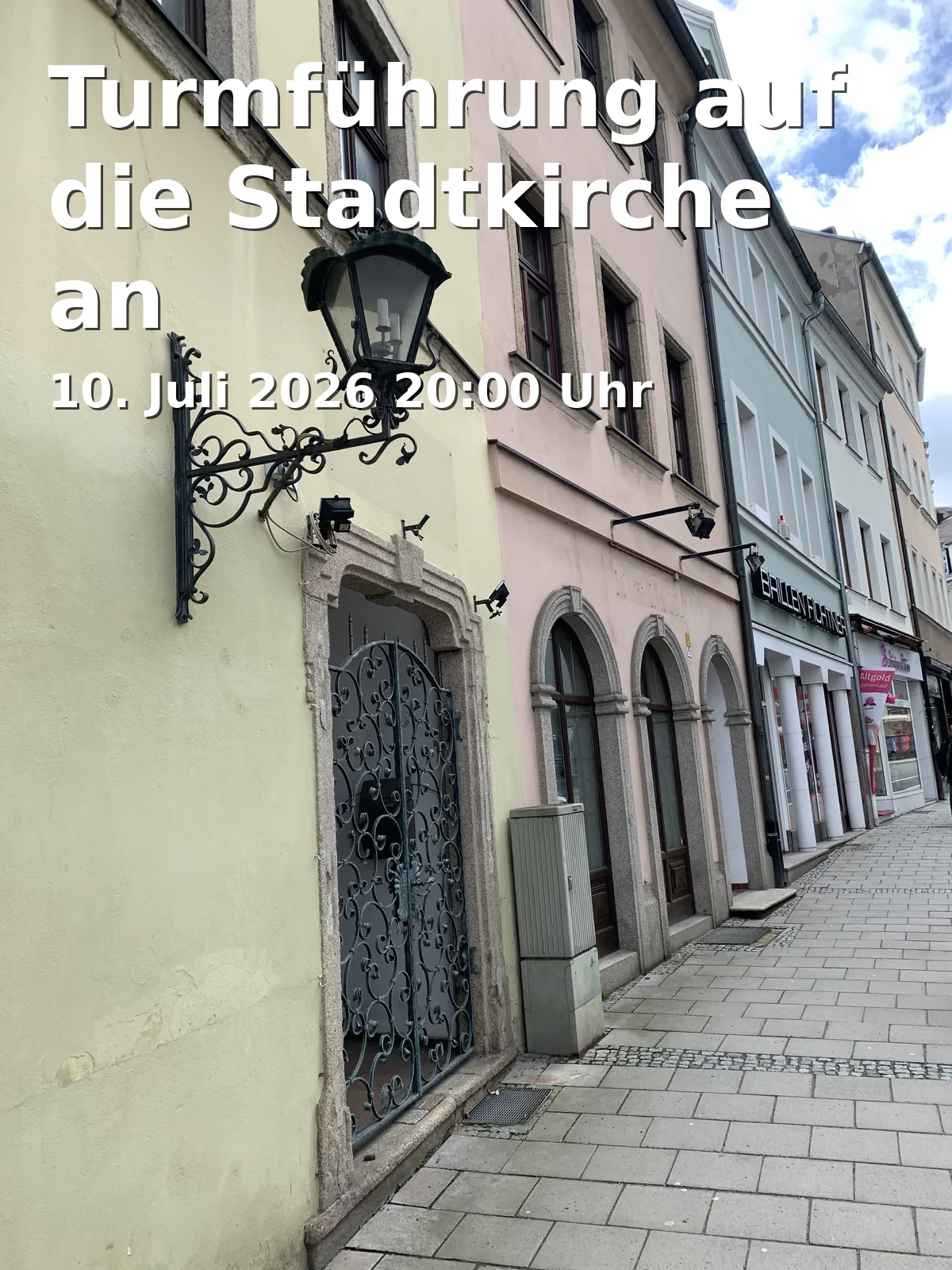
Tower Tour of the City Church on Summer Evenings July / August
Experience Bayreuth from above: The summer tower tour of the City Church connects panorama, history, and evening atmosphere. Free on 10.07.2026, discover now! #Bayreuth
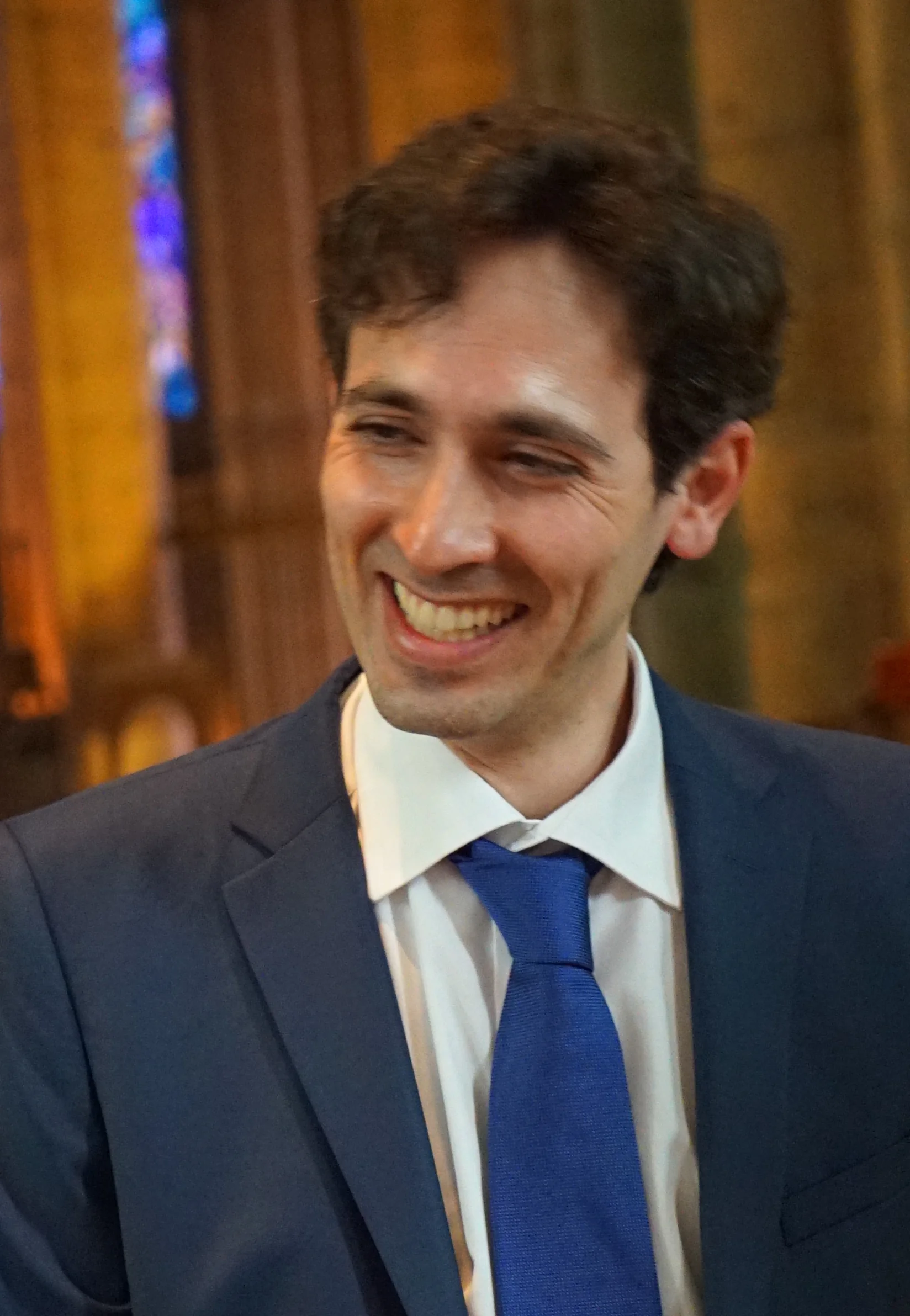
Dreams and Legends
An evening full of organ magic in Bayreuth: Vincent Dubois brings Dreams and Legends to the Stadtkirche. Great soundscapes, live, intense, unforgettable. #Bayreuth #Organ
Organ meets Wagner – Vincent Dubois in Bayreuth
Bayreuth experiences a special organ evening: Vincent Dubois connects Wagner, Liszt, and great Romanticism in the Stadtkirche. 12.07.2026, admission free. #Bayreuth #Organ

Festival Day at the Town Church
A free festival evening in Bayreuth: Hof Symphony Orchestra and Lukas Geppert fill the Town Church with sound, shine, and jubilee spirit. #Bayreuth #Concert

Film Music Live: Lukas Geppert and Hofer Symphoniker
Bayreuth enjoys a summer evening full of film music, Wagner sounds, and goosebumps. Lukas Geppert and Hofer Symphoniker perform free at the Stadtkirche. #Bayreuth #FilmMusic
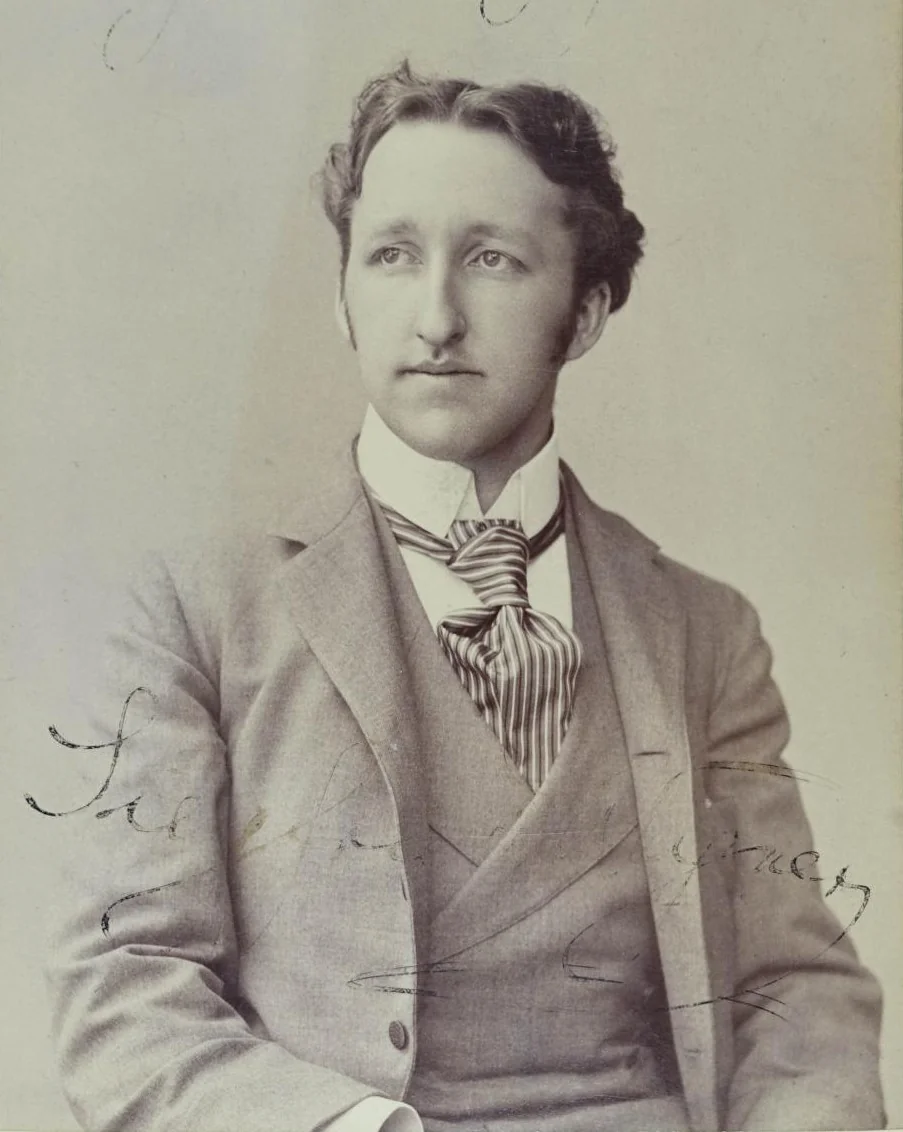
Giacomo Meyerbeer and Siegfried Wagner in Organ Transcriptions
An evening full of operatic sound in the Bayreuth City Church: Meyerbeer and Siegfried Wagner meet the organ, flute, and singing. Free entry! #Bayreuth #Concert
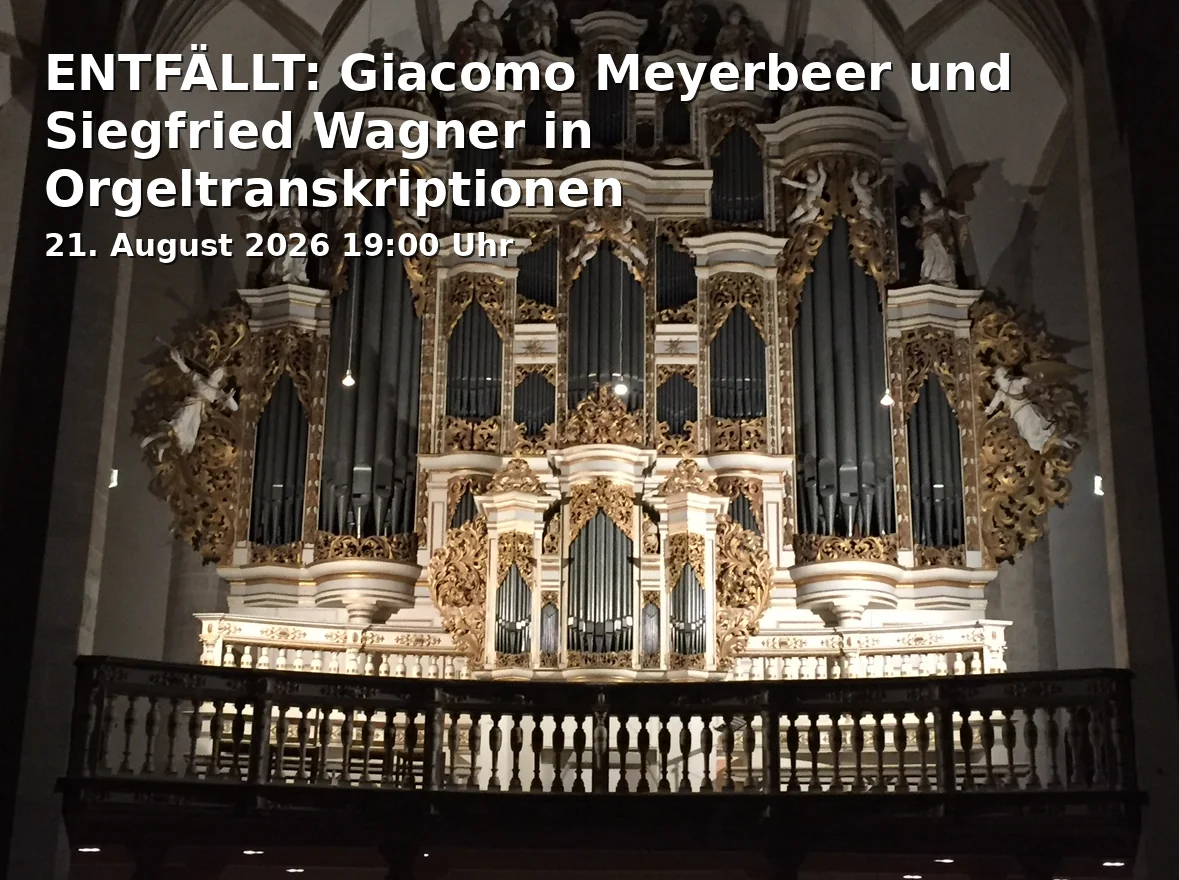
CANCELED: Giacomo Meyerbeer and Siegfried Wagner in Organ Transcriptions
A planned evening with organ, flute, and vocals is canceled in Bayreuth. Still, the program remains exciting for classical music fans. #Bayreuth #OrganConcert

Lichterfest – Advent Concert of the Bayreuth Children's and Sparrow Choir
An evening full of light, sound, and anticipation at the Bayreuth City Church: The Bayreuth Children's and Sparrow Choir sings on December 5, 2026, at 17:00. Entry free. #Bayreuth #AdventConcert
Frequently Asked Questions
Reviews
david antoun
7. October 2024
gothic evangelical church from medieval ages, renovated in 15th century. the exterior highlight is the two towers and the green/blue bricks. contains underground tombs of Margrave locals.
Evgeniia
2. November 2024
Interesting church, free entrance, worth visiting for sure. On a way for pilgrimage.
Careless Angel
13. August 2024
A nice and quiet place to be alone.
Christian
5. August 2023
Super 👍👍👍
Michi
1. October 2022
Tip top