
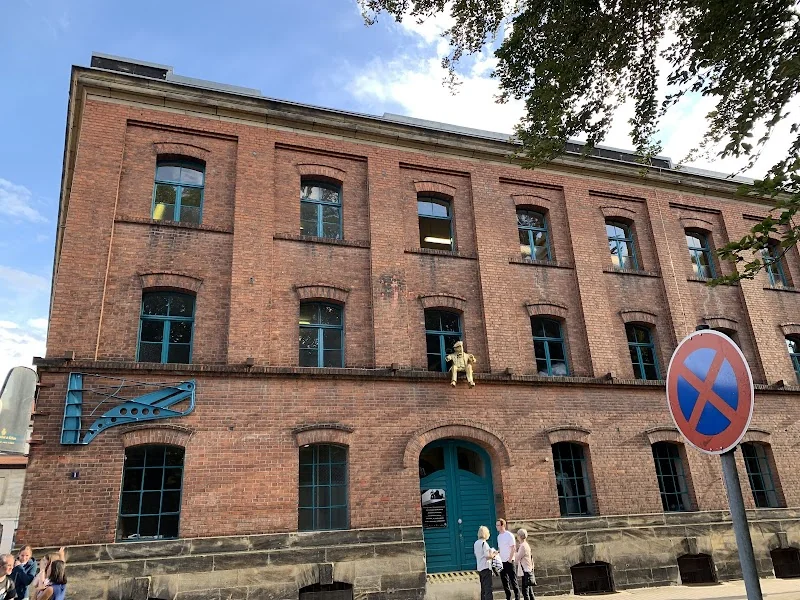
Dammwäldchen 1, Bayreuth-Schießhaus
Dammwäldchen 1, 95444 Bayreuth, Germany
Steingraeber & Söhne | Pianos & Grand Pianos in Bayreuth
Steingraeber & Söhne is much more than just a manufacturer of pianos and grand pianos in Bayreuth. The manufactory has been combining artisanal instrument making with a vibrant cultural venue for generations, where concerts, tours, exhibitions, and special formats intertwine. Those searching for Steingraeber Bayreuth, Steingräber piano, or Steingraeber grand piano will find a brand that stands for both exclusive instruments and musical experience spaces. The company emphasizes that all Steingraeber pianos and grand pianos are made 100% in the festival city of Bayreuth, while also pointing to a long family and innovation history. The historic buildings house salons, a grand piano hall, exhibition rooms, a small concert hall, gallery spaces, and in summer, the courtyard theater. This connection of production, culture, and visitor experience makes the place so special and explains why Steingraeber is perceived not only as a piano manufactory but also as a staple in Bayreuth's musical life. ([steingraeber.de](https://www.steingraeber.de/?utm_source=openai))
History since 1852 and the Steingraeber House in Bayreuth
The history of Steingraeber & Söhne begins, according to the company chronicle, as early as the 1820s in Thuringia. A decisive turning point occurred in 1852 when Eduard Steingraeber, a representative of the second generation, settled in Bayreuth and created his Opus 1 there: a masterpiece that combined the “Viennese” with the “English” mechanical system. From 1867 onwards, Steingraeber pianos were regularly awarded internationally, and from 1906, even world-renowned designers collaborated on the company's piano furniture. This development shows that Steingraeber early on focused not only on manufacturing but also on design, innovation, and artistic proximity. At the same time, the company emphasizes that it remains true to its tradition: the historic company headquarters, international recognition, and continuous impulses for the further development of high-quality instrument making are still part of its self-understanding today. ([steingraeber.de](https://www.steingraeber.de/ueber-uns/geschichte/))
Particularly defining is the Steingraeber House itself. It is a Rococo palace from 1754 that has largely been preserved in its original state and is considered an exceptional cultural monument in Bayreuth. The house is located in the city center, just about 40 meters from Richard Wagner's first apartment, and has formed an ensemble of sound art and craftsmanship with the directly adjacent manufactory since 1898. The company describes the house as a vibrant cultural center with salons, a grand piano hall, exhibition rooms for pianos, a small concert hall, a gallery, and the Steingraeber courtyard theater used in summer. This spatial density is a central part of the brand: when visiting a Steingraeber instrument, one experiences not just a showroom but a developed musical environment where historical architecture, instrument making, and concert operations are closely connected. Especially for visitors searching for Steingraeber Bayreuth events or Steingraeber concerts, this connection of history and present is a significant unique selling point. ([steingraeber.de](https://www.steingraeber.de/welkulturerbe/festspielstadt-bayreuth/))
Additionally, there is a clear demand for authenticity and depth of manufacturing. Steingraeber refers in its quality seal “Brand of the Century” to the fact that all pianos and grand pianos are created 100% in Bayreuth, making the manufactory one of the most traditional and simultaneously innovative manufacturers in Germany. The official presentation also mentions the oldest patent record from 1885 and refers to ongoing developments such as the carbon fiber soundboard, the transducer grand piano, the sordino, the Mozart rail, and the SFM piano mechanics. This continuity of historical roots and technical renewal is important for the search intent of many users because it explains why Steingraeber is not only a traditional name but has remained an active innovation brand. So, those searching for Steingraeber & Söhne, Steingraeber 130, or Steingraeber piano will find behind the name a culture of instrument making that has grown over 170 years, which continues to shape Bayreuth today. ([steingraeber.de](https://www.steingraeber.de/marke-des-jahrhunderts/?utm_source=openai))
Craftsmanship, Materials, and Innovations at Steingraeber Piano and Grand Piano
The core promise of the Steingraeber brand is classical, handcrafted instrument making. On the website, the company describes that the best natural materials are combined into living instruments according to the rules of classical piano making. The focus is not on industrial series logic, but on a manufactory idea where natural materials are processed individually and machines only assist. Steingraeber explicitly emphasizes that in the few high-end instruments still produced in a handful of manufactories worldwide, nature and craftsmanship are at the center. This focus on handwork is also a significant reason why the brand enjoys a high status among professional pianists, universities, and concert organizers. The company sees the individual processing of materials as the way to tonal modulation, transparency, and a clear differentiation that is crucial for demanding interpretations. ([steingraeber.de](https://www.steingraeber.de/?utm_source=openai))
The technical side of the brand is as important as the aesthetic. Steingraeber lists a whole range of special features on its product and innovation pages: classical mechanics, PS mechanics, SFM mechanics, sordino, Mozart rail, acoustic lid, carbon fiber soundboard, transducer, silent system, narrow keyboards, and wheelchair pedal systems. For the model variety, this means: a Steingraeber instrument is not only customizable in wood, shape, and execution but can also be tailored in mechanics and playing feel to the pianist's needs. Especially for the special models, the range is vast. Steingraeber offers various furniture shapes for grand pianos such as Utzon, Liszt, classical, or Chippendale; for pianos, the manufactory names basic shapes like K-Classical and T-Traditional as well as variants like Baroque furniture or Opera Edition. In addition, over 100 types of wood and three finishes are available: polished, satin, or oiled. This is a clear signal to customers searching for Steingraeber models, Steingraeber grand pianos, or Steingraeber piano price lists, as it shows that the price of such instruments is always closely linked to customization and equipment. ([steingraeber.de](https://www.steingraeber.de/instrumente/sondermodelle/))
Steingraeber positions itself as a particularly innovative manufacturer within the classical piano world. The official texts refer to the carbon fiber soundboard, the transducer grand piano, and other technical developments that are intended to expand the sound and playing concept. The Brand of the Century also emphasizes that the jury was convinced not only by the innovative power but also by the authenticity of the products. The company also mentions the connection of 80 to 90 percent domestic materials in previous quality records and the complete manufacturing in Bayreuth. The consequence is clear: Steingraeber combines top craftsmanship with modern development work without giving up the identity of traditional piano making. For search queries like Steingraeber & Söhne piano or steingraeber & söhne klavier, this mix is relevant because users often look for a brand that belongs to the highest quality levels both musically and technically. Steingraeber does not position itself as a mass provider but as a top manufacturer with a strong profile, high adaptability, and a distinctive sound claim. ([steingraeber.de](https://www.steingraeber.de/en/brand-of-the-century/?utm_source=openai))
Steingraeber Piano and Grand Piano: Models, Special Models, and 130/138
The product world of Steingraeber is deliberately clearly structured. For the pianos, the company names three central models: 122, 130, and 138 K. The model 122 is described as a classic with home concert format and is said by the manufacturer to even be suitable for the stage up to the Festspielhaus Bayreuth. The model 130 is considered the most successful piano for 90 years and is regularly used as a “grand piano substitute” by music academies and universities. The model 138 K, the largest concert piano in the series, has a sounding resonance board area of a 180 cm long salon grand piano and was awarded as the best in the world in Paris. This classification makes search terms like steingraeber 130, steingraeber piano, or steingraeber grand piano particularly relevant because the models not only have technical data but also specific musical application areas. The brand thus works very purposefully against the usual opposition of piano and grand piano and shows that a high-quality upright piano can achieve real concert qualities in professional contexts. ([steingraeber.de](https://www.steingraeber.de/instrumente/pianos/))
On the grand piano side, Steingraeber refers to five models based on more than 160 years of experience. The manufactory emphasizes transparency, richness of overtones, and maximum modulation as the sound ideal. Active string attachments, a strictly limited soundboard, the very hard rim, and flexible, straight bass bridges play an important role. This is complemented by slip-resistant key surfaces made from mineral ivory substitute and upper keys made from solid ebony. The model range is thus clearly aimed at pianists seeking tonal clarity, sustain, and high playing precision. In the context of search queries for Steingraeber grand piano price lists or Steingraeber models, it is important to understand that the company defines itself not by standard products but by musical functionality and individual equipment. The grand pianos are available in all woods, veneer combinations, and various styles, which further expands the range. ([steingraeber.de](https://www.steingraeber.de/instrumente/))
In addition, Steingraeber offers special models that are strongly oriented towards customer ideas. Those looking for an instrument with special furniture aesthetics, a specific type of wood, or a particular stage appearance will find unusually deep customization here. The company explicitly states that piano makers often create unique pieces based on customer ideas, and the customer can even personally accompany the creation process of their dream instrument. This is not only interesting for collectors and institutions but also for users searching for steingraeber model construction or steingraeber piano used and wanting to understand the variety behind the brand. Additionally, the product world shows that Steingraeber in the premium segment does not rely on a single prestige model but on a finely graduated system of 122, 130, 138 K, as well as several grand piano sizes and special forms. This variety makes the brand relevant for very different target groups: from ambitious private homes to music schools to universities and professional concert halls. ([steingraeber.de](https://www.steingraeber.de/instrumente/sondermodelle/))
Events, Concerts, and PianoTime in Bayreuth
Steingraeber is not only a manufactory but also a venue. The official event calendar currently shows concerts, tours, fairs, and other formats taking place in and around the Steingraeber House. For 2026, the calendar lists the “TIME FOR NEW MUSIC FESTIVAL” from April 17 to 20, which will take place for the 39th time in Bayreuth and includes a long piano night in the Steingraeber chamber music hall. Additionally, the Akustika 2026 in Nuremberg is noted in the calendar with its own Steingraeber appearance. This illustrates that the brand is present both locally in Bayreuth and at fairs and in collaborations. For users searching for Steingraeber Bayreuth events or Steingraeber concerts, the calendar is therefore the most important point of contact. The calendar is filterable by categories, currently shows the next dates, and notes that for technical reasons only the next 50 dates are displayed. ([steingraeber.de](https://www.steingraeber.de/veranstaltungen/))
Additionally, Steingraeber mentions approximately 120 events per year under the motto “Curtain up at the Steingraeber House.” This shows how strongly the place is used culturally. According to the company, the organizers are often music universities, Richard Wagner associations, or Liszt societies; Steingraeber itself acts more as a sponsor and host. This gives the house its special character: it is not just any event hall, but a network of artist promotion, youth work, festival programs, and scientifically or pedagogically shaped concert formats. Therefore, the current calendar features not only classical recitals but also jazz formats, youth concerts, and thematic evenings. For the search intent Steingraeber Bayreuth events, this is particularly important because the company does not focus on a single program emphasis but offers a wide range of musical and cultural occasions. ([steingraeber.de](https://www.steingraeber.de/konzertbewerbungen-kuenstlersponsoring/))
Another important term is PianoTime. The official website offers a current PianoTime program for download, continuously showing dates from the areas of concert, tour, fair, theater, and exhibition. In the current event overview, for example, the tours “PIANO WORLD: Manufactory and Museum” are scheduled for May and June 2026, as well as further concert evenings with artists like Martin Stadtfeld, Lilian Akopova, Kit Armstrong, and Katharina Thalbach. This proves that Steingraeber is not just a backdrop but an actively used house with high-profile collaborations. Those searching for Steingraeber Bayreuth concerts or a current program should therefore keep an eye on not only the calendar but also the PianoTime PDF. This combination of calendar, program brochure, and changing festival partnerships makes the site valuable for interested parties, pianists, and cultural travelers alike. ([steingraeber.de](https://www.steingraeber.de/veranstaltungen/))
Open House Day, Tours, and Piano World Bayreuth
For many visitors, the question of an open house day is particularly important. Steingraeber uses not only the classic term but also formats like “Experience Day Open Piano Manufactory.” A current example from the program brochure shows such an open Sunday in Bayreuth, where workshops, piano museum, Liszt collection, and exhibition rooms could be visited without registration and with free admission. At the same time, the company points out in its tour offerings that the “PIANO WORLD” is designed as a manufactory and museum experience. For users searching for steingraeber bayreuth open house day, the most important insight is therefore: there is not just a single annual date, but several forms of open accessibility, from regular tours to special experience days. ([steingraeber.de](https://www.steingraeber.de/wp-content/uploads/2024/04/Steingraeber-PianoTime-2024-25.pdf))
The regular tours take place, according to the FAQ and workshop page, every first Thursday of the month at 4 p.m. During the Bayreuth Festival period, additional tours are held on non-performance days and non-performance “Ring” days, also at 4 p.m., and pre-registration is not required according to the company. This is particularly attractive for visitors who want to experience Steingraeber not just as a showroom but as a production site. The tour focuses on how a piano is built, what materials are used, and how sound and playing feel develop from the interplay of craftsmanship and technology. The company emphasizes that these visits can also be conducted as a virtual tour, but that the live tour remains the special experience. So, those searching for Steingraeber piano used, Steingraeber models, or Steingraeber & söhne piano benefit from an on-site visit because they can directly experience the differences between model series, mechanics, and sound concepts. ([steingraeber.de](https://www.steingraeber.de/kontakt/faq-haeufig-gestellte-fragen/))
The museum also plays a central role. The Liszt exhibition is considered a special attraction of the house; according to Steingraeber, it permanently features one of the largest collections of historical photographs of Franz Liszt in Bayreuth, organized by life stages. This is culturally significant for the city of Bayreuth as well as for the brand itself, as Franz Liszt and Richard Wagner are among the historical reference figures of the place. Visitors thus experience not only a piano manufactory but a house where music history is made present. Together with the workshop, gallery, and concert operations, a format emerges that mediates between museum, manufactory, and stage. This combination is the strongest argument for a visit, especially for search queries related to tours, museum, or open house day. ([steingraeber.de](https://www.steingraeber.de/liszt-ausstellung/))
Directions, Parking, Prices, and Service for Used Instruments
For practical planning, the location in Bayreuth is a clear advantage. Steingraeber lists the visitor address as Steingraeberpassage 1 in 95444 Bayreuth; additionally, Friedrichstraße 2 appears as the company headquarters in the imprint. The manufactory is centrally located in the city and thus in an environment that, according to the city of Bayreuth, offers over 6,000 public and private parking spaces within 500 meters of the city center. Therefore, those arriving by car will generally find a large inner-city parking offer. At the same time, Steingraeber points out that Bayreuth is located on the highway between Munich and Berlin and that Nuremberg International Airport is about 50 minutes away. For visitors searching for Steingraeber Bayreuth parking or directions, this is the most important orientation: centrally located, easily accessible, and culturally densely embedded. ([steingraeber.de](https://www.steingraeber.de/service/))
Regarding prices, an important differentiation applies. A general public price list is not prominently visible on the model pages; instead, Steingraeber presents the models, their mechanics, types of wood, and special equipment in great detail. This suggests that specific offers are individually calculated based on the model and equipment. For SEO searches for steingraeber piano price list or steingraeber grand piano price list, this is relevant because the purchase price for such instruments typically depends on size, mechanics, type of wood, special models, and accessories. Therefore, those wanting an exact price should contact Steingraeber or a specialist dealer directly. This approach fits the premium segment of the brand and explains why the website focuses more on consulting than on standard price lists. ([steingraeber.de](https://www.steingraeber.de/instrumente/sondermodelle/))
For used instruments, the archive service is particularly helpful. Steingraeber researches in historical production books and can trace the personal history of a piano or grand piano; for this, the company charges 30 euros. However, regarding the actual value, the FAQ makes a clear statement: a serious assessment is not possible from a distance but requires a personal inspection by a piano technician. This is an important note for users searching for steingraeber piano used because it is not only about the age of an instrument but also about condition, storage, casing, playability, and tuning stability. Steingraeber thus offers both historical research and professional assessment but remains realistic in its evaluation: without direct inspection, there is no reliable remote diagnosis. This is complemented by the comprehensive service area with repairs, restorations, and concert services. This makes it clear that Steingraeber remains a contact for care, preservation, and musical usability even after the purchase. ([steingraeber.de](https://www.steingraeber.de/archivservice/))
In summary, Steingraeber & Söhne is a particularly dense location for all who want to experience Bayreuth musically: historical architecture, pianos and grand pianos fully manufactured in Bayreuth, an intense concert calendar, regular tours, and a clear service orientation for old and new instruments. That is why the search terms steingraeber bayreuth, steingraeber concerts, steingraeber models, and steingraeber & söhne piano do not function in isolation but describe different facets of the same place. Those who visit here see not only a manufacturer but a grown sound house with muse, workshop, and stage in one. ([steingraeber.de](https://www.steingraeber.de/welkulturerbe/festspielstadt-bayreuth/?utm_source=openai))
Sources:
Show moreShow less
Steingraeber & Söhne | Pianos & Grand Pianos in Bayreuth
Steingraeber & Söhne is much more than just a manufacturer of pianos and grand pianos in Bayreuth. The manufactory has been combining artisanal instrument making with a vibrant cultural venue for generations, where concerts, tours, exhibitions, and special formats intertwine. Those searching for Steingraeber Bayreuth, Steingräber piano, or Steingraeber grand piano will find a brand that stands for both exclusive instruments and musical experience spaces. The company emphasizes that all Steingraeber pianos and grand pianos are made 100% in the festival city of Bayreuth, while also pointing to a long family and innovation history. The historic buildings house salons, a grand piano hall, exhibition rooms, a small concert hall, gallery spaces, and in summer, the courtyard theater. This connection of production, culture, and visitor experience makes the place so special and explains why Steingraeber is perceived not only as a piano manufactory but also as a staple in Bayreuth's musical life. ([steingraeber.de](https://www.steingraeber.de/?utm_source=openai))
History since 1852 and the Steingraeber House in Bayreuth
The history of Steingraeber & Söhne begins, according to the company chronicle, as early as the 1820s in Thuringia. A decisive turning point occurred in 1852 when Eduard Steingraeber, a representative of the second generation, settled in Bayreuth and created his Opus 1 there: a masterpiece that combined the “Viennese” with the “English” mechanical system. From 1867 onwards, Steingraeber pianos were regularly awarded internationally, and from 1906, even world-renowned designers collaborated on the company's piano furniture. This development shows that Steingraeber early on focused not only on manufacturing but also on design, innovation, and artistic proximity. At the same time, the company emphasizes that it remains true to its tradition: the historic company headquarters, international recognition, and continuous impulses for the further development of high-quality instrument making are still part of its self-understanding today. ([steingraeber.de](https://www.steingraeber.de/ueber-uns/geschichte/))
Particularly defining is the Steingraeber House itself. It is a Rococo palace from 1754 that has largely been preserved in its original state and is considered an exceptional cultural monument in Bayreuth. The house is located in the city center, just about 40 meters from Richard Wagner's first apartment, and has formed an ensemble of sound art and craftsmanship with the directly adjacent manufactory since 1898. The company describes the house as a vibrant cultural center with salons, a grand piano hall, exhibition rooms for pianos, a small concert hall, a gallery, and the Steingraeber courtyard theater used in summer. This spatial density is a central part of the brand: when visiting a Steingraeber instrument, one experiences not just a showroom but a developed musical environment where historical architecture, instrument making, and concert operations are closely connected. Especially for visitors searching for Steingraeber Bayreuth events or Steingraeber concerts, this connection of history and present is a significant unique selling point. ([steingraeber.de](https://www.steingraeber.de/welkulturerbe/festspielstadt-bayreuth/))
Additionally, there is a clear demand for authenticity and depth of manufacturing. Steingraeber refers in its quality seal “Brand of the Century” to the fact that all pianos and grand pianos are created 100% in Bayreuth, making the manufactory one of the most traditional and simultaneously innovative manufacturers in Germany. The official presentation also mentions the oldest patent record from 1885 and refers to ongoing developments such as the carbon fiber soundboard, the transducer grand piano, the sordino, the Mozart rail, and the SFM piano mechanics. This continuity of historical roots and technical renewal is important for the search intent of many users because it explains why Steingraeber is not only a traditional name but has remained an active innovation brand. So, those searching for Steingraeber & Söhne, Steingraeber 130, or Steingraeber piano will find behind the name a culture of instrument making that has grown over 170 years, which continues to shape Bayreuth today. ([steingraeber.de](https://www.steingraeber.de/marke-des-jahrhunderts/?utm_source=openai))
Craftsmanship, Materials, and Innovations at Steingraeber Piano and Grand Piano
The core promise of the Steingraeber brand is classical, handcrafted instrument making. On the website, the company describes that the best natural materials are combined into living instruments according to the rules of classical piano making. The focus is not on industrial series logic, but on a manufactory idea where natural materials are processed individually and machines only assist. Steingraeber explicitly emphasizes that in the few high-end instruments still produced in a handful of manufactories worldwide, nature and craftsmanship are at the center. This focus on handwork is also a significant reason why the brand enjoys a high status among professional pianists, universities, and concert organizers. The company sees the individual processing of materials as the way to tonal modulation, transparency, and a clear differentiation that is crucial for demanding interpretations. ([steingraeber.de](https://www.steingraeber.de/?utm_source=openai))
The technical side of the brand is as important as the aesthetic. Steingraeber lists a whole range of special features on its product and innovation pages: classical mechanics, PS mechanics, SFM mechanics, sordino, Mozart rail, acoustic lid, carbon fiber soundboard, transducer, silent system, narrow keyboards, and wheelchair pedal systems. For the model variety, this means: a Steingraeber instrument is not only customizable in wood, shape, and execution but can also be tailored in mechanics and playing feel to the pianist's needs. Especially for the special models, the range is vast. Steingraeber offers various furniture shapes for grand pianos such as Utzon, Liszt, classical, or Chippendale; for pianos, the manufactory names basic shapes like K-Classical and T-Traditional as well as variants like Baroque furniture or Opera Edition. In addition, over 100 types of wood and three finishes are available: polished, satin, or oiled. This is a clear signal to customers searching for Steingraeber models, Steingraeber grand pianos, or Steingraeber piano price lists, as it shows that the price of such instruments is always closely linked to customization and equipment. ([steingraeber.de](https://www.steingraeber.de/instrumente/sondermodelle/))
Steingraeber positions itself as a particularly innovative manufacturer within the classical piano world. The official texts refer to the carbon fiber soundboard, the transducer grand piano, and other technical developments that are intended to expand the sound and playing concept. The Brand of the Century also emphasizes that the jury was convinced not only by the innovative power but also by the authenticity of the products. The company also mentions the connection of 80 to 90 percent domestic materials in previous quality records and the complete manufacturing in Bayreuth. The consequence is clear: Steingraeber combines top craftsmanship with modern development work without giving up the identity of traditional piano making. For search queries like Steingraeber & Söhne piano or steingraeber & söhne klavier, this mix is relevant because users often look for a brand that belongs to the highest quality levels both musically and technically. Steingraeber does not position itself as a mass provider but as a top manufacturer with a strong profile, high adaptability, and a distinctive sound claim. ([steingraeber.de](https://www.steingraeber.de/en/brand-of-the-century/?utm_source=openai))
Steingraeber Piano and Grand Piano: Models, Special Models, and 130/138
The product world of Steingraeber is deliberately clearly structured. For the pianos, the company names three central models: 122, 130, and 138 K. The model 122 is described as a classic with home concert format and is said by the manufacturer to even be suitable for the stage up to the Festspielhaus Bayreuth. The model 130 is considered the most successful piano for 90 years and is regularly used as a “grand piano substitute” by music academies and universities. The model 138 K, the largest concert piano in the series, has a sounding resonance board area of a 180 cm long salon grand piano and was awarded as the best in the world in Paris. This classification makes search terms like steingraeber 130, steingraeber piano, or steingraeber grand piano particularly relevant because the models not only have technical data but also specific musical application areas. The brand thus works very purposefully against the usual opposition of piano and grand piano and shows that a high-quality upright piano can achieve real concert qualities in professional contexts. ([steingraeber.de](https://www.steingraeber.de/instrumente/pianos/))
On the grand piano side, Steingraeber refers to five models based on more than 160 years of experience. The manufactory emphasizes transparency, richness of overtones, and maximum modulation as the sound ideal. Active string attachments, a strictly limited soundboard, the very hard rim, and flexible, straight bass bridges play an important role. This is complemented by slip-resistant key surfaces made from mineral ivory substitute and upper keys made from solid ebony. The model range is thus clearly aimed at pianists seeking tonal clarity, sustain, and high playing precision. In the context of search queries for Steingraeber grand piano price lists or Steingraeber models, it is important to understand that the company defines itself not by standard products but by musical functionality and individual equipment. The grand pianos are available in all woods, veneer combinations, and various styles, which further expands the range. ([steingraeber.de](https://www.steingraeber.de/instrumente/))
In addition, Steingraeber offers special models that are strongly oriented towards customer ideas. Those looking for an instrument with special furniture aesthetics, a specific type of wood, or a particular stage appearance will find unusually deep customization here. The company explicitly states that piano makers often create unique pieces based on customer ideas, and the customer can even personally accompany the creation process of their dream instrument. This is not only interesting for collectors and institutions but also for users searching for steingraeber model construction or steingraeber piano used and wanting to understand the variety behind the brand. Additionally, the product world shows that Steingraeber in the premium segment does not rely on a single prestige model but on a finely graduated system of 122, 130, 138 K, as well as several grand piano sizes and special forms. This variety makes the brand relevant for very different target groups: from ambitious private homes to music schools to universities and professional concert halls. ([steingraeber.de](https://www.steingraeber.de/instrumente/sondermodelle/))
Events, Concerts, and PianoTime in Bayreuth
Steingraeber is not only a manufactory but also a venue. The official event calendar currently shows concerts, tours, fairs, and other formats taking place in and around the Steingraeber House. For 2026, the calendar lists the “TIME FOR NEW MUSIC FESTIVAL” from April 17 to 20, which will take place for the 39th time in Bayreuth and includes a long piano night in the Steingraeber chamber music hall. Additionally, the Akustika 2026 in Nuremberg is noted in the calendar with its own Steingraeber appearance. This illustrates that the brand is present both locally in Bayreuth and at fairs and in collaborations. For users searching for Steingraeber Bayreuth events or Steingraeber concerts, the calendar is therefore the most important point of contact. The calendar is filterable by categories, currently shows the next dates, and notes that for technical reasons only the next 50 dates are displayed. ([steingraeber.de](https://www.steingraeber.de/veranstaltungen/))
Additionally, Steingraeber mentions approximately 120 events per year under the motto “Curtain up at the Steingraeber House.” This shows how strongly the place is used culturally. According to the company, the organizers are often music universities, Richard Wagner associations, or Liszt societies; Steingraeber itself acts more as a sponsor and host. This gives the house its special character: it is not just any event hall, but a network of artist promotion, youth work, festival programs, and scientifically or pedagogically shaped concert formats. Therefore, the current calendar features not only classical recitals but also jazz formats, youth concerts, and thematic evenings. For the search intent Steingraeber Bayreuth events, this is particularly important because the company does not focus on a single program emphasis but offers a wide range of musical and cultural occasions. ([steingraeber.de](https://www.steingraeber.de/konzertbewerbungen-kuenstlersponsoring/))
Another important term is PianoTime. The official website offers a current PianoTime program for download, continuously showing dates from the areas of concert, tour, fair, theater, and exhibition. In the current event overview, for example, the tours “PIANO WORLD: Manufactory and Museum” are scheduled for May and June 2026, as well as further concert evenings with artists like Martin Stadtfeld, Lilian Akopova, Kit Armstrong, and Katharina Thalbach. This proves that Steingraeber is not just a backdrop but an actively used house with high-profile collaborations. Those searching for Steingraeber Bayreuth concerts or a current program should therefore keep an eye on not only the calendar but also the PianoTime PDF. This combination of calendar, program brochure, and changing festival partnerships makes the site valuable for interested parties, pianists, and cultural travelers alike. ([steingraeber.de](https://www.steingraeber.de/veranstaltungen/))
Open House Day, Tours, and Piano World Bayreuth
For many visitors, the question of an open house day is particularly important. Steingraeber uses not only the classic term but also formats like “Experience Day Open Piano Manufactory.” A current example from the program brochure shows such an open Sunday in Bayreuth, where workshops, piano museum, Liszt collection, and exhibition rooms could be visited without registration and with free admission. At the same time, the company points out in its tour offerings that the “PIANO WORLD” is designed as a manufactory and museum experience. For users searching for steingraeber bayreuth open house day, the most important insight is therefore: there is not just a single annual date, but several forms of open accessibility, from regular tours to special experience days. ([steingraeber.de](https://www.steingraeber.de/wp-content/uploads/2024/04/Steingraeber-PianoTime-2024-25.pdf))
The regular tours take place, according to the FAQ and workshop page, every first Thursday of the month at 4 p.m. During the Bayreuth Festival period, additional tours are held on non-performance days and non-performance “Ring” days, also at 4 p.m., and pre-registration is not required according to the company. This is particularly attractive for visitors who want to experience Steingraeber not just as a showroom but as a production site. The tour focuses on how a piano is built, what materials are used, and how sound and playing feel develop from the interplay of craftsmanship and technology. The company emphasizes that these visits can also be conducted as a virtual tour, but that the live tour remains the special experience. So, those searching for Steingraeber piano used, Steingraeber models, or Steingraeber & söhne piano benefit from an on-site visit because they can directly experience the differences between model series, mechanics, and sound concepts. ([steingraeber.de](https://www.steingraeber.de/kontakt/faq-haeufig-gestellte-fragen/))
The museum also plays a central role. The Liszt exhibition is considered a special attraction of the house; according to Steingraeber, it permanently features one of the largest collections of historical photographs of Franz Liszt in Bayreuth, organized by life stages. This is culturally significant for the city of Bayreuth as well as for the brand itself, as Franz Liszt and Richard Wagner are among the historical reference figures of the place. Visitors thus experience not only a piano manufactory but a house where music history is made present. Together with the workshop, gallery, and concert operations, a format emerges that mediates between museum, manufactory, and stage. This combination is the strongest argument for a visit, especially for search queries related to tours, museum, or open house day. ([steingraeber.de](https://www.steingraeber.de/liszt-ausstellung/))
Directions, Parking, Prices, and Service for Used Instruments
For practical planning, the location in Bayreuth is a clear advantage. Steingraeber lists the visitor address as Steingraeberpassage 1 in 95444 Bayreuth; additionally, Friedrichstraße 2 appears as the company headquarters in the imprint. The manufactory is centrally located in the city and thus in an environment that, according to the city of Bayreuth, offers over 6,000 public and private parking spaces within 500 meters of the city center. Therefore, those arriving by car will generally find a large inner-city parking offer. At the same time, Steingraeber points out that Bayreuth is located on the highway between Munich and Berlin and that Nuremberg International Airport is about 50 minutes away. For visitors searching for Steingraeber Bayreuth parking or directions, this is the most important orientation: centrally located, easily accessible, and culturally densely embedded. ([steingraeber.de](https://www.steingraeber.de/service/))
Regarding prices, an important differentiation applies. A general public price list is not prominently visible on the model pages; instead, Steingraeber presents the models, their mechanics, types of wood, and special equipment in great detail. This suggests that specific offers are individually calculated based on the model and equipment. For SEO searches for steingraeber piano price list or steingraeber grand piano price list, this is relevant because the purchase price for such instruments typically depends on size, mechanics, type of wood, special models, and accessories. Therefore, those wanting an exact price should contact Steingraeber or a specialist dealer directly. This approach fits the premium segment of the brand and explains why the website focuses more on consulting than on standard price lists. ([steingraeber.de](https://www.steingraeber.de/instrumente/sondermodelle/))
For used instruments, the archive service is particularly helpful. Steingraeber researches in historical production books and can trace the personal history of a piano or grand piano; for this, the company charges 30 euros. However, regarding the actual value, the FAQ makes a clear statement: a serious assessment is not possible from a distance but requires a personal inspection by a piano technician. This is an important note for users searching for steingraeber piano used because it is not only about the age of an instrument but also about condition, storage, casing, playability, and tuning stability. Steingraeber thus offers both historical research and professional assessment but remains realistic in its evaluation: without direct inspection, there is no reliable remote diagnosis. This is complemented by the comprehensive service area with repairs, restorations, and concert services. This makes it clear that Steingraeber remains a contact for care, preservation, and musical usability even after the purchase. ([steingraeber.de](https://www.steingraeber.de/archivservice/))
In summary, Steingraeber & Söhne is a particularly dense location for all who want to experience Bayreuth musically: historical architecture, pianos and grand pianos fully manufactured in Bayreuth, an intense concert calendar, regular tours, and a clear service orientation for old and new instruments. That is why the search terms steingraeber bayreuth, steingraeber concerts, steingraeber models, and steingraeber & söhne piano do not function in isolation but describe different facets of the same place. Those who visit here see not only a manufacturer but a grown sound house with muse, workshop, and stage in one. ([steingraeber.de](https://www.steingraeber.de/welkulturerbe/festspielstadt-bayreuth/?utm_source=openai))
Sources:
Steingraeber & Söhne | Pianos & Grand Pianos in Bayreuth
Steingraeber & Söhne is much more than just a manufacturer of pianos and grand pianos in Bayreuth. The manufactory has been combining artisanal instrument making with a vibrant cultural venue for generations, where concerts, tours, exhibitions, and special formats intertwine. Those searching for Steingraeber Bayreuth, Steingräber piano, or Steingraeber grand piano will find a brand that stands for both exclusive instruments and musical experience spaces. The company emphasizes that all Steingraeber pianos and grand pianos are made 100% in the festival city of Bayreuth, while also pointing to a long family and innovation history. The historic buildings house salons, a grand piano hall, exhibition rooms, a small concert hall, gallery spaces, and in summer, the courtyard theater. This connection of production, culture, and visitor experience makes the place so special and explains why Steingraeber is perceived not only as a piano manufactory but also as a staple in Bayreuth's musical life. ([steingraeber.de](https://www.steingraeber.de/?utm_source=openai))
History since 1852 and the Steingraeber House in Bayreuth
The history of Steingraeber & Söhne begins, according to the company chronicle, as early as the 1820s in Thuringia. A decisive turning point occurred in 1852 when Eduard Steingraeber, a representative of the second generation, settled in Bayreuth and created his Opus 1 there: a masterpiece that combined the “Viennese” with the “English” mechanical system. From 1867 onwards, Steingraeber pianos were regularly awarded internationally, and from 1906, even world-renowned designers collaborated on the company's piano furniture. This development shows that Steingraeber early on focused not only on manufacturing but also on design, innovation, and artistic proximity. At the same time, the company emphasizes that it remains true to its tradition: the historic company headquarters, international recognition, and continuous impulses for the further development of high-quality instrument making are still part of its self-understanding today. ([steingraeber.de](https://www.steingraeber.de/ueber-uns/geschichte/))
Particularly defining is the Steingraeber House itself. It is a Rococo palace from 1754 that has largely been preserved in its original state and is considered an exceptional cultural monument in Bayreuth. The house is located in the city center, just about 40 meters from Richard Wagner's first apartment, and has formed an ensemble of sound art and craftsmanship with the directly adjacent manufactory since 1898. The company describes the house as a vibrant cultural center with salons, a grand piano hall, exhibition rooms for pianos, a small concert hall, a gallery, and the Steingraeber courtyard theater used in summer. This spatial density is a central part of the brand: when visiting a Steingraeber instrument, one experiences not just a showroom but a developed musical environment where historical architecture, instrument making, and concert operations are closely connected. Especially for visitors searching for Steingraeber Bayreuth events or Steingraeber concerts, this connection of history and present is a significant unique selling point. ([steingraeber.de](https://www.steingraeber.de/welkulturerbe/festspielstadt-bayreuth/))
Additionally, there is a clear demand for authenticity and depth of manufacturing. Steingraeber refers in its quality seal “Brand of the Century” to the fact that all pianos and grand pianos are created 100% in Bayreuth, making the manufactory one of the most traditional and simultaneously innovative manufacturers in Germany. The official presentation also mentions the oldest patent record from 1885 and refers to ongoing developments such as the carbon fiber soundboard, the transducer grand piano, the sordino, the Mozart rail, and the SFM piano mechanics. This continuity of historical roots and technical renewal is important for the search intent of many users because it explains why Steingraeber is not only a traditional name but has remained an active innovation brand. So, those searching for Steingraeber & Söhne, Steingraeber 130, or Steingraeber piano will find behind the name a culture of instrument making that has grown over 170 years, which continues to shape Bayreuth today. ([steingraeber.de](https://www.steingraeber.de/marke-des-jahrhunderts/?utm_source=openai))
Craftsmanship, Materials, and Innovations at Steingraeber Piano and Grand Piano
The core promise of the Steingraeber brand is classical, handcrafted instrument making. On the website, the company describes that the best natural materials are combined into living instruments according to the rules of classical piano making. The focus is not on industrial series logic, but on a manufactory idea where natural materials are processed individually and machines only assist. Steingraeber explicitly emphasizes that in the few high-end instruments still produced in a handful of manufactories worldwide, nature and craftsmanship are at the center. This focus on handwork is also a significant reason why the brand enjoys a high status among professional pianists, universities, and concert organizers. The company sees the individual processing of materials as the way to tonal modulation, transparency, and a clear differentiation that is crucial for demanding interpretations. ([steingraeber.de](https://www.steingraeber.de/?utm_source=openai))
The technical side of the brand is as important as the aesthetic. Steingraeber lists a whole range of special features on its product and innovation pages: classical mechanics, PS mechanics, SFM mechanics, sordino, Mozart rail, acoustic lid, carbon fiber soundboard, transducer, silent system, narrow keyboards, and wheelchair pedal systems. For the model variety, this means: a Steingraeber instrument is not only customizable in wood, shape, and execution but can also be tailored in mechanics and playing feel to the pianist's needs. Especially for the special models, the range is vast. Steingraeber offers various furniture shapes for grand pianos such as Utzon, Liszt, classical, or Chippendale; for pianos, the manufactory names basic shapes like K-Classical and T-Traditional as well as variants like Baroque furniture or Opera Edition. In addition, over 100 types of wood and three finishes are available: polished, satin, or oiled. This is a clear signal to customers searching for Steingraeber models, Steingraeber grand pianos, or Steingraeber piano price lists, as it shows that the price of such instruments is always closely linked to customization and equipment. ([steingraeber.de](https://www.steingraeber.de/instrumente/sondermodelle/))
Steingraeber positions itself as a particularly innovative manufacturer within the classical piano world. The official texts refer to the carbon fiber soundboard, the transducer grand piano, and other technical developments that are intended to expand the sound and playing concept. The Brand of the Century also emphasizes that the jury was convinced not only by the innovative power but also by the authenticity of the products. The company also mentions the connection of 80 to 90 percent domestic materials in previous quality records and the complete manufacturing in Bayreuth. The consequence is clear: Steingraeber combines top craftsmanship with modern development work without giving up the identity of traditional piano making. For search queries like Steingraeber & Söhne piano or steingraeber & söhne klavier, this mix is relevant because users often look for a brand that belongs to the highest quality levels both musically and technically. Steingraeber does not position itself as a mass provider but as a top manufacturer with a strong profile, high adaptability, and a distinctive sound claim. ([steingraeber.de](https://www.steingraeber.de/en/brand-of-the-century/?utm_source=openai))
Steingraeber Piano and Grand Piano: Models, Special Models, and 130/138
The product world of Steingraeber is deliberately clearly structured. For the pianos, the company names three central models: 122, 130, and 138 K. The model 122 is described as a classic with home concert format and is said by the manufacturer to even be suitable for the stage up to the Festspielhaus Bayreuth. The model 130 is considered the most successful piano for 90 years and is regularly used as a “grand piano substitute” by music academies and universities. The model 138 K, the largest concert piano in the series, has a sounding resonance board area of a 180 cm long salon grand piano and was awarded as the best in the world in Paris. This classification makes search terms like steingraeber 130, steingraeber piano, or steingraeber grand piano particularly relevant because the models not only have technical data but also specific musical application areas. The brand thus works very purposefully against the usual opposition of piano and grand piano and shows that a high-quality upright piano can achieve real concert qualities in professional contexts. ([steingraeber.de](https://www.steingraeber.de/instrumente/pianos/))
On the grand piano side, Steingraeber refers to five models based on more than 160 years of experience. The manufactory emphasizes transparency, richness of overtones, and maximum modulation as the sound ideal. Active string attachments, a strictly limited soundboard, the very hard rim, and flexible, straight bass bridges play an important role. This is complemented by slip-resistant key surfaces made from mineral ivory substitute and upper keys made from solid ebony. The model range is thus clearly aimed at pianists seeking tonal clarity, sustain, and high playing precision. In the context of search queries for Steingraeber grand piano price lists or Steingraeber models, it is important to understand that the company defines itself not by standard products but by musical functionality and individual equipment. The grand pianos are available in all woods, veneer combinations, and various styles, which further expands the range. ([steingraeber.de](https://www.steingraeber.de/instrumente/))
In addition, Steingraeber offers special models that are strongly oriented towards customer ideas. Those looking for an instrument with special furniture aesthetics, a specific type of wood, or a particular stage appearance will find unusually deep customization here. The company explicitly states that piano makers often create unique pieces based on customer ideas, and the customer can even personally accompany the creation process of their dream instrument. This is not only interesting for collectors and institutions but also for users searching for steingraeber model construction or steingraeber piano used and wanting to understand the variety behind the brand. Additionally, the product world shows that Steingraeber in the premium segment does not rely on a single prestige model but on a finely graduated system of 122, 130, 138 K, as well as several grand piano sizes and special forms. This variety makes the brand relevant for very different target groups: from ambitious private homes to music schools to universities and professional concert halls. ([steingraeber.de](https://www.steingraeber.de/instrumente/sondermodelle/))
Events, Concerts, and PianoTime in Bayreuth
Steingraeber is not only a manufactory but also a venue. The official event calendar currently shows concerts, tours, fairs, and other formats taking place in and around the Steingraeber House. For 2026, the calendar lists the “TIME FOR NEW MUSIC FESTIVAL” from April 17 to 20, which will take place for the 39th time in Bayreuth and includes a long piano night in the Steingraeber chamber music hall. Additionally, the Akustika 2026 in Nuremberg is noted in the calendar with its own Steingraeber appearance. This illustrates that the brand is present both locally in Bayreuth and at fairs and in collaborations. For users searching for Steingraeber Bayreuth events or Steingraeber concerts, the calendar is therefore the most important point of contact. The calendar is filterable by categories, currently shows the next dates, and notes that for technical reasons only the next 50 dates are displayed. ([steingraeber.de](https://www.steingraeber.de/veranstaltungen/))
Additionally, Steingraeber mentions approximately 120 events per year under the motto “Curtain up at the Steingraeber House.” This shows how strongly the place is used culturally. According to the company, the organizers are often music universities, Richard Wagner associations, or Liszt societies; Steingraeber itself acts more as a sponsor and host. This gives the house its special character: it is not just any event hall, but a network of artist promotion, youth work, festival programs, and scientifically or pedagogically shaped concert formats. Therefore, the current calendar features not only classical recitals but also jazz formats, youth concerts, and thematic evenings. For the search intent Steingraeber Bayreuth events, this is particularly important because the company does not focus on a single program emphasis but offers a wide range of musical and cultural occasions. ([steingraeber.de](https://www.steingraeber.de/konzertbewerbungen-kuenstlersponsoring/))
Another important term is PianoTime. The official website offers a current PianoTime program for download, continuously showing dates from the areas of concert, tour, fair, theater, and exhibition. In the current event overview, for example, the tours “PIANO WORLD: Manufactory and Museum” are scheduled for May and June 2026, as well as further concert evenings with artists like Martin Stadtfeld, Lilian Akopova, Kit Armstrong, and Katharina Thalbach. This proves that Steingraeber is not just a backdrop but an actively used house with high-profile collaborations. Those searching for Steingraeber Bayreuth concerts or a current program should therefore keep an eye on not only the calendar but also the PianoTime PDF. This combination of calendar, program brochure, and changing festival partnerships makes the site valuable for interested parties, pianists, and cultural travelers alike. ([steingraeber.de](https://www.steingraeber.de/veranstaltungen/))
Open House Day, Tours, and Piano World Bayreuth
For many visitors, the question of an open house day is particularly important. Steingraeber uses not only the classic term but also formats like “Experience Day Open Piano Manufactory.” A current example from the program brochure shows such an open Sunday in Bayreuth, where workshops, piano museum, Liszt collection, and exhibition rooms could be visited without registration and with free admission. At the same time, the company points out in its tour offerings that the “PIANO WORLD” is designed as a manufactory and museum experience. For users searching for steingraeber bayreuth open house day, the most important insight is therefore: there is not just a single annual date, but several forms of open accessibility, from regular tours to special experience days. ([steingraeber.de](https://www.steingraeber.de/wp-content/uploads/2024/04/Steingraeber-PianoTime-2024-25.pdf))
The regular tours take place, according to the FAQ and workshop page, every first Thursday of the month at 4 p.m. During the Bayreuth Festival period, additional tours are held on non-performance days and non-performance “Ring” days, also at 4 p.m., and pre-registration is not required according to the company. This is particularly attractive for visitors who want to experience Steingraeber not just as a showroom but as a production site. The tour focuses on how a piano is built, what materials are used, and how sound and playing feel develop from the interplay of craftsmanship and technology. The company emphasizes that these visits can also be conducted as a virtual tour, but that the live tour remains the special experience. So, those searching for Steingraeber piano used, Steingraeber models, or Steingraeber & söhne piano benefit from an on-site visit because they can directly experience the differences between model series, mechanics, and sound concepts. ([steingraeber.de](https://www.steingraeber.de/kontakt/faq-haeufig-gestellte-fragen/))
The museum also plays a central role. The Liszt exhibition is considered a special attraction of the house; according to Steingraeber, it permanently features one of the largest collections of historical photographs of Franz Liszt in Bayreuth, organized by life stages. This is culturally significant for the city of Bayreuth as well as for the brand itself, as Franz Liszt and Richard Wagner are among the historical reference figures of the place. Visitors thus experience not only a piano manufactory but a house where music history is made present. Together with the workshop, gallery, and concert operations, a format emerges that mediates between museum, manufactory, and stage. This combination is the strongest argument for a visit, especially for search queries related to tours, museum, or open house day. ([steingraeber.de](https://www.steingraeber.de/liszt-ausstellung/))
Directions, Parking, Prices, and Service for Used Instruments
For practical planning, the location in Bayreuth is a clear advantage. Steingraeber lists the visitor address as Steingraeberpassage 1 in 95444 Bayreuth; additionally, Friedrichstraße 2 appears as the company headquarters in the imprint. The manufactory is centrally located in the city and thus in an environment that, according to the city of Bayreuth, offers over 6,000 public and private parking spaces within 500 meters of the city center. Therefore, those arriving by car will generally find a large inner-city parking offer. At the same time, Steingraeber points out that Bayreuth is located on the highway between Munich and Berlin and that Nuremberg International Airport is about 50 minutes away. For visitors searching for Steingraeber Bayreuth parking or directions, this is the most important orientation: centrally located, easily accessible, and culturally densely embedded. ([steingraeber.de](https://www.steingraeber.de/service/))
Regarding prices, an important differentiation applies. A general public price list is not prominently visible on the model pages; instead, Steingraeber presents the models, their mechanics, types of wood, and special equipment in great detail. This suggests that specific offers are individually calculated based on the model and equipment. For SEO searches for steingraeber piano price list or steingraeber grand piano price list, this is relevant because the purchase price for such instruments typically depends on size, mechanics, type of wood, special models, and accessories. Therefore, those wanting an exact price should contact Steingraeber or a specialist dealer directly. This approach fits the premium segment of the brand and explains why the website focuses more on consulting than on standard price lists. ([steingraeber.de](https://www.steingraeber.de/instrumente/sondermodelle/))
For used instruments, the archive service is particularly helpful. Steingraeber researches in historical production books and can trace the personal history of a piano or grand piano; for this, the company charges 30 euros. However, regarding the actual value, the FAQ makes a clear statement: a serious assessment is not possible from a distance but requires a personal inspection by a piano technician. This is an important note for users searching for steingraeber piano used because it is not only about the age of an instrument but also about condition, storage, casing, playability, and tuning stability. Steingraeber thus offers both historical research and professional assessment but remains realistic in its evaluation: without direct inspection, there is no reliable remote diagnosis. This is complemented by the comprehensive service area with repairs, restorations, and concert services. This makes it clear that Steingraeber remains a contact for care, preservation, and musical usability even after the purchase. ([steingraeber.de](https://www.steingraeber.de/archivservice/))
In summary, Steingraeber & Söhne is a particularly dense location for all who want to experience Bayreuth musically: historical architecture, pianos and grand pianos fully manufactured in Bayreuth, an intense concert calendar, regular tours, and a clear service orientation for old and new instruments. That is why the search terms steingraeber bayreuth, steingraeber concerts, steingraeber models, and steingraeber & söhne piano do not function in isolation but describe different facets of the same place. Those who visit here see not only a manufacturer but a grown sound house with muse, workshop, and stage in one. ([steingraeber.de](https://www.steingraeber.de/welkulturerbe/festspielstadt-bayreuth/?utm_source=openai))
Sources:
Upcoming Events
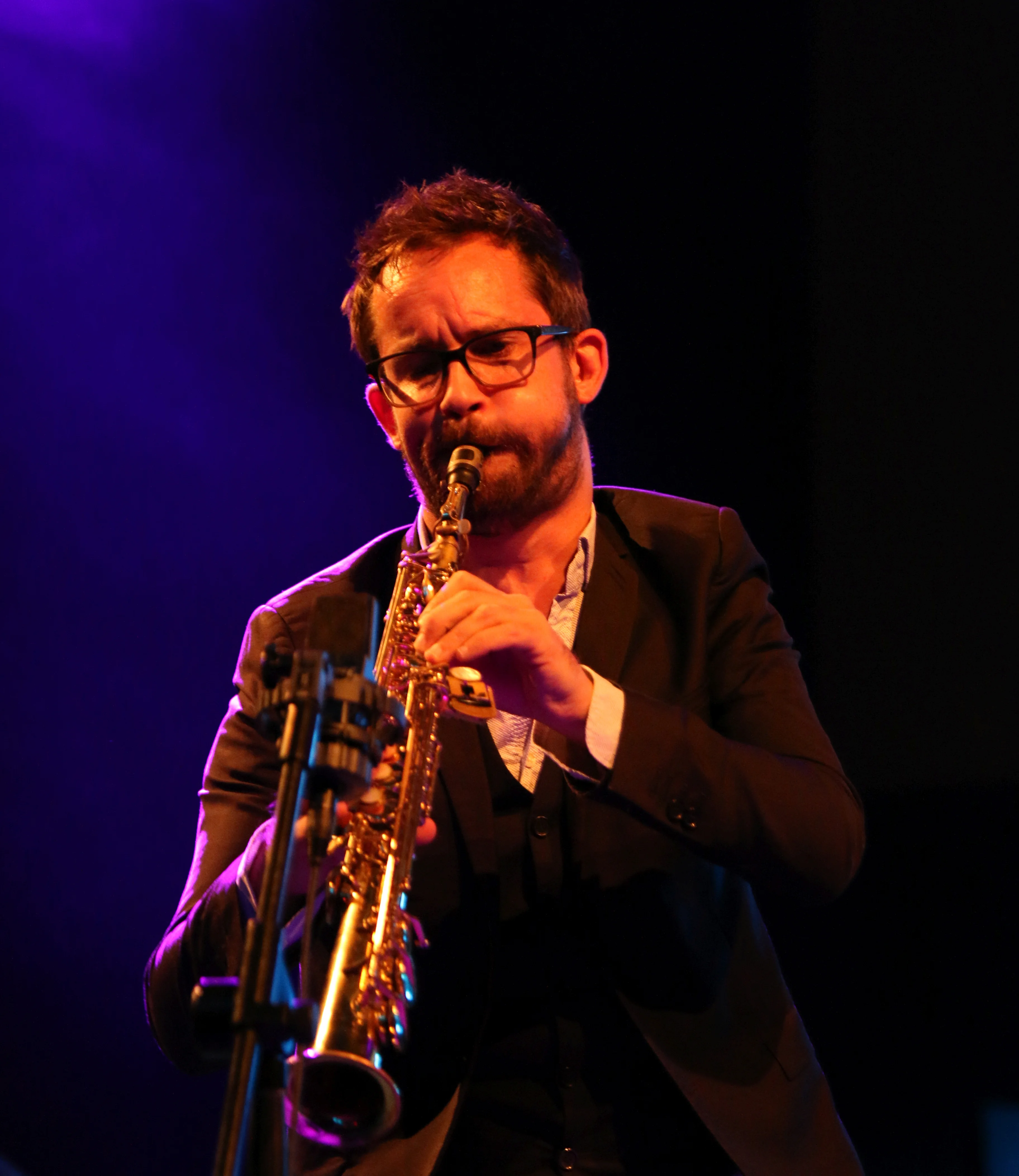
Michael Wollny and Émile Parisien in Bayreuth
Bayreuth experiences a jazz evening full of tension and sound depth: Michael Wollny and Émile Parisien meet at the Steingraeber-Palais. #Jazz #Bayreuth

Hania Derej Quintet
An evening full of fine jazz colors and intimate live atmosphere in Bayreuth. Hania Derej Quintet performs at Steingraeber Palace on 16.05.2026. #Jazz

Marco Mezquida Trio
Bayreuth experiences a sensitive jazz evening with the Marco Mezquida Trio: TÁCTIL, groove, and great emotions in the Steingraeber-Hoftheater. #Jazz #Bayreuth

Sharon Mansur Trio
Bayreuth experiences a trio between jazz, metal, and electronics: Sharon Mansur live at the Steingraeber-Hoftheater. 17.05.2026, 27 Euros. #JazzLive

Anja Silja in the Rococo Hall with Richard van Schoor
Anja Silja in the Rococo Hall Bayreuth: fine melodramas, historical Liszt grand piano, and a discussion with artistic depth. 23.05.2026, 25 €. #Bayreuth #Theater

Aurelia Visovan at the Liszt Piano
A Liszt evening with a guarantee of goosebumps in Bayreuth: Aurelia Vișovan plays the 12 Grandes Études on the Liszt piano in the Rococo Hall. #Bayreuth #Liszt #Concert
Young Master Pianists – Prof. Rubinova & Prof. Hammer – University of Augsburg
An evening full of sound depth and young virtuosity in the Steingraeber Chamber Music Hall Bayreuth. The University of Augsburg presents great piano art on June 18, 2026. #Bayreuth

Pablo Held Trio feat. Alexandra Ridout and Marta Wajdzik
Bayreuth gets a special jazz evening: Pablo Held Trio celebrates 20 years with guests from England and Poland. 10.07.2026, 30 euros. #JazzLive
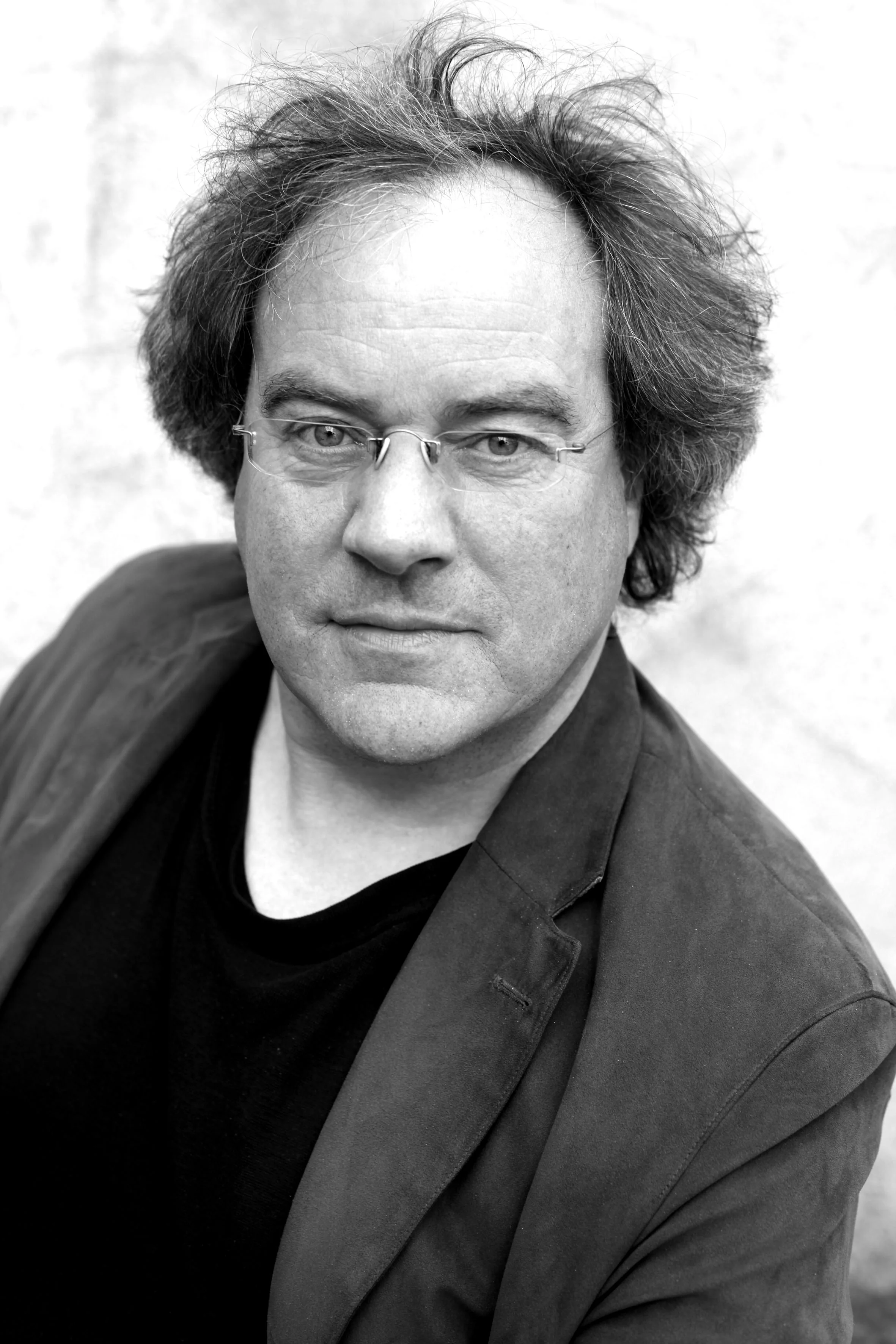
The Ring - rebooted
Wagner's Ring as a clever theatrical fireworks in Bayreuth: cheeky, poetic, surprising. On 18.07.2026 at the Steingraeber Court Theatre. Discover now! #Bayreuth #Theater

Book Presentation: From Bayreuth to Auschwitz with Prof. Dr. Anno Mungen
A clever morning in the Rococo Hall Bayreuth: Prof. Dr. Anno Mungen presents From Bayreuth to Auschwitz. Free admission, strong themes, strong atmosphere. #Bayreuth #Literature
Frequently Asked Questions
Reviews
Careless Angel
13. August 2024
If your child can play the piano, this is a very good place.
Will Keller
5. August 2024
Simon was an incredible resource during my visit. I had been in Germany for less than a couple hours and my first stop on my trip turned out to be one of the most enjoyable and informative experiences I have had in the field of piano craftsmanship. Wonderful brand, beautiful pianos, high quality employees!
Doug Chapman
1. August 2022
The best piano manufacturer in the world with the best team of craftsmen and women. As a piano technician I’ve visited twice for training and always find all the staff and Steingraeber family to be kind, welcoming and hospitable. I would recommend any piano enthusiasts to visit for a tour and, if you can, to purchase a Steingraeber piano! You won’t be disappointed! 🎹
Samuele Dell'Oro
6. June 2016
Beautiful factory of one of the most important traditions of German music. Steingraeber represents one of the best piano manufacturers in the world. Mr. Udo Steingraeber is a very kind person.
Wanwisa Van Dijk
11. June 2022
Lot's and lot's of pianos. Hostess is very kind. She let our son try on many pianos.