
Bayreuth
Opernstraße 14, 95444 Bayreuth, Deutschland
Margravial Opera House Bayreuth | Tickets & Opening Hours
The Margravial Opera House in Bayreuth is much more than an impressive historical building: it is a vibrant symbol of baroque festival culture, courtly representation, and extraordinary theater history. Today, those searching for tickets, opening hours, directions, parking, photos, or reviews encounter a location that has fascinated for centuries and has remarkably remained usable. The house has been a UNESCO World Heritage Site since 2012 and is considered the best-preserved example of a free-standing baroque court theater. In its overall appearance, it combines architectural elegance, craftsmanship precision, and an atmosphere that immediately transports visitors to the 18th century. With up to 500 seats, the opera house offers an intimate yet representative setting for cultural enjoyment at the highest level. The unique mix of museum visit, historical space, concert venue, and event location makes the house one of the most distinctive destinations in Bayreuth. This is precisely why a closer look at its history, architecture, visitor information, and current events is worthwhile. ([whc.unesco.org](https://whc.unesco.org/en/list/1379))
Tickets, Opening Hours, and Admission Prices
For many visitors, the most important question is quite practical: How do I get in, what is the admission fee, and when is it open? The official visitor information states that the Margravial Opera House has daily opening hours with clear seasonal times. From January to March, the house is accessible from 10 AM to 4 PM, from April to September from 9 AM to 6 PM, and from October to December from 10 AM to 5 PM. Additionally, the administration points out that there may be temporary closures due to event rehearsals. There are also fixed closing days on holidays, including January 1, Shrove Tuesday, and December 24, 25, and 31. For SEO searches regarding opening hours, this is particularly relevant because many guests plan their Bayreuth visit at short notice and rely on current information. This is exactly why the official website is the most reliable source for day-to-day planning. ([schloesser.bayern.de](https://www.schloesser.bayern.de/deutsch/schloss/objekte/bay_oper.htm))
The opera house also relies on clear structure for admission: For 2026, the Bavarian Palace Administration states a regular price of 10 euros and a reduced price of 9 euros for the Margravial Opera House: World Heritage & Museum. Those who want to see more can use combination tickets, such as with the New Palace. The total ticket “The World of Wilhelmine” opens up several Bayreuth sites and is especially useful for guests who wish to explore Bayreuth as a cultural city more intensively. Guests can purchase their admission ticket at the opera house box office; additionally, online purchase through the official ticket shop is possible. This makes travel more flexible and reduces waiting times on-site. For families and younger guests, it is important to note: Children and teenagers up to the age of 18 receive free admission. This makes the UNESCO World Heritage Site not only a monument but also an accessible educational place. ([schloesser.bayern.de](https://www.schloesser.bayern.de/deutsch/schloss/objekte/bay_oper.htm))
Content-wise, the ticket purchase is closely linked to the museum concept. Those visiting the opera house not only experience the auditorium but also the supplementary exhibition in the adjacent historical building section. This means: Admission is not just a ticket for a monument, but access to a multifaceted narrative about baroque theater practice, courtly culture, and the history of Bayreuth. This connection is particularly important for search queries like tickets, box office, price, or visit, as the house today functions as a cultural destination with museum educational value. The official communication makes it clear that both spontaneous visitors and planning travelers are addressed here. Thus, the opera house remains a place for locals, day visitors, and cultural travelers alike. ([schloesser.bayern.de](https://www.schloesser.bayern.de/deutsch/schloss/objekte/bay_oper.htm))
Directions, Parking, and Accessibility
For those arriving by car, the Margravial Opera House is located in the heart of Bayreuth's city center. The official address is Opernstraße 14, 95444 Bayreuth. It is particularly helpful for visitors that Bayreuth describes its city center as a well-developed parking zone with parking garages, underground garages, and more than 6,000 public and private parking spaces. The city also points out that many parking spaces are subject to fees, may be time-limited, and that parking rules should be closely observed. For search queries like parking and directions, this is central because the opera house is located in a historic city center where the destination is best reached with a short walking distance from the parking lot. Especially around the UNESCO World Heritage Site, good preparation is advisable, as city traffic, events, and visiting times can influence the schedule. ([schloesser.bayern.de](https://www.schloesser.bayern.de/deutsch/schloss/objekte/bay_oper.htm))
For guests with mobility restrictions, the house offers specific assistance. The official service page lists three designated disabled parking spaces in the parking lot on Münzgasse behind the opera house, about 200 meters from the entrance, as well as two additional disabled parking spaces on Wölfelstraße. The museum visit is accessible via a barrier-free museum entrance, and all important areas inside are accessible without steps or via elevator. Seating is also available, the pathways are level and slip-resistant, and there is a disabled toilet on the ground floor as well as wheelchair-accessible lockers. For evening events, a step-free access is described through one of the entrance doors. This is an important argument for planning for people specifically searching for barrier-free access, disabled parking, or accessibility. ([bayreuth-wilhelmine.de](https://www.bayreuth-wilhelmine.de/deutsch/tourist/mobilitaet_opernhaus.htm))
The opera house is also well integrated for those arriving by public transport. The official visitor information refers to the bus connection to Luitpoldplatz; from there, it is only a few minutes on foot. Additionally, the visitor information mentions train travel via Bayreuth and refers to the city center parking options and the site plan. For guests traveling without their own car, this is particularly pleasant, as the visit to the opera house can be combined with a walk through the city center, the New Palace, or other attractions. Bayreuth positions the opera house as an urban cultural anchor, not as a remote excursion destination. This makes it attractive for day visitors, culture enthusiasts, and guests who want to connect multiple stops in one day. ([schloesser.bayern.de](https://www.schloesser.bayern.de/deutsch/schloss/objekte/bay_oper.htm))
History, Wilhelmine, and UNESCO World Heritage
The history of the Margravial Opera House begins with the cultural ambition of Margravine Wilhelmine of Brandenburg-Bayreuth. She was the driving force behind the project, which was created on the occasion of the wedding of her only daughter Elisabeth Friederike Sophie to Duke Carl Eugen of Württemberg. The construction phase is officially stated as 1744 to 1748; the ceremonial establishment of the house is thus directly in the context of baroque representation and courtly festival culture. For the planning, Giuseppe Galli Bibiena was commissioned, one of the leading theater architects of his time, while his son Carlo Galli Bibiena took over the construction supervision on-site and created numerous stage designs and festival decorations. This historical constellation explains why the opera house is not just a theater but a total work of art of courtly staging. ([schloesser.bayern.de](https://www.schloesser.bayern.de/deutsch/schloss/objekte/bay_oper.htm))
UNESCO describes the building as a masterpiece of baroque theater architecture and as a fully preserved example of a court opera house, where baroque opera culture and acoustics remain authentically experienceable. Particularly highlighted are the historical urban planning location in public space, the baroque facade, the original roof structure with a span of 25 meters, and the internal structure consisting of foyer, box theater, and stage area. The fact that the house was included in the World Heritage List in 2012 is not a formal addition but an expression of its international significance. In the history of theater architecture, it marks an important step: a free-standing court opera house that is not part of a palace but acts as an independent building in the city. This thereby takes a pioneering role for later public opera houses of the 19th century. ([whc.unesco.org](https://whc.unesco.org/en/list/1379))
For visitors, this history is palpable because the house functions not as an abstract museum but as a staged space. The court society of the 18th century is not only explained but spatially made tangible: the princely box opposite the stage portal, the representative order of the boxes, and the connection of music, power, and ceremony. Therefore, those searching for history, UNESCO, Wilhelmine, or baroque opera will find here not just a mere monument but a stage of historical self-staging. It is precisely this dense connection of political history and aesthetic form that makes the opera house one of the most readable monuments in the region. It is a place where Bayreuth's margravial past remains immediately visible. ([schloesser.bayern.de](https://www.schloesser.bayern.de/deutsch/schloss/objekte/bay_oper.htm))
Architecture, Box Theater, and Restoration
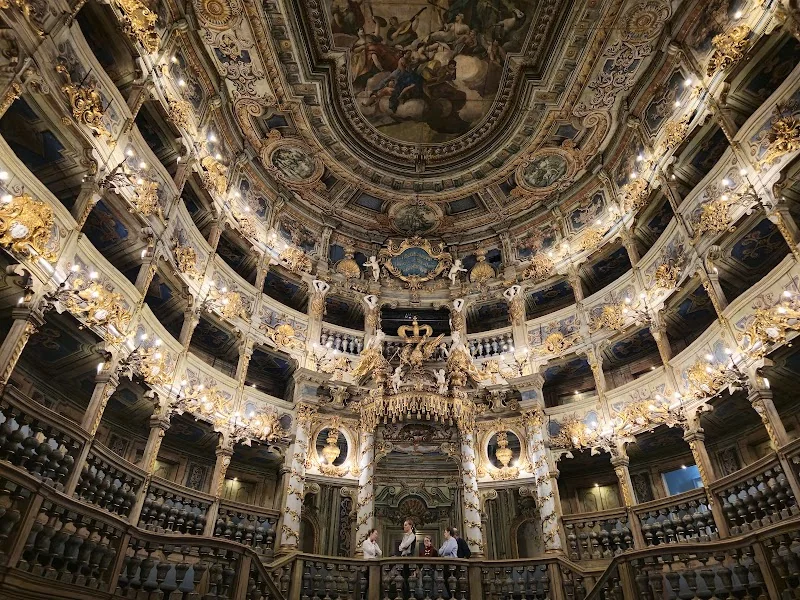
Architecturally, the Margravial Opera House follows the type of Italian box theater. Its uniqueness lies in the combination of a stone shell and a fully preserved interior made of wood and canvas, which was installed as a self-supporting structure in the building. This construction method explains why the house is considered extraordinarily authentic: not only the form but also the materials, surfaces, and spatial proportions come from the time of its creation and convey an impression of the baroque theater space as it was conceived in the 18th century. The construction time was short and ambitious at the same time; in less than four years, a festival theater was created that derives its effect from symmetry, decor, and illusionistic painting. This is particularly important for search queries for photos or impressive, as the interior visually ranks among the most spectacular historical spaces in Germany. ([schloesser.bayern.de](https://www.schloesser.bayern.de/deutsch/schloss/objekte/bay_oper.htm))
The restoration between 2013 and 2018 played a crucial role in today's perception. It is officially emphasized that this allowed for a recovery of the original color impression and that the baroque painting with its illusionistic effects creates an overwhelming spatial experience. This is not only relevant for restoration but also for digital representation and the SEO demand for images and interior views. Because the opera house thrives on the fact that its spatial effect impresses from afar as well as up close. The historical furnishings are not merely a decorative frame but part of a comprehensive concept that brings together architecture, painting, sculpture, and courtly symbolism. The princely box opposite the stage portal and the sculpture ensembles at the front and back of the auditorium also show the political imagery of the Hohenzollerns and the clients. Thus, architecture here becomes an instrument of representation. ([schloesser.bayern.de](https://www.schloesser.bayern.de/deutsch/schloss/objekte/bay_oper.htm))
The urban planning context is also part of the architectural quality. UNESCO points to the sandstone facade and the location in an urban space specifically planned for this building. The opera house thus does not stand isolated in the landscape but as a central component of a historical urban structure. This integration makes it particularly appealing for visitors because the way to the house itself is already part of the experience. Between Opernstraße, city center, and other margravial attractions, a cultural walk is created that makes Bayreuth's history readable. Therefore, those visiting the opera house experience not just a space but an ensemble of building, city, and memory. This is one of the reasons why the house is among the most photogenic and culturally historically significant places in the city. ([whc.unesco.org](https://whc.unesco.org/en/list/1379))
Museum, Exhibition, and World Heritage Information Center
Since April 2023, the historic opera house has been complemented by an adjacent museum with a World Heritage Information Center. The Bayreuth tourism site and the Bavarian Palace Administration describe the exhibition rooms in the former comedy and ballroom as a place where baroque theater practice is experienceable on and behind the stage. Interactive stations, models, and originals convey not only the history of the building but also the music and theater landscape of the 18th century. This is particularly relevant for search queries like museum, information, and exhibition because here a classic monument is supplemented by a modern mediation level. The visit thus does not stop at mere viewing but becomes an active engagement with baroque theater, court culture, and theater technology. ([bayreuth-tourismus.de](https://www.bayreuth-tourismus.de/sehenswertes/wilhelmine/markgraefliches-opernhaus/))
The museum is content-wise closely linked to the construction and usage history of the house. The exhibition highlights the role of Margravine Wilhelmine, the function of the theater in courtly everyday life, and the theater history of Bayreuth. This makes the visit attractive for families, school classes, and culture-interested groups. The Bavarian Palace Administration also refers to a free museum app available for adults in several languages as well as for children, offering audio descriptions, sign language, and easy language. This ensures that the opera house is not only preserved as a monument but further developed as an educational site. The place thus fulfills two tasks simultaneously: it conserves the historical heritage and opens it up with contemporary mediation forms for a broad audience. ([bayreuth-wilhelmine.de](https://www.bayreuth-wilhelmine.de/deutsch/opernh/index.htm))
For SEO and user expectations, this connection is important because search queries for photos or reviews often seek an immediate impression of the visit experience. The exhibition delivers exactly this experience: it shows how stage, backdrop, and representation interact and how baroque festival culture can be vividly narrated today. Thus, the museum visit complements the historical architecture with context, orientation, and narrative. Those who perceive the opera house merely as a beautiful building see the surface; those who visit the information center understand the deeper connections. For Bayreuth, this is an important building block because the opera house thus remains not just a monument but functions as a vibrant cultural site. ([bayreuth-tourismus.de](https://www.bayreuth-tourismus.de/sehenswertes/wilhelmine/markgraefliches-opernhaus/))
Events, Bayreuth Baroque, and Program
Another reason for the continued popularity of the Margravial Opera House is its role as a venue for special events. The house does not have a fixed ensemble, but throughout the year, concerts of various styles and organizers take place there. Particularly formative is the international Bayreuth Baroque Opera Festival, which has been held at the opera house since September 2020 and focuses on the rediscovery of baroque or rarely performed stage works. The Bayreuth tourism site describes the festival as an annual highlight that musically revitalizes one of the most beautiful opera houses in the world. For searches related to program, events, or baroque opera, this is a central anchor because here monument preservation and musical life connect directly. ([bayreuth-tourismus.de](https://www.bayreuth-tourismus.de/sehenswertes/wilhelmine/markgraefliches-opernhaus/))
The program for 2026 shows very concretely how lively the house is used today. Between September 4 and 13, 2026, several performances and concerts are scheduled, including Handel's opera Floridante at the Margravial Opera House. Tickets are available according to the event page through the Bayreuth theater box office or online. For culture-interested travelers, the opera house is thus not only a sightseeing destination but also a place with a current music program. This is particularly relevant for search queries like Bayreuth baroque or Margravial Opera House program because the event reference creates a clear added value compared to a purely static attraction. The historical ambiance is not frozen in a museum-like manner but is once again filled with sound through live performances. ([bayreuth-tourismus.de](https://www.bayreuth-tourismus.de/musikfestivals/bayreuther-barock/))
The Bayreuth Residence Days and other seasonal formats also play a role. The Bavarian Palace Administration announces the Bayreuth & Sanspareil Residence Days for May 2026, during which the Margravial Opera House will be part of a multi-day cultural program with themed tours, interactive stations, dance, music, and theater. Such events make the opera house exciting for families and multi-day guests. Those who only associate Bayreuth with the festivals overlook the diversity of the margravial heritage. The opera house is therefore an important component of the city's cultural calendar and a place where historical identity meets current cultural mediation. ([schloesser.bayern.de](https://www.schloesser.bayern.de/))
Photos, Impressions, and Spatial Effect
Those searching for photos of the Margravial Opera House are usually looking for an impression of the unique atmosphere. This impression is fulfilled by the house at first glance: the auditorium with its boxes, golden details, and clear spatial order appears both splendid and surprisingly intimate. The official tourism site describes the interior as a baroque theater experience, while UNESCO highlights the original materiality of wood and canvas. This creates an image effect that is rare in the German theater landscape. The opera house is not an anonymous large theater but a finely proportioned representation space whose photographic quality consists of light, color, and ornament. For visitors, this is important because the house unfolds its effect not only in detail but as a total space. ([bayreuth-tourismus.de](https://www.bayreuth-tourismus.de/sehenswertes/wilhelmine/markgraefliches-opernhaus/))
The strong visual presence also explains why the opera house is regularly highlighted in reviews and travel reports. Although no individual voices are evaluated here, the official descriptions clearly show which elements shape the place: the princely box, the stage portal, the illusionistic painting, and the fully preserved box architecture. Those who photograph the opera house document not only a beautiful object but a space that architecturally stages power, art, and festivity. Therefore, the building appears strong both in close-ups and in overall views. For social media, travel planning, and cultural inspiration, this is an important advantage. The house provides motifs that are immediately identifiable as Bayreuth and simultaneously convey a historical depth. ([schloesser.bayern.de](https://www.schloesser.bayern.de/deutsch/schloss/objekte/bay_oper.htm))
Even outside the auditorium, the spatial effect remains remarkable. The sandstone facade and the integration into Opernstraße ensure that the opera house is already present in the urban space. Between the interior and exterior, an exciting contrast arises: outside the historic city, inside the baroque total work of art. This tension is one reason why search queries for photos, historical ambiance, or special atmosphere are so frequently associated with the opera house. The place is photogenic but not superficial; it appears representative without losing its historical authenticity. It is precisely this interplay of authenticity and visual radiance that makes the Margravial Opera House one of the most impressive sights in Bayreuth. ([whc.unesco.org](https://whc.unesco.org/en/list/1379))
Sources:
- Bavarian Palace Administration - Margravial Opera House: World Heritage & Museum
- Bayreuth Marketing & Tourism - Margravial Opera House: UNESCO World Heritage
- UNESCO World Heritage Centre - Margravial Opera House Bayreuth
- Bayreuth Marketing & Tourism - Parking in Bayreuth: All Information
- Bayreuth Marketing & Tourism - BAYREUTH BAROQUE Opera Festival
- Bavarian Palace Administration - Accessibility at the Margravial Opera House
Show moreShow less
Margravial Opera House Bayreuth | Tickets & Opening Hours
The Margravial Opera House in Bayreuth is much more than an impressive historical building: it is a vibrant symbol of baroque festival culture, courtly representation, and extraordinary theater history. Today, those searching for tickets, opening hours, directions, parking, photos, or reviews encounter a location that has fascinated for centuries and has remarkably remained usable. The house has been a UNESCO World Heritage Site since 2012 and is considered the best-preserved example of a free-standing baroque court theater. In its overall appearance, it combines architectural elegance, craftsmanship precision, and an atmosphere that immediately transports visitors to the 18th century. With up to 500 seats, the opera house offers an intimate yet representative setting for cultural enjoyment at the highest level. The unique mix of museum visit, historical space, concert venue, and event location makes the house one of the most distinctive destinations in Bayreuth. This is precisely why a closer look at its history, architecture, visitor information, and current events is worthwhile. ([whc.unesco.org](https://whc.unesco.org/en/list/1379))
Tickets, Opening Hours, and Admission Prices
For many visitors, the most important question is quite practical: How do I get in, what is the admission fee, and when is it open? The official visitor information states that the Margravial Opera House has daily opening hours with clear seasonal times. From January to March, the house is accessible from 10 AM to 4 PM, from April to September from 9 AM to 6 PM, and from October to December from 10 AM to 5 PM. Additionally, the administration points out that there may be temporary closures due to event rehearsals. There are also fixed closing days on holidays, including January 1, Shrove Tuesday, and December 24, 25, and 31. For SEO searches regarding opening hours, this is particularly relevant because many guests plan their Bayreuth visit at short notice and rely on current information. This is exactly why the official website is the most reliable source for day-to-day planning. ([schloesser.bayern.de](https://www.schloesser.bayern.de/deutsch/schloss/objekte/bay_oper.htm))
The opera house also relies on clear structure for admission: For 2026, the Bavarian Palace Administration states a regular price of 10 euros and a reduced price of 9 euros for the Margravial Opera House: World Heritage & Museum. Those who want to see more can use combination tickets, such as with the New Palace. The total ticket “The World of Wilhelmine” opens up several Bayreuth sites and is especially useful for guests who wish to explore Bayreuth as a cultural city more intensively. Guests can purchase their admission ticket at the opera house box office; additionally, online purchase through the official ticket shop is possible. This makes travel more flexible and reduces waiting times on-site. For families and younger guests, it is important to note: Children and teenagers up to the age of 18 receive free admission. This makes the UNESCO World Heritage Site not only a monument but also an accessible educational place. ([schloesser.bayern.de](https://www.schloesser.bayern.de/deutsch/schloss/objekte/bay_oper.htm))
Content-wise, the ticket purchase is closely linked to the museum concept. Those visiting the opera house not only experience the auditorium but also the supplementary exhibition in the adjacent historical building section. This means: Admission is not just a ticket for a monument, but access to a multifaceted narrative about baroque theater practice, courtly culture, and the history of Bayreuth. This connection is particularly important for search queries like tickets, box office, price, or visit, as the house today functions as a cultural destination with museum educational value. The official communication makes it clear that both spontaneous visitors and planning travelers are addressed here. Thus, the opera house remains a place for locals, day visitors, and cultural travelers alike. ([schloesser.bayern.de](https://www.schloesser.bayern.de/deutsch/schloss/objekte/bay_oper.htm))
Directions, Parking, and Accessibility
For those arriving by car, the Margravial Opera House is located in the heart of Bayreuth's city center. The official address is Opernstraße 14, 95444 Bayreuth. It is particularly helpful for visitors that Bayreuth describes its city center as a well-developed parking zone with parking garages, underground garages, and more than 6,000 public and private parking spaces. The city also points out that many parking spaces are subject to fees, may be time-limited, and that parking rules should be closely observed. For search queries like parking and directions, this is central because the opera house is located in a historic city center where the destination is best reached with a short walking distance from the parking lot. Especially around the UNESCO World Heritage Site, good preparation is advisable, as city traffic, events, and visiting times can influence the schedule. ([schloesser.bayern.de](https://www.schloesser.bayern.de/deutsch/schloss/objekte/bay_oper.htm))
For guests with mobility restrictions, the house offers specific assistance. The official service page lists three designated disabled parking spaces in the parking lot on Münzgasse behind the opera house, about 200 meters from the entrance, as well as two additional disabled parking spaces on Wölfelstraße. The museum visit is accessible via a barrier-free museum entrance, and all important areas inside are accessible without steps or via elevator. Seating is also available, the pathways are level and slip-resistant, and there is a disabled toilet on the ground floor as well as wheelchair-accessible lockers. For evening events, a step-free access is described through one of the entrance doors. This is an important argument for planning for people specifically searching for barrier-free access, disabled parking, or accessibility. ([bayreuth-wilhelmine.de](https://www.bayreuth-wilhelmine.de/deutsch/tourist/mobilitaet_opernhaus.htm))
The opera house is also well integrated for those arriving by public transport. The official visitor information refers to the bus connection to Luitpoldplatz; from there, it is only a few minutes on foot. Additionally, the visitor information mentions train travel via Bayreuth and refers to the city center parking options and the site plan. For guests traveling without their own car, this is particularly pleasant, as the visit to the opera house can be combined with a walk through the city center, the New Palace, or other attractions. Bayreuth positions the opera house as an urban cultural anchor, not as a remote excursion destination. This makes it attractive for day visitors, culture enthusiasts, and guests who want to connect multiple stops in one day. ([schloesser.bayern.de](https://www.schloesser.bayern.de/deutsch/schloss/objekte/bay_oper.htm))
History, Wilhelmine, and UNESCO World Heritage
The history of the Margravial Opera House begins with the cultural ambition of Margravine Wilhelmine of Brandenburg-Bayreuth. She was the driving force behind the project, which was created on the occasion of the wedding of her only daughter Elisabeth Friederike Sophie to Duke Carl Eugen of Württemberg. The construction phase is officially stated as 1744 to 1748; the ceremonial establishment of the house is thus directly in the context of baroque representation and courtly festival culture. For the planning, Giuseppe Galli Bibiena was commissioned, one of the leading theater architects of his time, while his son Carlo Galli Bibiena took over the construction supervision on-site and created numerous stage designs and festival decorations. This historical constellation explains why the opera house is not just a theater but a total work of art of courtly staging. ([schloesser.bayern.de](https://www.schloesser.bayern.de/deutsch/schloss/objekte/bay_oper.htm))
UNESCO describes the building as a masterpiece of baroque theater architecture and as a fully preserved example of a court opera house, where baroque opera culture and acoustics remain authentically experienceable. Particularly highlighted are the historical urban planning location in public space, the baroque facade, the original roof structure with a span of 25 meters, and the internal structure consisting of foyer, box theater, and stage area. The fact that the house was included in the World Heritage List in 2012 is not a formal addition but an expression of its international significance. In the history of theater architecture, it marks an important step: a free-standing court opera house that is not part of a palace but acts as an independent building in the city. This thereby takes a pioneering role for later public opera houses of the 19th century. ([whc.unesco.org](https://whc.unesco.org/en/list/1379))
For visitors, this history is palpable because the house functions not as an abstract museum but as a staged space. The court society of the 18th century is not only explained but spatially made tangible: the princely box opposite the stage portal, the representative order of the boxes, and the connection of music, power, and ceremony. Therefore, those searching for history, UNESCO, Wilhelmine, or baroque opera will find here not just a mere monument but a stage of historical self-staging. It is precisely this dense connection of political history and aesthetic form that makes the opera house one of the most readable monuments in the region. It is a place where Bayreuth's margravial past remains immediately visible. ([schloesser.bayern.de](https://www.schloesser.bayern.de/deutsch/schloss/objekte/bay_oper.htm))
Architecture, Box Theater, and Restoration
Architecturally, the Margravial Opera House follows the type of Italian box theater. Its uniqueness lies in the combination of a stone shell and a fully preserved interior made of wood and canvas, which was installed as a self-supporting structure in the building. This construction method explains why the house is considered extraordinarily authentic: not only the form but also the materials, surfaces, and spatial proportions come from the time of its creation and convey an impression of the baroque theater space as it was conceived in the 18th century. The construction time was short and ambitious at the same time; in less than four years, a festival theater was created that derives its effect from symmetry, decor, and illusionistic painting. This is particularly important for search queries for photos or impressive, as the interior visually ranks among the most spectacular historical spaces in Germany. ([schloesser.bayern.de](https://www.schloesser.bayern.de/deutsch/schloss/objekte/bay_oper.htm))
The restoration between 2013 and 2018 played a crucial role in today's perception. It is officially emphasized that this allowed for a recovery of the original color impression and that the baroque painting with its illusionistic effects creates an overwhelming spatial experience. This is not only relevant for restoration but also for digital representation and the SEO demand for images and interior views. Because the opera house thrives on the fact that its spatial effect impresses from afar as well as up close. The historical furnishings are not merely a decorative frame but part of a comprehensive concept that brings together architecture, painting, sculpture, and courtly symbolism. The princely box opposite the stage portal and the sculpture ensembles at the front and back of the auditorium also show the political imagery of the Hohenzollerns and the clients. Thus, architecture here becomes an instrument of representation. ([schloesser.bayern.de](https://www.schloesser.bayern.de/deutsch/schloss/objekte/bay_oper.htm))
The urban planning context is also part of the architectural quality. UNESCO points to the sandstone facade and the location in an urban space specifically planned for this building. The opera house thus does not stand isolated in the landscape but as a central component of a historical urban structure. This integration makes it particularly appealing for visitors because the way to the house itself is already part of the experience. Between Opernstraße, city center, and other margravial attractions, a cultural walk is created that makes Bayreuth's history readable. Therefore, those visiting the opera house experience not just a space but an ensemble of building, city, and memory. This is one of the reasons why the house is among the most photogenic and culturally historically significant places in the city. ([whc.unesco.org](https://whc.unesco.org/en/list/1379))
Museum, Exhibition, and World Heritage Information Center
Since April 2023, the historic opera house has been complemented by an adjacent museum with a World Heritage Information Center. The Bayreuth tourism site and the Bavarian Palace Administration describe the exhibition rooms in the former comedy and ballroom as a place where baroque theater practice is experienceable on and behind the stage. Interactive stations, models, and originals convey not only the history of the building but also the music and theater landscape of the 18th century. This is particularly relevant for search queries like museum, information, and exhibition because here a classic monument is supplemented by a modern mediation level. The visit thus does not stop at mere viewing but becomes an active engagement with baroque theater, court culture, and theater technology. ([bayreuth-tourismus.de](https://www.bayreuth-tourismus.de/sehenswertes/wilhelmine/markgraefliches-opernhaus/))
The museum is content-wise closely linked to the construction and usage history of the house. The exhibition highlights the role of Margravine Wilhelmine, the function of the theater in courtly everyday life, and the theater history of Bayreuth. This makes the visit attractive for families, school classes, and culture-interested groups. The Bavarian Palace Administration also refers to a free museum app available for adults in several languages as well as for children, offering audio descriptions, sign language, and easy language. This ensures that the opera house is not only preserved as a monument but further developed as an educational site. The place thus fulfills two tasks simultaneously: it conserves the historical heritage and opens it up with contemporary mediation forms for a broad audience. ([bayreuth-wilhelmine.de](https://www.bayreuth-wilhelmine.de/deutsch/opernh/index.htm))
For SEO and user expectations, this connection is important because search queries for photos or reviews often seek an immediate impression of the visit experience. The exhibition delivers exactly this experience: it shows how stage, backdrop, and representation interact and how baroque festival culture can be vividly narrated today. Thus, the museum visit complements the historical architecture with context, orientation, and narrative. Those who perceive the opera house merely as a beautiful building see the surface; those who visit the information center understand the deeper connections. For Bayreuth, this is an important building block because the opera house thus remains not just a monument but functions as a vibrant cultural site. ([bayreuth-tourismus.de](https://www.bayreuth-tourismus.de/sehenswertes/wilhelmine/markgraefliches-opernhaus/))
Events, Bayreuth Baroque, and Program
Another reason for the continued popularity of the Margravial Opera House is its role as a venue for special events. The house does not have a fixed ensemble, but throughout the year, concerts of various styles and organizers take place there. Particularly formative is the international Bayreuth Baroque Opera Festival, which has been held at the opera house since September 2020 and focuses on the rediscovery of baroque or rarely performed stage works. The Bayreuth tourism site describes the festival as an annual highlight that musically revitalizes one of the most beautiful opera houses in the world. For searches related to program, events, or baroque opera, this is a central anchor because here monument preservation and musical life connect directly. ([bayreuth-tourismus.de](https://www.bayreuth-tourismus.de/sehenswertes/wilhelmine/markgraefliches-opernhaus/))
The program for 2026 shows very concretely how lively the house is used today. Between September 4 and 13, 2026, several performances and concerts are scheduled, including Handel's opera Floridante at the Margravial Opera House. Tickets are available according to the event page through the Bayreuth theater box office or online. For culture-interested travelers, the opera house is thus not only a sightseeing destination but also a place with a current music program. This is particularly relevant for search queries like Bayreuth baroque or Margravial Opera House program because the event reference creates a clear added value compared to a purely static attraction. The historical ambiance is not frozen in a museum-like manner but is once again filled with sound through live performances. ([bayreuth-tourismus.de](https://www.bayreuth-tourismus.de/musikfestivals/bayreuther-barock/))
The Bayreuth Residence Days and other seasonal formats also play a role. The Bavarian Palace Administration announces the Bayreuth & Sanspareil Residence Days for May 2026, during which the Margravial Opera House will be part of a multi-day cultural program with themed tours, interactive stations, dance, music, and theater. Such events make the opera house exciting for families and multi-day guests. Those who only associate Bayreuth with the festivals overlook the diversity of the margravial heritage. The opera house is therefore an important component of the city's cultural calendar and a place where historical identity meets current cultural mediation. ([schloesser.bayern.de](https://www.schloesser.bayern.de/))
Photos, Impressions, and Spatial Effect
Those searching for photos of the Margravial Opera House are usually looking for an impression of the unique atmosphere. This impression is fulfilled by the house at first glance: the auditorium with its boxes, golden details, and clear spatial order appears both splendid and surprisingly intimate. The official tourism site describes the interior as a baroque theater experience, while UNESCO highlights the original materiality of wood and canvas. This creates an image effect that is rare in the German theater landscape. The opera house is not an anonymous large theater but a finely proportioned representation space whose photographic quality consists of light, color, and ornament. For visitors, this is important because the house unfolds its effect not only in detail but as a total space. ([bayreuth-tourismus.de](https://www.bayreuth-tourismus.de/sehenswertes/wilhelmine/markgraefliches-opernhaus/))
The strong visual presence also explains why the opera house is regularly highlighted in reviews and travel reports. Although no individual voices are evaluated here, the official descriptions clearly show which elements shape the place: the princely box, the stage portal, the illusionistic painting, and the fully preserved box architecture. Those who photograph the opera house document not only a beautiful object but a space that architecturally stages power, art, and festivity. Therefore, the building appears strong both in close-ups and in overall views. For social media, travel planning, and cultural inspiration, this is an important advantage. The house provides motifs that are immediately identifiable as Bayreuth and simultaneously convey a historical depth. ([schloesser.bayern.de](https://www.schloesser.bayern.de/deutsch/schloss/objekte/bay_oper.htm))
Even outside the auditorium, the spatial effect remains remarkable. The sandstone facade and the integration into Opernstraße ensure that the opera house is already present in the urban space. Between the interior and exterior, an exciting contrast arises: outside the historic city, inside the baroque total work of art. This tension is one reason why search queries for photos, historical ambiance, or special atmosphere are so frequently associated with the opera house. The place is photogenic but not superficial; it appears representative without losing its historical authenticity. It is precisely this interplay of authenticity and visual radiance that makes the Margravial Opera House one of the most impressive sights in Bayreuth. ([whc.unesco.org](https://whc.unesco.org/en/list/1379))
Sources:
- Bavarian Palace Administration - Margravial Opera House: World Heritage & Museum
- Bayreuth Marketing & Tourism - Margravial Opera House: UNESCO World Heritage
- UNESCO World Heritage Centre - Margravial Opera House Bayreuth
- Bayreuth Marketing & Tourism - Parking in Bayreuth: All Information
- Bayreuth Marketing & Tourism - BAYREUTH BAROQUE Opera Festival
- Bavarian Palace Administration - Accessibility at the Margravial Opera House
Margravial Opera House Bayreuth | Tickets & Opening Hours
The Margravial Opera House in Bayreuth is much more than an impressive historical building: it is a vibrant symbol of baroque festival culture, courtly representation, and extraordinary theater history. Today, those searching for tickets, opening hours, directions, parking, photos, or reviews encounter a location that has fascinated for centuries and has remarkably remained usable. The house has been a UNESCO World Heritage Site since 2012 and is considered the best-preserved example of a free-standing baroque court theater. In its overall appearance, it combines architectural elegance, craftsmanship precision, and an atmosphere that immediately transports visitors to the 18th century. With up to 500 seats, the opera house offers an intimate yet representative setting for cultural enjoyment at the highest level. The unique mix of museum visit, historical space, concert venue, and event location makes the house one of the most distinctive destinations in Bayreuth. This is precisely why a closer look at its history, architecture, visitor information, and current events is worthwhile. ([whc.unesco.org](https://whc.unesco.org/en/list/1379))
Tickets, Opening Hours, and Admission Prices
For many visitors, the most important question is quite practical: How do I get in, what is the admission fee, and when is it open? The official visitor information states that the Margravial Opera House has daily opening hours with clear seasonal times. From January to March, the house is accessible from 10 AM to 4 PM, from April to September from 9 AM to 6 PM, and from October to December from 10 AM to 5 PM. Additionally, the administration points out that there may be temporary closures due to event rehearsals. There are also fixed closing days on holidays, including January 1, Shrove Tuesday, and December 24, 25, and 31. For SEO searches regarding opening hours, this is particularly relevant because many guests plan their Bayreuth visit at short notice and rely on current information. This is exactly why the official website is the most reliable source for day-to-day planning. ([schloesser.bayern.de](https://www.schloesser.bayern.de/deutsch/schloss/objekte/bay_oper.htm))
The opera house also relies on clear structure for admission: For 2026, the Bavarian Palace Administration states a regular price of 10 euros and a reduced price of 9 euros for the Margravial Opera House: World Heritage & Museum. Those who want to see more can use combination tickets, such as with the New Palace. The total ticket “The World of Wilhelmine” opens up several Bayreuth sites and is especially useful for guests who wish to explore Bayreuth as a cultural city more intensively. Guests can purchase their admission ticket at the opera house box office; additionally, online purchase through the official ticket shop is possible. This makes travel more flexible and reduces waiting times on-site. For families and younger guests, it is important to note: Children and teenagers up to the age of 18 receive free admission. This makes the UNESCO World Heritage Site not only a monument but also an accessible educational place. ([schloesser.bayern.de](https://www.schloesser.bayern.de/deutsch/schloss/objekte/bay_oper.htm))
Content-wise, the ticket purchase is closely linked to the museum concept. Those visiting the opera house not only experience the auditorium but also the supplementary exhibition in the adjacent historical building section. This means: Admission is not just a ticket for a monument, but access to a multifaceted narrative about baroque theater practice, courtly culture, and the history of Bayreuth. This connection is particularly important for search queries like tickets, box office, price, or visit, as the house today functions as a cultural destination with museum educational value. The official communication makes it clear that both spontaneous visitors and planning travelers are addressed here. Thus, the opera house remains a place for locals, day visitors, and cultural travelers alike. ([schloesser.bayern.de](https://www.schloesser.bayern.de/deutsch/schloss/objekte/bay_oper.htm))
Directions, Parking, and Accessibility
For those arriving by car, the Margravial Opera House is located in the heart of Bayreuth's city center. The official address is Opernstraße 14, 95444 Bayreuth. It is particularly helpful for visitors that Bayreuth describes its city center as a well-developed parking zone with parking garages, underground garages, and more than 6,000 public and private parking spaces. The city also points out that many parking spaces are subject to fees, may be time-limited, and that parking rules should be closely observed. For search queries like parking and directions, this is central because the opera house is located in a historic city center where the destination is best reached with a short walking distance from the parking lot. Especially around the UNESCO World Heritage Site, good preparation is advisable, as city traffic, events, and visiting times can influence the schedule. ([schloesser.bayern.de](https://www.schloesser.bayern.de/deutsch/schloss/objekte/bay_oper.htm))
For guests with mobility restrictions, the house offers specific assistance. The official service page lists three designated disabled parking spaces in the parking lot on Münzgasse behind the opera house, about 200 meters from the entrance, as well as two additional disabled parking spaces on Wölfelstraße. The museum visit is accessible via a barrier-free museum entrance, and all important areas inside are accessible without steps or via elevator. Seating is also available, the pathways are level and slip-resistant, and there is a disabled toilet on the ground floor as well as wheelchair-accessible lockers. For evening events, a step-free access is described through one of the entrance doors. This is an important argument for planning for people specifically searching for barrier-free access, disabled parking, or accessibility. ([bayreuth-wilhelmine.de](https://www.bayreuth-wilhelmine.de/deutsch/tourist/mobilitaet_opernhaus.htm))
The opera house is also well integrated for those arriving by public transport. The official visitor information refers to the bus connection to Luitpoldplatz; from there, it is only a few minutes on foot. Additionally, the visitor information mentions train travel via Bayreuth and refers to the city center parking options and the site plan. For guests traveling without their own car, this is particularly pleasant, as the visit to the opera house can be combined with a walk through the city center, the New Palace, or other attractions. Bayreuth positions the opera house as an urban cultural anchor, not as a remote excursion destination. This makes it attractive for day visitors, culture enthusiasts, and guests who want to connect multiple stops in one day. ([schloesser.bayern.de](https://www.schloesser.bayern.de/deutsch/schloss/objekte/bay_oper.htm))
History, Wilhelmine, and UNESCO World Heritage
The history of the Margravial Opera House begins with the cultural ambition of Margravine Wilhelmine of Brandenburg-Bayreuth. She was the driving force behind the project, which was created on the occasion of the wedding of her only daughter Elisabeth Friederike Sophie to Duke Carl Eugen of Württemberg. The construction phase is officially stated as 1744 to 1748; the ceremonial establishment of the house is thus directly in the context of baroque representation and courtly festival culture. For the planning, Giuseppe Galli Bibiena was commissioned, one of the leading theater architects of his time, while his son Carlo Galli Bibiena took over the construction supervision on-site and created numerous stage designs and festival decorations. This historical constellation explains why the opera house is not just a theater but a total work of art of courtly staging. ([schloesser.bayern.de](https://www.schloesser.bayern.de/deutsch/schloss/objekte/bay_oper.htm))
UNESCO describes the building as a masterpiece of baroque theater architecture and as a fully preserved example of a court opera house, where baroque opera culture and acoustics remain authentically experienceable. Particularly highlighted are the historical urban planning location in public space, the baroque facade, the original roof structure with a span of 25 meters, and the internal structure consisting of foyer, box theater, and stage area. The fact that the house was included in the World Heritage List in 2012 is not a formal addition but an expression of its international significance. In the history of theater architecture, it marks an important step: a free-standing court opera house that is not part of a palace but acts as an independent building in the city. This thereby takes a pioneering role for later public opera houses of the 19th century. ([whc.unesco.org](https://whc.unesco.org/en/list/1379))
For visitors, this history is palpable because the house functions not as an abstract museum but as a staged space. The court society of the 18th century is not only explained but spatially made tangible: the princely box opposite the stage portal, the representative order of the boxes, and the connection of music, power, and ceremony. Therefore, those searching for history, UNESCO, Wilhelmine, or baroque opera will find here not just a mere monument but a stage of historical self-staging. It is precisely this dense connection of political history and aesthetic form that makes the opera house one of the most readable monuments in the region. It is a place where Bayreuth's margravial past remains immediately visible. ([schloesser.bayern.de](https://www.schloesser.bayern.de/deutsch/schloss/objekte/bay_oper.htm))
Architecture, Box Theater, and Restoration
Architecturally, the Margravial Opera House follows the type of Italian box theater. Its uniqueness lies in the combination of a stone shell and a fully preserved interior made of wood and canvas, which was installed as a self-supporting structure in the building. This construction method explains why the house is considered extraordinarily authentic: not only the form but also the materials, surfaces, and spatial proportions come from the time of its creation and convey an impression of the baroque theater space as it was conceived in the 18th century. The construction time was short and ambitious at the same time; in less than four years, a festival theater was created that derives its effect from symmetry, decor, and illusionistic painting. This is particularly important for search queries for photos or impressive, as the interior visually ranks among the most spectacular historical spaces in Germany. ([schloesser.bayern.de](https://www.schloesser.bayern.de/deutsch/schloss/objekte/bay_oper.htm))
The restoration between 2013 and 2018 played a crucial role in today's perception. It is officially emphasized that this allowed for a recovery of the original color impression and that the baroque painting with its illusionistic effects creates an overwhelming spatial experience. This is not only relevant for restoration but also for digital representation and the SEO demand for images and interior views. Because the opera house thrives on the fact that its spatial effect impresses from afar as well as up close. The historical furnishings are not merely a decorative frame but part of a comprehensive concept that brings together architecture, painting, sculpture, and courtly symbolism. The princely box opposite the stage portal and the sculpture ensembles at the front and back of the auditorium also show the political imagery of the Hohenzollerns and the clients. Thus, architecture here becomes an instrument of representation. ([schloesser.bayern.de](https://www.schloesser.bayern.de/deutsch/schloss/objekte/bay_oper.htm))
The urban planning context is also part of the architectural quality. UNESCO points to the sandstone facade and the location in an urban space specifically planned for this building. The opera house thus does not stand isolated in the landscape but as a central component of a historical urban structure. This integration makes it particularly appealing for visitors because the way to the house itself is already part of the experience. Between Opernstraße, city center, and other margravial attractions, a cultural walk is created that makes Bayreuth's history readable. Therefore, those visiting the opera house experience not just a space but an ensemble of building, city, and memory. This is one of the reasons why the house is among the most photogenic and culturally historically significant places in the city. ([whc.unesco.org](https://whc.unesco.org/en/list/1379))
Museum, Exhibition, and World Heritage Information Center
Since April 2023, the historic opera house has been complemented by an adjacent museum with a World Heritage Information Center. The Bayreuth tourism site and the Bavarian Palace Administration describe the exhibition rooms in the former comedy and ballroom as a place where baroque theater practice is experienceable on and behind the stage. Interactive stations, models, and originals convey not only the history of the building but also the music and theater landscape of the 18th century. This is particularly relevant for search queries like museum, information, and exhibition because here a classic monument is supplemented by a modern mediation level. The visit thus does not stop at mere viewing but becomes an active engagement with baroque theater, court culture, and theater technology. ([bayreuth-tourismus.de](https://www.bayreuth-tourismus.de/sehenswertes/wilhelmine/markgraefliches-opernhaus/))
The museum is content-wise closely linked to the construction and usage history of the house. The exhibition highlights the role of Margravine Wilhelmine, the function of the theater in courtly everyday life, and the theater history of Bayreuth. This makes the visit attractive for families, school classes, and culture-interested groups. The Bavarian Palace Administration also refers to a free museum app available for adults in several languages as well as for children, offering audio descriptions, sign language, and easy language. This ensures that the opera house is not only preserved as a monument but further developed as an educational site. The place thus fulfills two tasks simultaneously: it conserves the historical heritage and opens it up with contemporary mediation forms for a broad audience. ([bayreuth-wilhelmine.de](https://www.bayreuth-wilhelmine.de/deutsch/opernh/index.htm))
For SEO and user expectations, this connection is important because search queries for photos or reviews often seek an immediate impression of the visit experience. The exhibition delivers exactly this experience: it shows how stage, backdrop, and representation interact and how baroque festival culture can be vividly narrated today. Thus, the museum visit complements the historical architecture with context, orientation, and narrative. Those who perceive the opera house merely as a beautiful building see the surface; those who visit the information center understand the deeper connections. For Bayreuth, this is an important building block because the opera house thus remains not just a monument but functions as a vibrant cultural site. ([bayreuth-tourismus.de](https://www.bayreuth-tourismus.de/sehenswertes/wilhelmine/markgraefliches-opernhaus/))
Events, Bayreuth Baroque, and Program
Another reason for the continued popularity of the Margravial Opera House is its role as a venue for special events. The house does not have a fixed ensemble, but throughout the year, concerts of various styles and organizers take place there. Particularly formative is the international Bayreuth Baroque Opera Festival, which has been held at the opera house since September 2020 and focuses on the rediscovery of baroque or rarely performed stage works. The Bayreuth tourism site describes the festival as an annual highlight that musically revitalizes one of the most beautiful opera houses in the world. For searches related to program, events, or baroque opera, this is a central anchor because here monument preservation and musical life connect directly. ([bayreuth-tourismus.de](https://www.bayreuth-tourismus.de/sehenswertes/wilhelmine/markgraefliches-opernhaus/))
The program for 2026 shows very concretely how lively the house is used today. Between September 4 and 13, 2026, several performances and concerts are scheduled, including Handel's opera Floridante at the Margravial Opera House. Tickets are available according to the event page through the Bayreuth theater box office or online. For culture-interested travelers, the opera house is thus not only a sightseeing destination but also a place with a current music program. This is particularly relevant for search queries like Bayreuth baroque or Margravial Opera House program because the event reference creates a clear added value compared to a purely static attraction. The historical ambiance is not frozen in a museum-like manner but is once again filled with sound through live performances. ([bayreuth-tourismus.de](https://www.bayreuth-tourismus.de/musikfestivals/bayreuther-barock/))
The Bayreuth Residence Days and other seasonal formats also play a role. The Bavarian Palace Administration announces the Bayreuth & Sanspareil Residence Days for May 2026, during which the Margravial Opera House will be part of a multi-day cultural program with themed tours, interactive stations, dance, music, and theater. Such events make the opera house exciting for families and multi-day guests. Those who only associate Bayreuth with the festivals overlook the diversity of the margravial heritage. The opera house is therefore an important component of the city's cultural calendar and a place where historical identity meets current cultural mediation. ([schloesser.bayern.de](https://www.schloesser.bayern.de/))
Photos, Impressions, and Spatial Effect
Those searching for photos of the Margravial Opera House are usually looking for an impression of the unique atmosphere. This impression is fulfilled by the house at first glance: the auditorium with its boxes, golden details, and clear spatial order appears both splendid and surprisingly intimate. The official tourism site describes the interior as a baroque theater experience, while UNESCO highlights the original materiality of wood and canvas. This creates an image effect that is rare in the German theater landscape. The opera house is not an anonymous large theater but a finely proportioned representation space whose photographic quality consists of light, color, and ornament. For visitors, this is important because the house unfolds its effect not only in detail but as a total space. ([bayreuth-tourismus.de](https://www.bayreuth-tourismus.de/sehenswertes/wilhelmine/markgraefliches-opernhaus/))
The strong visual presence also explains why the opera house is regularly highlighted in reviews and travel reports. Although no individual voices are evaluated here, the official descriptions clearly show which elements shape the place: the princely box, the stage portal, the illusionistic painting, and the fully preserved box architecture. Those who photograph the opera house document not only a beautiful object but a space that architecturally stages power, art, and festivity. Therefore, the building appears strong both in close-ups and in overall views. For social media, travel planning, and cultural inspiration, this is an important advantage. The house provides motifs that are immediately identifiable as Bayreuth and simultaneously convey a historical depth. ([schloesser.bayern.de](https://www.schloesser.bayern.de/deutsch/schloss/objekte/bay_oper.htm))
Even outside the auditorium, the spatial effect remains remarkable. The sandstone facade and the integration into Opernstraße ensure that the opera house is already present in the urban space. Between the interior and exterior, an exciting contrast arises: outside the historic city, inside the baroque total work of art. This tension is one reason why search queries for photos, historical ambiance, or special atmosphere are so frequently associated with the opera house. The place is photogenic but not superficial; it appears representative without losing its historical authenticity. It is precisely this interplay of authenticity and visual radiance that makes the Margravial Opera House one of the most impressive sights in Bayreuth. ([whc.unesco.org](https://whc.unesco.org/en/list/1379))
Sources:
- Bavarian Palace Administration - Margravial Opera House: World Heritage & Museum
- Bayreuth Marketing & Tourism - Margravial Opera House: UNESCO World Heritage
- UNESCO World Heritage Centre - Margravial Opera House Bayreuth
- Bayreuth Marketing & Tourism - Parking in Bayreuth: All Information
- Bayreuth Marketing & Tourism - BAYREUTH BAROQUE Opera Festival
- Bavarian Palace Administration - Accessibility at the Margravial Opera House
Upcoming Events
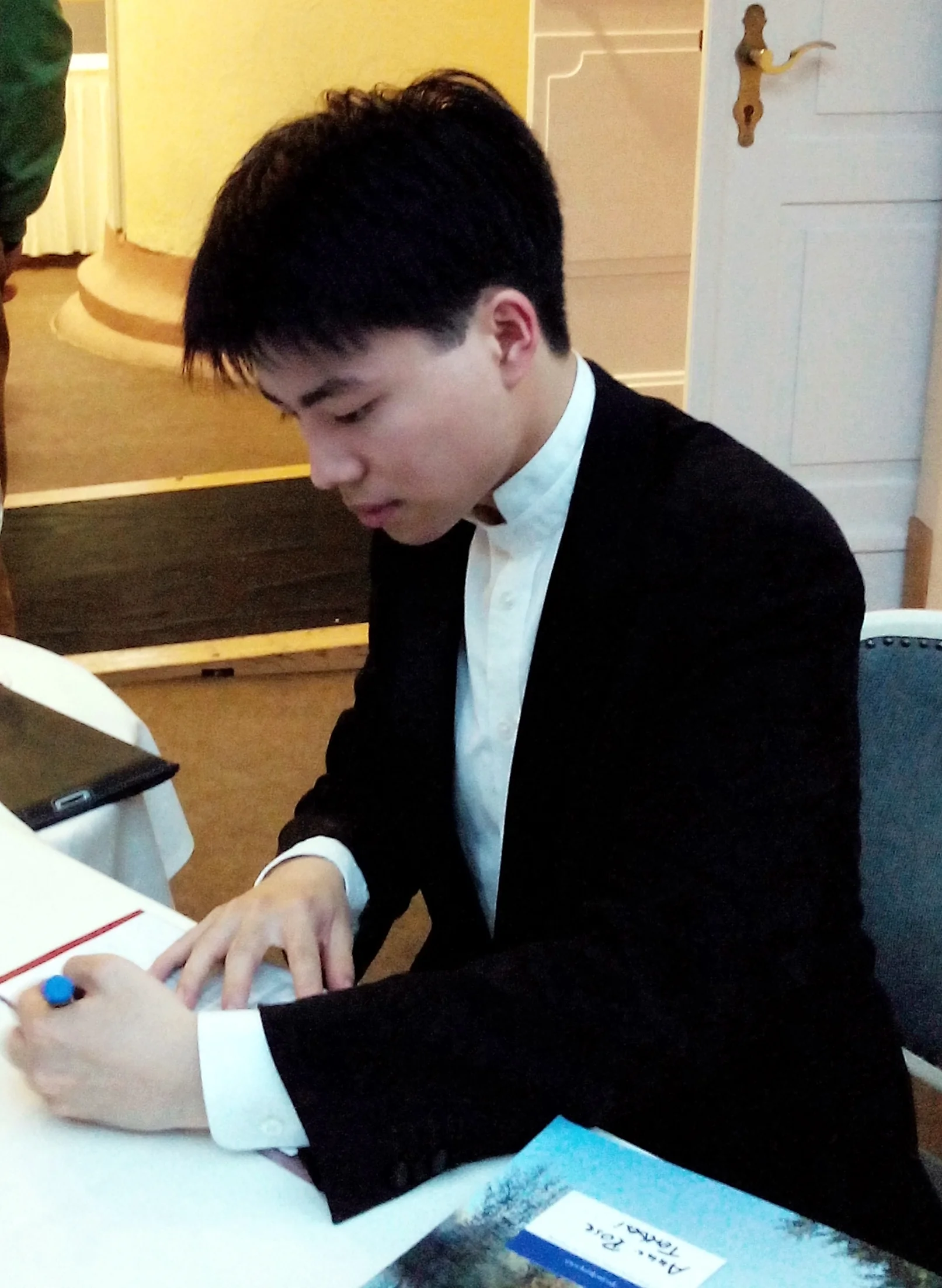
Piano Evening with Katharina Thalbach and Kit Armstrong
Katharina Thalbach and Kit Armstrong piano evening with texts by Grieg, Saint-Saëns, and Tchaikovsky
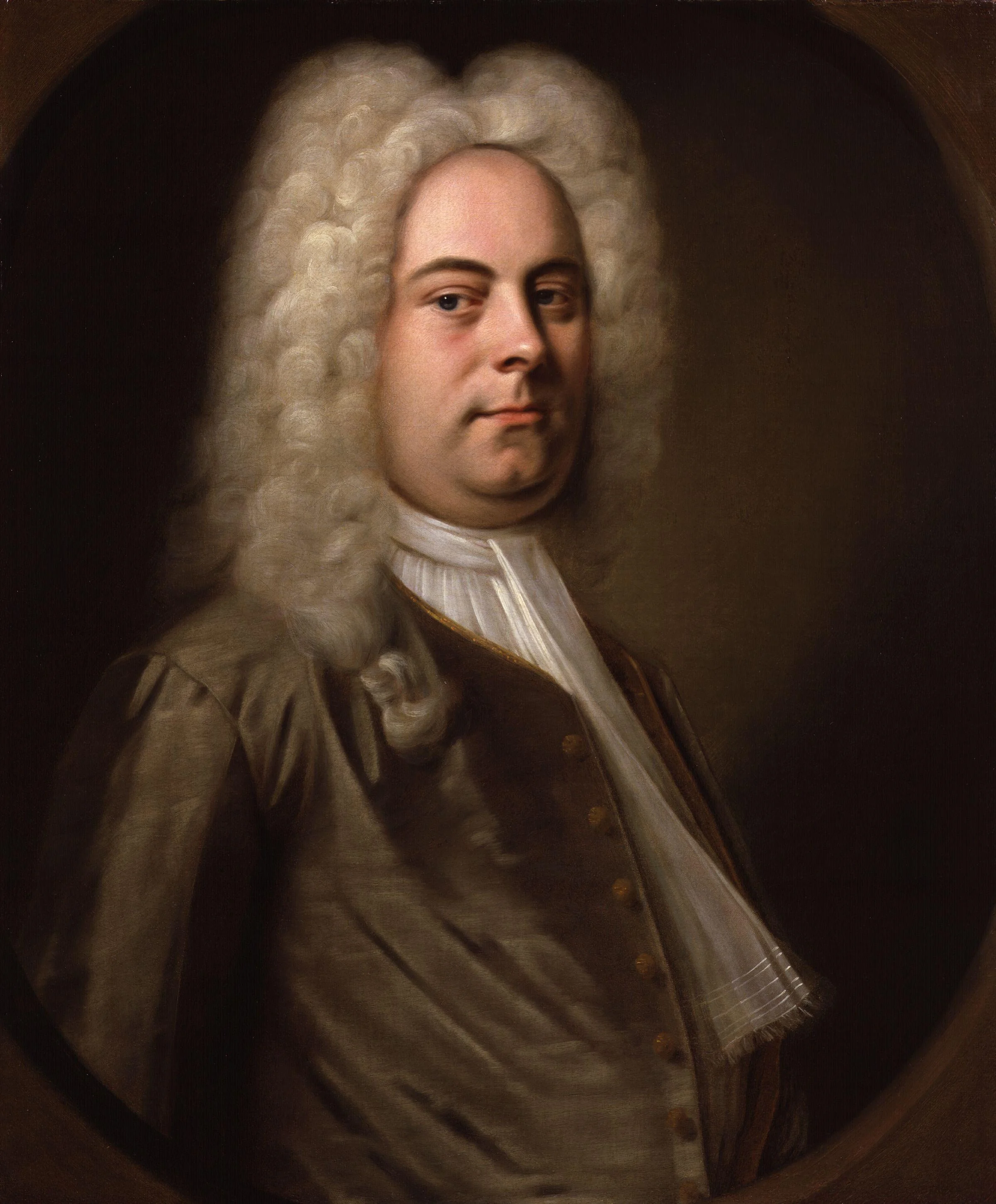
Floridante: Handel's Baroque Opera in Bayreuth
Baroque passion in a UNESCO World Heritage site: Floridante brings Handel to Bayreuth. New production, historic stage, great voices. #BayreuthBaroque
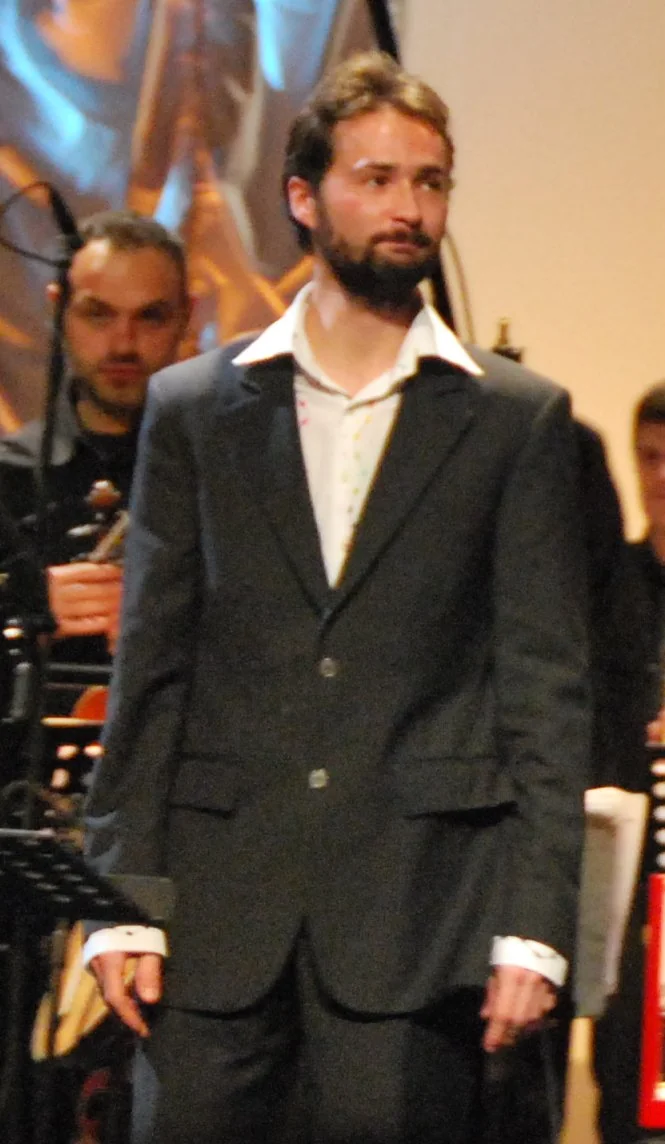
Handel's Nature - Christophe Dumaux
A Baroque evening full of brilliance in Bayreuth: Christophe Dumaux sings Handel in the Margravial Opera House. Historic stage, great emotions, strong live atmosphere. #BayreuthBaroque
The Aria Suitcases - Julia Lezhneva
A baroque highlight in Bayreuth: Julia Lezhneva sings Aria Suitcases at the Markgräfliches Opernhaus. An evening full of virtuosity, emotion, and history. #Bayreuth
The Sopranos - Federico Fiorio, Maayan Licht and Dennis Orellana
Bayreuth experiences a rare baroque evening full of brilliance, virtuosity, and great voices. The Sopranos at the Markgräfliches Opernhaus #Bayreuth
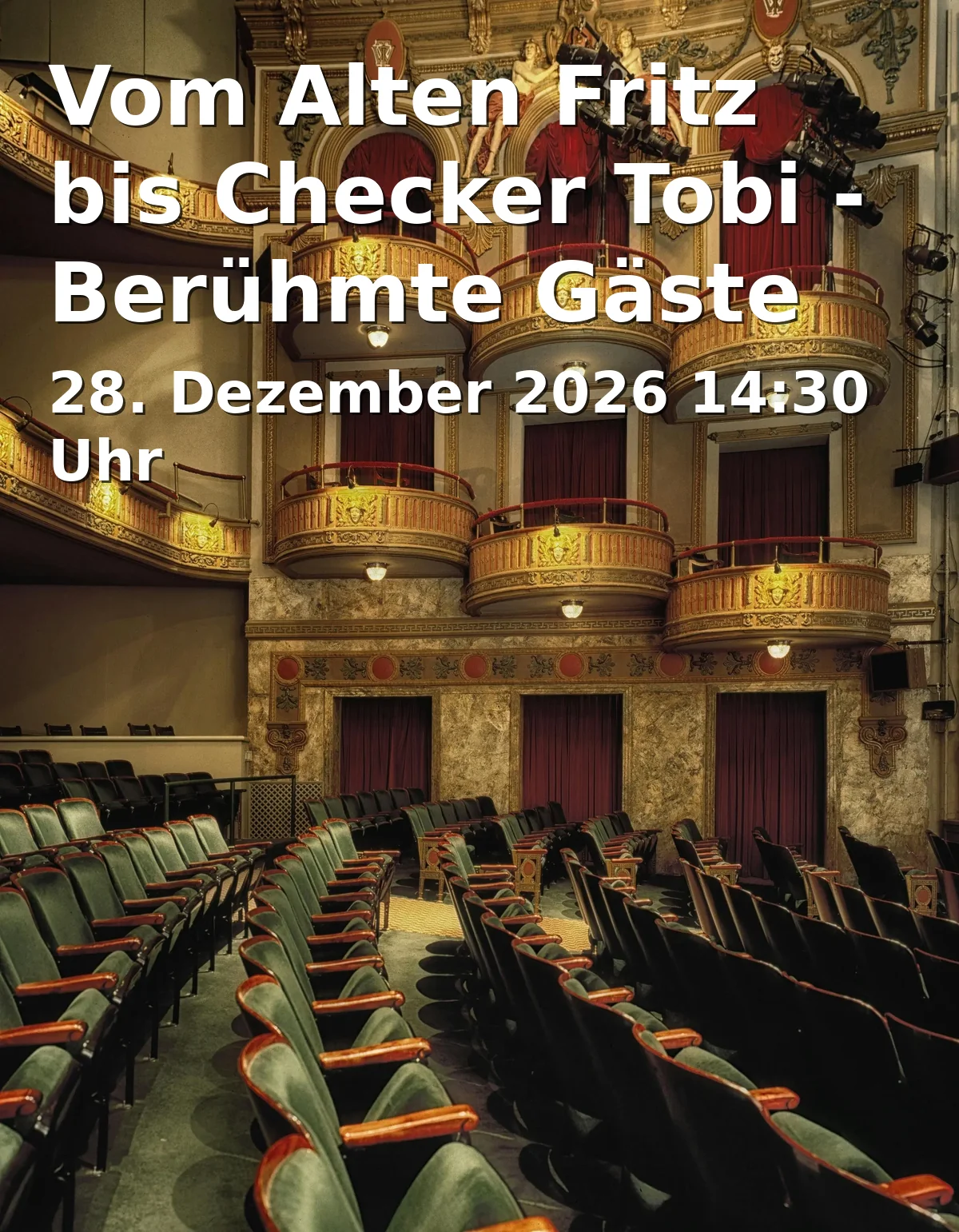
From the Old Fritz to Checker Tobi - Famous Guests in the Opera House
A baroque jewel tells a story: The tour in the Margravial Opera House Bayreuth leads to famous guests and hidden corners. 28.12.2026, from 3 €. #Bayreuth
Frequently Asked Questions
Reviews
No reviews found