
Bayreuth
Kirchpl. 4, 95444 Bayreuth, Deutschland
Historical Museum Bayreuth | Opening Hours & Tickets
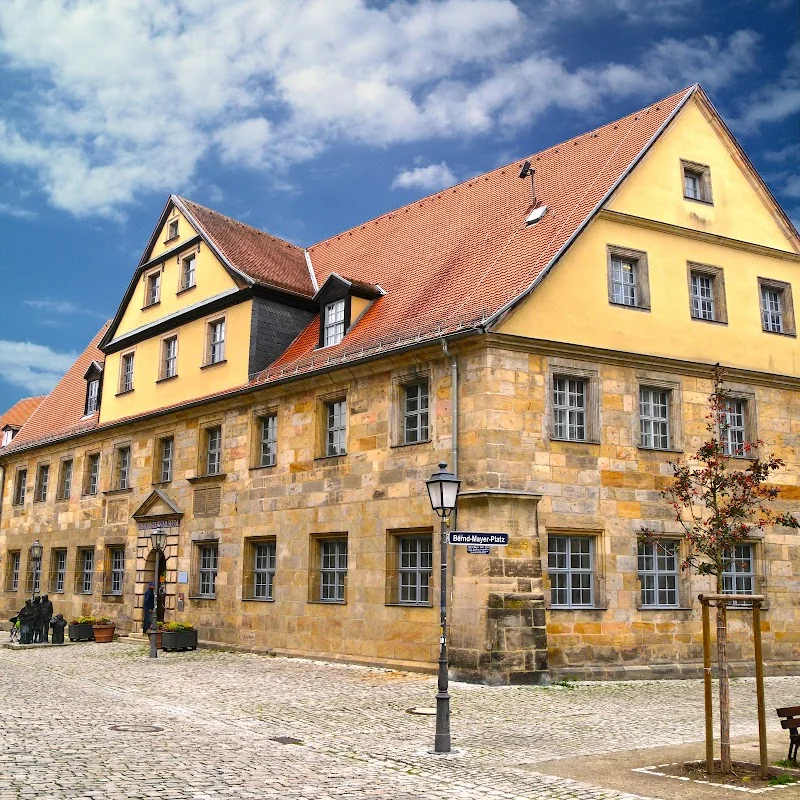
The Historical Museum Bayreuth is the oldest museum in the city and one of the most important places to understand Bayreuth not just as a festival city, but as a developed residence, civic, and cultural city. Since 1996, the museum has been located in the Old Latin School at Kirchplatz 4, right next to the city church, and connects the major lines of the city's history with many illustrative originals, images, and objects across three levels and around 1200 square meters. The tour leads from the first documentary mention to the present and focuses on the time of Bayreuth as a margravial residence city in the 17th and 18th centuries. Those looking for opening hours, tickets, photos, or reviews will find here a compact yet content-rich museum with a strong connection to the old town, Bayreuth faience, historical city models, and changing special exhibitions. The museum also sees itself as a place of mediation and remembrance, which is why events and educational offerings play an important role alongside the permanent exhibition. ([historisches-museum-bayreuth.de](https://www.historisches-museum-bayreuth.de/))
Opening Hours and Admission Prices at the Historical Museum Bayreuth
For planning a visit, the official opening hours are particularly important, as the museum is not accessible every day around the clock, but follows a clear rhythm. According to the website, the museum is open from Tuesday to Sunday from 10 AM to 5 PM. It is closed on the two Christmas holidays, December 24 and 25. For the New Year, different times apply: On December 31, it is open from 10 AM to 2 PM, and on January 1 from 1 PM to 5 PM. Therefore, anyone planning a stay in Bayreuth should check the opening hours in advance and not leave the museum visit to the last moment. Especially for an exhibition with many textual and visual stations, it is worthwhile to have enough time so that the tour can have a calming effect. Additionally, it is important that the special exhibition can be visited during the usual opening hours, which makes planning easier. This way, a visit to the museum can be well combined with a city tour through the historic center without relying on a tight time frame. ([historisches-museum-bayreuth.de](https://www.historisches-museum-bayreuth.de/kontakt/anfahrt-und-oeffnungszeiten/))
The admission prices are also clearly stated on the official page and are therefore easy to understand. Adults pay €2, students €1. Admission is free for children under 6 years, school classes, and members of the museum association. Students, people with disabilities, and retirees pay a reduced price of €1. Groups of 10 or more also pay €1 per person. Those who participate in a guided tour pay an additional €1 per person. For visitors, this means: The museum is deliberately calculated to be low-threshold and is also suitable for families, school classes, or spontaneous cultural stops during a weekend trip. Especially in connection with the regularly changing special exhibitions, the admission price is very moderate, making a second visit worthwhile when the theme of the exhibition changes. Those looking for tickets for the Historical Museum Bayreuth will find primarily pricing information and contact options for inquiries on the website; the page clearly shows that the visit is uncomplicated and organized on-site. ([historisches-museum-bayreuth.de](https://www.historisches-museum-bayreuth.de/kontakt/anfahrt-und-oeffnungszeiten/))
For SEO search queries like Historical Museum Bayreuth opening hours or Historical Museum Bayreuth tickets, it is also helpful that the current special exhibition runs during the normal visiting hours. This means: Those who want to see the exhibition Bayreuth – Perspectives of a City in spring 2026 can do so without special additional planning during the usual daytime window. The visit is therefore not only attractive in terms of price but also manageable in terms of organization. Those who appreciate a relaxed museum visit should ideally choose a morning or early afternoon to allow enough time for the collection, photos, and possible guided tours. ([bayreuth.de](https://www.bayreuth.de/bayreuth-perspektiven-einer-stadt/))
Access, Parking, and Location at Kirchplatz 4
The Historical Museum Bayreuth is located very centrally at Kirchplatz 4, 95444 Bayreuth, directly at the city church and in the middle of the historic city area. This location makes the museum particularly attractive for visitors who are walking through the city center and want to combine a cultural stop with a stroll. The official access page does not mention any in-house parking spaces and explicitly states that there are no parking spaces at or around the house. Instead, the surrounding parking lots and parking garages in the city center should be used. In practice, this means: Those arriving by car should not count on a direct parking opportunity in front of the door but should plan the museum as a city center destination and allow for some walking distance. Given the location in a historic, densely built core, this is completely normal and even pleasant for many visitors, as the walk to the museum becomes part of the city experience. ([historisches-museum-bayreuth.de](https://www.historisches-museum-bayreuth.de/kontakt/anfahrt-und-oeffnungszeiten/))
The central location is not only practical but also contextually appropriate. The museum is housed in the Old Latin School and is located in direct proximity to the city church. This makes the visit feel historically charged even from the outside: The building ensemble, the narrow paths around Kirchplatz, and the proximity to other city center points ensure that one feels the city’s history not only inside the museum but already on the way there. For people searching for Historical Bayreuth, this is a plus, as the museum is not hidden somewhere on the outskirts of the city but is easily identifiable as part of the urban center. Those who want to orient themselves can use Kirchplatz as a fixed anchor point and combine the museum visit with a stroll through the old town and other stations in the city center. This makes the location interesting for short visits or for travel groups that have limited time. ([historisches-museum-bayreuth.de](https://www.historisches-museum-bayreuth.de/kontakt/anfahrt-und-oeffnungszeiten/))
It is also practical that the official contact details are clearly visible on the website, making the museum function not only as an exhibition space but also as a point of contact for inquiries. This allows visitors to directly inquire about uncertainties regarding opening hours, prices, or guided tours. The museum education is also mentioned separately, which shows that the house is not only geared towards the classic individual visit but also towards groups, education, and mediation. However, the core message for searching for access and parking is simple: arrive close to the city center, use parking garages and public parking spaces in the city center, consciously connect the museum visit with some walking time, and see the historical backdrop as part of the experience. ([historisches-museum-bayreuth.de](https://www.historisches-museum-bayreuth.de/kontakt/anfahrt-und-oeffnungszeiten/))
Collection, City History, and Bayreuth Faience
Content-wise, the Historical Museum Bayreuth is significantly broader than the first impression of a compact city museum might suggest. The collection presents numerous exhibits on the eventful history of the city of Bayreuth from the first documentary mention to the present across three levels. Thus, the museum not only covers individual epochs but tells Bayreuth as a long-term development story with political, economic, social, and cultural aspects. This structure is particularly evident in the designated thematic areas: beginnings of urban development, the margravial residence city, Bayreuth in National Socialism, industrial history, bourgeois urban culture in the 19th and 20th centuries, the city on the way to modernity, and the photographic collection. This thematic breadth makes the charm of the house, as it opens different access points to the city’s history and does not pursue just a single narrative thread. ([historisches-museum-bayreuth.de](https://www.historisches-museum-bayreuth.de/sammlung/))
A particular focus is on the margravial residence city in the 17th and 18th centuries. Here, the historical depth of Bayreuth becomes evident, which many visitors may not immediately be aware of from the everyday image of the city. City models, historical plans, pictorial sources, and thematic objects make it understandable how strongly the residence period shaped the city. Particularly the city model of St. Georgen with the Brandenburg Lake from 1763 and the depiction of the beginnings of urban development reveal how closely architecture, power, and urban life were interconnected. The collection does not pursue this line dryly but with many illustrative objects, making the visit interesting even for people who do not regularly visit museums. The house shows that city history does not have to be abstract but can be experienced through concrete things, places, and images. ([historisches-museum-bayreuth.de](https://www.historisches-museum-bayreuth.de/sammlung/))
Particularly noteworthy is the private collection of Dr. Otto Burkhardt, which is on permanent loan at the Historical Museum. According to the museum, it is likely the most extensive collection of Bayreuth faience from the manufactory founded in 1715 in St. Georgen worldwide. For the museum, this is a central unique selling point, as it preserves a material heritage and places it in a larger urban historical context. Faience is not only of artistic craftsmanship interest but also tells of trade, taste, production, and representation. This collection is complemented by many other exhibits that together convey a vivid picture of the city. For visitors specifically looking for Bayreuth faience or the history of the margravial residence, the Historical Museum is therefore a very important address. ([historisches-museum-bayreuth.de](https://www.historisches-museum-bayreuth.de/))
The permanent exhibition is also supplemented by themes that open the view of Bayreuth up to the recent past. These include industrial history, bourgeois urban culture, and the time of National Socialism. This combination of courtly past, economic development, and modern city history makes the museum so substantial. Instead of showing only individual famous names or buildings, it connects the major historical lines with the everyday life of a city that has continually reinvented itself over centuries. For people who want to better understand Bayreuth, the collection thus provides far more than a mere chronicle; it offers a compact, very rich city portrait. ([historisches-museum-bayreuth.de](https://www.historisches-museum-bayreuth.de/sammlung/))
Special Exhibitions, Photos, and Digital Impressions
Another important reason for a visit is the changing special exhibitions. The Historical Museum Bayreuth uses three rooms on the ground floor with a total of 120 square meters, which thematically open additional perspectives. This keeps the museum lively and repeatable, as not only the permanent exhibition but also the current focuses ensure that a return visit can be worthwhile. For spring 2026, the museum will show the exhibition Bayreuth – Perspectives of a City. It will run from Sunday, February 15, 2026, until mid-April and is part of a jubilee program celebrating the 30th anniversary of the museum in the Old Latin School. The approach of the exhibition is deliberately perspective-driven: The view of a newcomer and now local resident should make new and sometimes more critical perspectives on the city visible. This way, the museum expands its already strong historical profile with a contemporary, personal, and visual level. ([bayreuth.de](https://www.bayreuth.de/bayreuth-perspektiven-einer-stadt/))
For the search intention for photos, the museum is also interesting because the collection explicitly features a photographic department. Photos in the historical museum are not just supplementary material but a distinct access point to the city’s history. They make change visible, show streets, buildings, people, and situations, and are often more immediate than a longer text. Therefore, those interested in Historical Museum Bayreuth photos will find not only individual image motifs but an institutionally anchored image collection that documents the development of the city. The official pages also work with visual material and repeatedly show visual excerpts from the museum's work in news, collection areas, and exhibitions. This creates an impression online before the visit of how strongly the house relies on images, city views, and historical documents. ([historisches-museum-bayreuth.de](https://www.historisches-museum-bayreuth.de/sammlung/))
The digital exhibition is also exciting for people who want to inform themselves in advance or cannot be on-site immediately. During the Corona period, the museum provided a small digital exhibition on its homepage to make highlights of the permanent exhibition accessible online. This digital layer shows that the house not only works traditionally on-site but can also prepare its content in a media-appropriate manner. Together with the photographic collection, this results in a clear advantage for all who want to not only read about Bayreuth's past but also see it. Photos, posters, city maps, and digital formats are not a side issue here but a real part of the experience. ([bayreuth.de](https://www.bayreuth.de/digitale-ausstellung-des-historischen-museums/?utm_source=openai))
The current special exhibition Bayreuth – Perspectives of a City fits very well into this profile because it emphasizes images, views, and insights. The official city page describes the exhibition as a loving, mindful dialogue with the city and points out that it can be seen during the usual opening hours. Therefore, anyone looking for a cultural program that goes beyond mere information transfer will find a good mix of history, perspectives, and visual presentation here. Especially for visitors looking for photos, special exhibitions, or an aesthetic approach to Bayreuth, the Historical Museum is therefore more than a classic local museum. It is a place where images tell history. ([bayreuth.de](https://www.bayreuth.de/bayreuth-perspektiven-einer-stadt/))
History of the Museum from 1894 to Today
The history of the house itself is almost as interesting as the history it tells. The Historical Museum was founded in 1894, making it the oldest museum in the city of Bayreuth. This early foundation shows that the need to collect and preserve the city’s history has been deeply rooted in Bayreuth for a long time. Since 1996, the museum has been located in the Old Latin School at Kirchplatz, in a building that stands in close proximity to the city church and gives the museum its current historical framework. The official texts emphasize that the house documents the cultural and art history of the festival city and its region, thus covering a broad field of remembrance. In 2026, the museum in the Old Latin School will celebrate 30 years at its current location, making the site itself a part of the museum's biography. ([historisches-museum-bayreuth.de](https://www.historisches-museum-bayreuth.de/))
An important turning point in the recent history was the renovation and reopening in 2023. After the completion of the renovation work, the museum reopened its doors on May 13, 2023, presenting itself, according to the city of Bayreuth, polished and with new rooms. This shows that the institution not only relies on tradition but also invests in its structural and museological future. The reopening was associated with free admission until the end of May, which made the restart additionally visible. Such phases are important for museums because they reorder the relationship between substance and present: What remains is maintained; what is new facilitates mediation. For visitors, this means an attractive framework in which historical content can be experienced in a renewed environment. ([bayreuth.de](https://www.bayreuth.de/historisches-museum-wiedereroeffnung-im-mai/?utm_source=openai))
The museum's self-understanding is remarkably clear. The collection should show the urban development of Bayreuth in its essential stages and not stop at the past. The website explicitly states that the permanent exhibition is complemented and deepened by special exhibitions, events, and educational offerings. Thus, the house is not only a place of preservation but also a place of learning and discussion. In practice, this means: school classes, families, interested individual visitors, and groups find different entry points here. Especially for people who want to understand Bayreuth beyond the well-known cultural brands, this combination creates high added value. The museum is therefore not just a showcase of the past but also an active part of the cultural present of the city. ([historisches-museum-bayreuth.de](https://www.historisches-museum-bayreuth.de/))
The connection of tradition and renewal makes the Historical Museum Bayreuth particularly interesting. It is a house with a long history but without museal rigidity. The large temporal span, from the beginnings of the city through the residence period to modernity, allows for a real overview. At the same time, special exhibitions, digital offerings, and educational formats keep the profile dynamic. This mix is helpful for search queries regarding Historical Bayreuth because the museum not only provides facts but makes the place itself experienceable as a historical narrative. Therefore, anyone who wants to understand Bayreuth should consider the museum as a starting point: here begins a view of the city that goes far beyond Wagner and the well-known sights. ([historisches-museum-bayreuth.de](https://www.historisches-museum-bayreuth.de/))
Reviews, Visiting Tips, and Why a Visit is Worthwhile
Those looking for reviews of the Historical Museum Bayreuth will find an overall friendly and positive picture. In the available ratings, the museum has an average of 4.4 stars from 66 reviews. It is particularly highlighted that the house, although compact, is very strong in content and shows Bayreuth beyond the well-known Wagner themes. This is also the most important visiting tip: It is not the size that matters, but the density of the content. Those who take their time will discover a lot of city history, many images, and an astonishingly broad thematic arc on just a few levels. The museum is therefore excellent for people who want to walk through history concentrated and without haste. It is not a place for quick consumption but for careful observation. ([historisches-museum-bayreuth.de](https://www.historisches-museum-bayreuth.de/))
The visit is particularly meaningful for anyone experiencing Bayreuth for the first time and wanting immediate context. The museum helps to contextualize street names, buildings, epochs, and cultural peculiarities. Even if one already knows the city, the visit can open new perspectives, as the collection brings together many levels: courtly history, bourgeois urban culture, industry, photography, the NS period, and modernity. This mix makes the reviews credible, which speak of a strong exhibition density. Additionally, those who value visual impressions will find plenty of material through the photographic collection and historical image sources. This is not only exciting for history enthusiasts but also for people who want to experience Bayreuth as a photographic motif or source of inspiration. ([historisches-museum-bayreuth.de](https://www.historisches-museum-bayreuth.de/sammlung/))
Another practical tip concerns time planning. The museum is small enough to fit into a shorter stay, but at the same time, it is so content-rich that one should not plan too tightly. Those who want to see the exhibition and perhaps a special exhibition in peace should allow enough leeway. This is especially important if one wants to combine several program points with the city center. Since there are no parking spaces at the house, the visit is generally intended as a city center appointment. This is where the charm arises: One parks in the city, walks a bit, and then immerses oneself in the historical depth of Bayreuth. The museum is therefore ideal for cultural travelers, families, school groups, and anyone who prefers to experience concrete stories rather than abstract data. ([historisches-museum-bayreuth.de](https://www.historisches-museum-bayreuth.de/kontakt/anfahrt-und-oeffnungszeiten/))
Those reading reviews should also pay attention to the language: Some visitors wish for more English explanations, which can be a useful hint for international guests. At the same time, the house is described as very interesting and worthwhile. For German-speaking guests, access is particularly easy because the collection is thematically clearly structured and many exhibits support the narrative. All in all, it shows: The Historical Museum Bayreuth is exactly the right address for anyone who wants to look behind the scenes of the city. It connects early city history, margravial splendor, urban development, and visual documentation into a visit that is not loud but has a lasting impact. ([historisches-museum-bayreuth.de](https://www.historisches-museum-bayreuth.de/sammlung/))
Sources:
Show moreShow less
Historical Museum Bayreuth | Opening Hours & Tickets
The Historical Museum Bayreuth is the oldest museum in the city and one of the most important places to understand Bayreuth not just as a festival city, but as a developed residence, civic, and cultural city. Since 1996, the museum has been located in the Old Latin School at Kirchplatz 4, right next to the city church, and connects the major lines of the city's history with many illustrative originals, images, and objects across three levels and around 1200 square meters. The tour leads from the first documentary mention to the present and focuses on the time of Bayreuth as a margravial residence city in the 17th and 18th centuries. Those looking for opening hours, tickets, photos, or reviews will find here a compact yet content-rich museum with a strong connection to the old town, Bayreuth faience, historical city models, and changing special exhibitions. The museum also sees itself as a place of mediation and remembrance, which is why events and educational offerings play an important role alongside the permanent exhibition. ([historisches-museum-bayreuth.de](https://www.historisches-museum-bayreuth.de/))
Opening Hours and Admission Prices at the Historical Museum Bayreuth
For planning a visit, the official opening hours are particularly important, as the museum is not accessible every day around the clock, but follows a clear rhythm. According to the website, the museum is open from Tuesday to Sunday from 10 AM to 5 PM. It is closed on the two Christmas holidays, December 24 and 25. For the New Year, different times apply: On December 31, it is open from 10 AM to 2 PM, and on January 1 from 1 PM to 5 PM. Therefore, anyone planning a stay in Bayreuth should check the opening hours in advance and not leave the museum visit to the last moment. Especially for an exhibition with many textual and visual stations, it is worthwhile to have enough time so that the tour can have a calming effect. Additionally, it is important that the special exhibition can be visited during the usual opening hours, which makes planning easier. This way, a visit to the museum can be well combined with a city tour through the historic center without relying on a tight time frame. ([historisches-museum-bayreuth.de](https://www.historisches-museum-bayreuth.de/kontakt/anfahrt-und-oeffnungszeiten/))
The admission prices are also clearly stated on the official page and are therefore easy to understand. Adults pay €2, students €1. Admission is free for children under 6 years, school classes, and members of the museum association. Students, people with disabilities, and retirees pay a reduced price of €1. Groups of 10 or more also pay €1 per person. Those who participate in a guided tour pay an additional €1 per person. For visitors, this means: The museum is deliberately calculated to be low-threshold and is also suitable for families, school classes, or spontaneous cultural stops during a weekend trip. Especially in connection with the regularly changing special exhibitions, the admission price is very moderate, making a second visit worthwhile when the theme of the exhibition changes. Those looking for tickets for the Historical Museum Bayreuth will find primarily pricing information and contact options for inquiries on the website; the page clearly shows that the visit is uncomplicated and organized on-site. ([historisches-museum-bayreuth.de](https://www.historisches-museum-bayreuth.de/kontakt/anfahrt-und-oeffnungszeiten/))
For SEO search queries like Historical Museum Bayreuth opening hours or Historical Museum Bayreuth tickets, it is also helpful that the current special exhibition runs during the normal visiting hours. This means: Those who want to see the exhibition Bayreuth – Perspectives of a City in spring 2026 can do so without special additional planning during the usual daytime window. The visit is therefore not only attractive in terms of price but also manageable in terms of organization. Those who appreciate a relaxed museum visit should ideally choose a morning or early afternoon to allow enough time for the collection, photos, and possible guided tours. ([bayreuth.de](https://www.bayreuth.de/bayreuth-perspektiven-einer-stadt/))
Access, Parking, and Location at Kirchplatz 4
The Historical Museum Bayreuth is located very centrally at Kirchplatz 4, 95444 Bayreuth, directly at the city church and in the middle of the historic city area. This location makes the museum particularly attractive for visitors who are walking through the city center and want to combine a cultural stop with a stroll. The official access page does not mention any in-house parking spaces and explicitly states that there are no parking spaces at or around the house. Instead, the surrounding parking lots and parking garages in the city center should be used. In practice, this means: Those arriving by car should not count on a direct parking opportunity in front of the door but should plan the museum as a city center destination and allow for some walking distance. Given the location in a historic, densely built core, this is completely normal and even pleasant for many visitors, as the walk to the museum becomes part of the city experience. ([historisches-museum-bayreuth.de](https://www.historisches-museum-bayreuth.de/kontakt/anfahrt-und-oeffnungszeiten/))
The central location is not only practical but also contextually appropriate. The museum is housed in the Old Latin School and is located in direct proximity to the city church. This makes the visit feel historically charged even from the outside: The building ensemble, the narrow paths around Kirchplatz, and the proximity to other city center points ensure that one feels the city’s history not only inside the museum but already on the way there. For people searching for Historical Bayreuth, this is a plus, as the museum is not hidden somewhere on the outskirts of the city but is easily identifiable as part of the urban center. Those who want to orient themselves can use Kirchplatz as a fixed anchor point and combine the museum visit with a stroll through the old town and other stations in the city center. This makes the location interesting for short visits or for travel groups that have limited time. ([historisches-museum-bayreuth.de](https://www.historisches-museum-bayreuth.de/kontakt/anfahrt-und-oeffnungszeiten/))
It is also practical that the official contact details are clearly visible on the website, making the museum function not only as an exhibition space but also as a point of contact for inquiries. This allows visitors to directly inquire about uncertainties regarding opening hours, prices, or guided tours. The museum education is also mentioned separately, which shows that the house is not only geared towards the classic individual visit but also towards groups, education, and mediation. However, the core message for searching for access and parking is simple: arrive close to the city center, use parking garages and public parking spaces in the city center, consciously connect the museum visit with some walking time, and see the historical backdrop as part of the experience. ([historisches-museum-bayreuth.de](https://www.historisches-museum-bayreuth.de/kontakt/anfahrt-und-oeffnungszeiten/))
Collection, City History, and Bayreuth Faience
Content-wise, the Historical Museum Bayreuth is significantly broader than the first impression of a compact city museum might suggest. The collection presents numerous exhibits on the eventful history of the city of Bayreuth from the first documentary mention to the present across three levels. Thus, the museum not only covers individual epochs but tells Bayreuth as a long-term development story with political, economic, social, and cultural aspects. This structure is particularly evident in the designated thematic areas: beginnings of urban development, the margravial residence city, Bayreuth in National Socialism, industrial history, bourgeois urban culture in the 19th and 20th centuries, the city on the way to modernity, and the photographic collection. This thematic breadth makes the charm of the house, as it opens different access points to the city’s history and does not pursue just a single narrative thread. ([historisches-museum-bayreuth.de](https://www.historisches-museum-bayreuth.de/sammlung/))
A particular focus is on the margravial residence city in the 17th and 18th centuries. Here, the historical depth of Bayreuth becomes evident, which many visitors may not immediately be aware of from the everyday image of the city. City models, historical plans, pictorial sources, and thematic objects make it understandable how strongly the residence period shaped the city. Particularly the city model of St. Georgen with the Brandenburg Lake from 1763 and the depiction of the beginnings of urban development reveal how closely architecture, power, and urban life were interconnected. The collection does not pursue this line dryly but with many illustrative objects, making the visit interesting even for people who do not regularly visit museums. The house shows that city history does not have to be abstract but can be experienced through concrete things, places, and images. ([historisches-museum-bayreuth.de](https://www.historisches-museum-bayreuth.de/sammlung/))
Particularly noteworthy is the private collection of Dr. Otto Burkhardt, which is on permanent loan at the Historical Museum. According to the museum, it is likely the most extensive collection of Bayreuth faience from the manufactory founded in 1715 in St. Georgen worldwide. For the museum, this is a central unique selling point, as it preserves a material heritage and places it in a larger urban historical context. Faience is not only of artistic craftsmanship interest but also tells of trade, taste, production, and representation. This collection is complemented by many other exhibits that together convey a vivid picture of the city. For visitors specifically looking for Bayreuth faience or the history of the margravial residence, the Historical Museum is therefore a very important address. ([historisches-museum-bayreuth.de](https://www.historisches-museum-bayreuth.de/))
The permanent exhibition is also supplemented by themes that open the view of Bayreuth up to the recent past. These include industrial history, bourgeois urban culture, and the time of National Socialism. This combination of courtly past, economic development, and modern city history makes the museum so substantial. Instead of showing only individual famous names or buildings, it connects the major historical lines with the everyday life of a city that has continually reinvented itself over centuries. For people who want to better understand Bayreuth, the collection thus provides far more than a mere chronicle; it offers a compact, very rich city portrait. ([historisches-museum-bayreuth.de](https://www.historisches-museum-bayreuth.de/sammlung/))
Special Exhibitions, Photos, and Digital Impressions
Another important reason for a visit is the changing special exhibitions. The Historical Museum Bayreuth uses three rooms on the ground floor with a total of 120 square meters, which thematically open additional perspectives. This keeps the museum lively and repeatable, as not only the permanent exhibition but also the current focuses ensure that a return visit can be worthwhile. For spring 2026, the museum will show the exhibition Bayreuth – Perspectives of a City. It will run from Sunday, February 15, 2026, until mid-April and is part of a jubilee program celebrating the 30th anniversary of the museum in the Old Latin School. The approach of the exhibition is deliberately perspective-driven: The view of a newcomer and now local resident should make new and sometimes more critical perspectives on the city visible. This way, the museum expands its already strong historical profile with a contemporary, personal, and visual level. ([bayreuth.de](https://www.bayreuth.de/bayreuth-perspektiven-einer-stadt/))
For the search intention for photos, the museum is also interesting because the collection explicitly features a photographic department. Photos in the historical museum are not just supplementary material but a distinct access point to the city’s history. They make change visible, show streets, buildings, people, and situations, and are often more immediate than a longer text. Therefore, those interested in Historical Museum Bayreuth photos will find not only individual image motifs but an institutionally anchored image collection that documents the development of the city. The official pages also work with visual material and repeatedly show visual excerpts from the museum's work in news, collection areas, and exhibitions. This creates an impression online before the visit of how strongly the house relies on images, city views, and historical documents. ([historisches-museum-bayreuth.de](https://www.historisches-museum-bayreuth.de/sammlung/))
The digital exhibition is also exciting for people who want to inform themselves in advance or cannot be on-site immediately. During the Corona period, the museum provided a small digital exhibition on its homepage to make highlights of the permanent exhibition accessible online. This digital layer shows that the house not only works traditionally on-site but can also prepare its content in a media-appropriate manner. Together with the photographic collection, this results in a clear advantage for all who want to not only read about Bayreuth's past but also see it. Photos, posters, city maps, and digital formats are not a side issue here but a real part of the experience. ([bayreuth.de](https://www.bayreuth.de/digitale-ausstellung-des-historischen-museums/?utm_source=openai))
The current special exhibition Bayreuth – Perspectives of a City fits very well into this profile because it emphasizes images, views, and insights. The official city page describes the exhibition as a loving, mindful dialogue with the city and points out that it can be seen during the usual opening hours. Therefore, anyone looking for a cultural program that goes beyond mere information transfer will find a good mix of history, perspectives, and visual presentation here. Especially for visitors looking for photos, special exhibitions, or an aesthetic approach to Bayreuth, the Historical Museum is therefore more than a classic local museum. It is a place where images tell history. ([bayreuth.de](https://www.bayreuth.de/bayreuth-perspektiven-einer-stadt/))
History of the Museum from 1894 to Today
The history of the house itself is almost as interesting as the history it tells. The Historical Museum was founded in 1894, making it the oldest museum in the city of Bayreuth. This early foundation shows that the need to collect and preserve the city’s history has been deeply rooted in Bayreuth for a long time. Since 1996, the museum has been located in the Old Latin School at Kirchplatz, in a building that stands in close proximity to the city church and gives the museum its current historical framework. The official texts emphasize that the house documents the cultural and art history of the festival city and its region, thus covering a broad field of remembrance. In 2026, the museum in the Old Latin School will celebrate 30 years at its current location, making the site itself a part of the museum's biography. ([historisches-museum-bayreuth.de](https://www.historisches-museum-bayreuth.de/))
An important turning point in the recent history was the renovation and reopening in 2023. After the completion of the renovation work, the museum reopened its doors on May 13, 2023, presenting itself, according to the city of Bayreuth, polished and with new rooms. This shows that the institution not only relies on tradition but also invests in its structural and museological future. The reopening was associated with free admission until the end of May, which made the restart additionally visible. Such phases are important for museums because they reorder the relationship between substance and present: What remains is maintained; what is new facilitates mediation. For visitors, this means an attractive framework in which historical content can be experienced in a renewed environment. ([bayreuth.de](https://www.bayreuth.de/historisches-museum-wiedereroeffnung-im-mai/?utm_source=openai))
The museum's self-understanding is remarkably clear. The collection should show the urban development of Bayreuth in its essential stages and not stop at the past. The website explicitly states that the permanent exhibition is complemented and deepened by special exhibitions, events, and educational offerings. Thus, the house is not only a place of preservation but also a place of learning and discussion. In practice, this means: school classes, families, interested individual visitors, and groups find different entry points here. Especially for people who want to understand Bayreuth beyond the well-known cultural brands, this combination creates high added value. The museum is therefore not just a showcase of the past but also an active part of the cultural present of the city. ([historisches-museum-bayreuth.de](https://www.historisches-museum-bayreuth.de/))
The connection of tradition and renewal makes the Historical Museum Bayreuth particularly interesting. It is a house with a long history but without museal rigidity. The large temporal span, from the beginnings of the city through the residence period to modernity, allows for a real overview. At the same time, special exhibitions, digital offerings, and educational formats keep the profile dynamic. This mix is helpful for search queries regarding Historical Bayreuth because the museum not only provides facts but makes the place itself experienceable as a historical narrative. Therefore, anyone who wants to understand Bayreuth should consider the museum as a starting point: here begins a view of the city that goes far beyond Wagner and the well-known sights. ([historisches-museum-bayreuth.de](https://www.historisches-museum-bayreuth.de/))
Reviews, Visiting Tips, and Why a Visit is Worthwhile
Those looking for reviews of the Historical Museum Bayreuth will find an overall friendly and positive picture. In the available ratings, the museum has an average of 4.4 stars from 66 reviews. It is particularly highlighted that the house, although compact, is very strong in content and shows Bayreuth beyond the well-known Wagner themes. This is also the most important visiting tip: It is not the size that matters, but the density of the content. Those who take their time will discover a lot of city history, many images, and an astonishingly broad thematic arc on just a few levels. The museum is therefore excellent for people who want to walk through history concentrated and without haste. It is not a place for quick consumption but for careful observation. ([historisches-museum-bayreuth.de](https://www.historisches-museum-bayreuth.de/))
The visit is particularly meaningful for anyone experiencing Bayreuth for the first time and wanting immediate context. The museum helps to contextualize street names, buildings, epochs, and cultural peculiarities. Even if one already knows the city, the visit can open new perspectives, as the collection brings together many levels: courtly history, bourgeois urban culture, industry, photography, the NS period, and modernity. This mix makes the reviews credible, which speak of a strong exhibition density. Additionally, those who value visual impressions will find plenty of material through the photographic collection and historical image sources. This is not only exciting for history enthusiasts but also for people who want to experience Bayreuth as a photographic motif or source of inspiration. ([historisches-museum-bayreuth.de](https://www.historisches-museum-bayreuth.de/sammlung/))
Another practical tip concerns time planning. The museum is small enough to fit into a shorter stay, but at the same time, it is so content-rich that one should not plan too tightly. Those who want to see the exhibition and perhaps a special exhibition in peace should allow enough leeway. This is especially important if one wants to combine several program points with the city center. Since there are no parking spaces at the house, the visit is generally intended as a city center appointment. This is where the charm arises: One parks in the city, walks a bit, and then immerses oneself in the historical depth of Bayreuth. The museum is therefore ideal for cultural travelers, families, school groups, and anyone who prefers to experience concrete stories rather than abstract data. ([historisches-museum-bayreuth.de](https://www.historisches-museum-bayreuth.de/kontakt/anfahrt-und-oeffnungszeiten/))
Those reading reviews should also pay attention to the language: Some visitors wish for more English explanations, which can be a useful hint for international guests. At the same time, the house is described as very interesting and worthwhile. For German-speaking guests, access is particularly easy because the collection is thematically clearly structured and many exhibits support the narrative. All in all, it shows: The Historical Museum Bayreuth is exactly the right address for anyone who wants to look behind the scenes of the city. It connects early city history, margravial splendor, urban development, and visual documentation into a visit that is not loud but has a lasting impact. ([historisches-museum-bayreuth.de](https://www.historisches-museum-bayreuth.de/sammlung/))
Sources:
Historical Museum Bayreuth | Opening Hours & Tickets
The Historical Museum Bayreuth is the oldest museum in the city and one of the most important places to understand Bayreuth not just as a festival city, but as a developed residence, civic, and cultural city. Since 1996, the museum has been located in the Old Latin School at Kirchplatz 4, right next to the city church, and connects the major lines of the city's history with many illustrative originals, images, and objects across three levels and around 1200 square meters. The tour leads from the first documentary mention to the present and focuses on the time of Bayreuth as a margravial residence city in the 17th and 18th centuries. Those looking for opening hours, tickets, photos, or reviews will find here a compact yet content-rich museum with a strong connection to the old town, Bayreuth faience, historical city models, and changing special exhibitions. The museum also sees itself as a place of mediation and remembrance, which is why events and educational offerings play an important role alongside the permanent exhibition. ([historisches-museum-bayreuth.de](https://www.historisches-museum-bayreuth.de/))
Opening Hours and Admission Prices at the Historical Museum Bayreuth
For planning a visit, the official opening hours are particularly important, as the museum is not accessible every day around the clock, but follows a clear rhythm. According to the website, the museum is open from Tuesday to Sunday from 10 AM to 5 PM. It is closed on the two Christmas holidays, December 24 and 25. For the New Year, different times apply: On December 31, it is open from 10 AM to 2 PM, and on January 1 from 1 PM to 5 PM. Therefore, anyone planning a stay in Bayreuth should check the opening hours in advance and not leave the museum visit to the last moment. Especially for an exhibition with many textual and visual stations, it is worthwhile to have enough time so that the tour can have a calming effect. Additionally, it is important that the special exhibition can be visited during the usual opening hours, which makes planning easier. This way, a visit to the museum can be well combined with a city tour through the historic center without relying on a tight time frame. ([historisches-museum-bayreuth.de](https://www.historisches-museum-bayreuth.de/kontakt/anfahrt-und-oeffnungszeiten/))
The admission prices are also clearly stated on the official page and are therefore easy to understand. Adults pay €2, students €1. Admission is free for children under 6 years, school classes, and members of the museum association. Students, people with disabilities, and retirees pay a reduced price of €1. Groups of 10 or more also pay €1 per person. Those who participate in a guided tour pay an additional €1 per person. For visitors, this means: The museum is deliberately calculated to be low-threshold and is also suitable for families, school classes, or spontaneous cultural stops during a weekend trip. Especially in connection with the regularly changing special exhibitions, the admission price is very moderate, making a second visit worthwhile when the theme of the exhibition changes. Those looking for tickets for the Historical Museum Bayreuth will find primarily pricing information and contact options for inquiries on the website; the page clearly shows that the visit is uncomplicated and organized on-site. ([historisches-museum-bayreuth.de](https://www.historisches-museum-bayreuth.de/kontakt/anfahrt-und-oeffnungszeiten/))
For SEO search queries like Historical Museum Bayreuth opening hours or Historical Museum Bayreuth tickets, it is also helpful that the current special exhibition runs during the normal visiting hours. This means: Those who want to see the exhibition Bayreuth – Perspectives of a City in spring 2026 can do so without special additional planning during the usual daytime window. The visit is therefore not only attractive in terms of price but also manageable in terms of organization. Those who appreciate a relaxed museum visit should ideally choose a morning or early afternoon to allow enough time for the collection, photos, and possible guided tours. ([bayreuth.de](https://www.bayreuth.de/bayreuth-perspektiven-einer-stadt/))
Access, Parking, and Location at Kirchplatz 4
The Historical Museum Bayreuth is located very centrally at Kirchplatz 4, 95444 Bayreuth, directly at the city church and in the middle of the historic city area. This location makes the museum particularly attractive for visitors who are walking through the city center and want to combine a cultural stop with a stroll. The official access page does not mention any in-house parking spaces and explicitly states that there are no parking spaces at or around the house. Instead, the surrounding parking lots and parking garages in the city center should be used. In practice, this means: Those arriving by car should not count on a direct parking opportunity in front of the door but should plan the museum as a city center destination and allow for some walking distance. Given the location in a historic, densely built core, this is completely normal and even pleasant for many visitors, as the walk to the museum becomes part of the city experience. ([historisches-museum-bayreuth.de](https://www.historisches-museum-bayreuth.de/kontakt/anfahrt-und-oeffnungszeiten/))
The central location is not only practical but also contextually appropriate. The museum is housed in the Old Latin School and is located in direct proximity to the city church. This makes the visit feel historically charged even from the outside: The building ensemble, the narrow paths around Kirchplatz, and the proximity to other city center points ensure that one feels the city’s history not only inside the museum but already on the way there. For people searching for Historical Bayreuth, this is a plus, as the museum is not hidden somewhere on the outskirts of the city but is easily identifiable as part of the urban center. Those who want to orient themselves can use Kirchplatz as a fixed anchor point and combine the museum visit with a stroll through the old town and other stations in the city center. This makes the location interesting for short visits or for travel groups that have limited time. ([historisches-museum-bayreuth.de](https://www.historisches-museum-bayreuth.de/kontakt/anfahrt-und-oeffnungszeiten/))
It is also practical that the official contact details are clearly visible on the website, making the museum function not only as an exhibition space but also as a point of contact for inquiries. This allows visitors to directly inquire about uncertainties regarding opening hours, prices, or guided tours. The museum education is also mentioned separately, which shows that the house is not only geared towards the classic individual visit but also towards groups, education, and mediation. However, the core message for searching for access and parking is simple: arrive close to the city center, use parking garages and public parking spaces in the city center, consciously connect the museum visit with some walking time, and see the historical backdrop as part of the experience. ([historisches-museum-bayreuth.de](https://www.historisches-museum-bayreuth.de/kontakt/anfahrt-und-oeffnungszeiten/))
Collection, City History, and Bayreuth Faience
Content-wise, the Historical Museum Bayreuth is significantly broader than the first impression of a compact city museum might suggest. The collection presents numerous exhibits on the eventful history of the city of Bayreuth from the first documentary mention to the present across three levels. Thus, the museum not only covers individual epochs but tells Bayreuth as a long-term development story with political, economic, social, and cultural aspects. This structure is particularly evident in the designated thematic areas: beginnings of urban development, the margravial residence city, Bayreuth in National Socialism, industrial history, bourgeois urban culture in the 19th and 20th centuries, the city on the way to modernity, and the photographic collection. This thematic breadth makes the charm of the house, as it opens different access points to the city’s history and does not pursue just a single narrative thread. ([historisches-museum-bayreuth.de](https://www.historisches-museum-bayreuth.de/sammlung/))
A particular focus is on the margravial residence city in the 17th and 18th centuries. Here, the historical depth of Bayreuth becomes evident, which many visitors may not immediately be aware of from the everyday image of the city. City models, historical plans, pictorial sources, and thematic objects make it understandable how strongly the residence period shaped the city. Particularly the city model of St. Georgen with the Brandenburg Lake from 1763 and the depiction of the beginnings of urban development reveal how closely architecture, power, and urban life were interconnected. The collection does not pursue this line dryly but with many illustrative objects, making the visit interesting even for people who do not regularly visit museums. The house shows that city history does not have to be abstract but can be experienced through concrete things, places, and images. ([historisches-museum-bayreuth.de](https://www.historisches-museum-bayreuth.de/sammlung/))
Particularly noteworthy is the private collection of Dr. Otto Burkhardt, which is on permanent loan at the Historical Museum. According to the museum, it is likely the most extensive collection of Bayreuth faience from the manufactory founded in 1715 in St. Georgen worldwide. For the museum, this is a central unique selling point, as it preserves a material heritage and places it in a larger urban historical context. Faience is not only of artistic craftsmanship interest but also tells of trade, taste, production, and representation. This collection is complemented by many other exhibits that together convey a vivid picture of the city. For visitors specifically looking for Bayreuth faience or the history of the margravial residence, the Historical Museum is therefore a very important address. ([historisches-museum-bayreuth.de](https://www.historisches-museum-bayreuth.de/))
The permanent exhibition is also supplemented by themes that open the view of Bayreuth up to the recent past. These include industrial history, bourgeois urban culture, and the time of National Socialism. This combination of courtly past, economic development, and modern city history makes the museum so substantial. Instead of showing only individual famous names or buildings, it connects the major historical lines with the everyday life of a city that has continually reinvented itself over centuries. For people who want to better understand Bayreuth, the collection thus provides far more than a mere chronicle; it offers a compact, very rich city portrait. ([historisches-museum-bayreuth.de](https://www.historisches-museum-bayreuth.de/sammlung/))
Special Exhibitions, Photos, and Digital Impressions
Another important reason for a visit is the changing special exhibitions. The Historical Museum Bayreuth uses three rooms on the ground floor with a total of 120 square meters, which thematically open additional perspectives. This keeps the museum lively and repeatable, as not only the permanent exhibition but also the current focuses ensure that a return visit can be worthwhile. For spring 2026, the museum will show the exhibition Bayreuth – Perspectives of a City. It will run from Sunday, February 15, 2026, until mid-April and is part of a jubilee program celebrating the 30th anniversary of the museum in the Old Latin School. The approach of the exhibition is deliberately perspective-driven: The view of a newcomer and now local resident should make new and sometimes more critical perspectives on the city visible. This way, the museum expands its already strong historical profile with a contemporary, personal, and visual level. ([bayreuth.de](https://www.bayreuth.de/bayreuth-perspektiven-einer-stadt/))
For the search intention for photos, the museum is also interesting because the collection explicitly features a photographic department. Photos in the historical museum are not just supplementary material but a distinct access point to the city’s history. They make change visible, show streets, buildings, people, and situations, and are often more immediate than a longer text. Therefore, those interested in Historical Museum Bayreuth photos will find not only individual image motifs but an institutionally anchored image collection that documents the development of the city. The official pages also work with visual material and repeatedly show visual excerpts from the museum's work in news, collection areas, and exhibitions. This creates an impression online before the visit of how strongly the house relies on images, city views, and historical documents. ([historisches-museum-bayreuth.de](https://www.historisches-museum-bayreuth.de/sammlung/))
The digital exhibition is also exciting for people who want to inform themselves in advance or cannot be on-site immediately. During the Corona period, the museum provided a small digital exhibition on its homepage to make highlights of the permanent exhibition accessible online. This digital layer shows that the house not only works traditionally on-site but can also prepare its content in a media-appropriate manner. Together with the photographic collection, this results in a clear advantage for all who want to not only read about Bayreuth's past but also see it. Photos, posters, city maps, and digital formats are not a side issue here but a real part of the experience. ([bayreuth.de](https://www.bayreuth.de/digitale-ausstellung-des-historischen-museums/?utm_source=openai))
The current special exhibition Bayreuth – Perspectives of a City fits very well into this profile because it emphasizes images, views, and insights. The official city page describes the exhibition as a loving, mindful dialogue with the city and points out that it can be seen during the usual opening hours. Therefore, anyone looking for a cultural program that goes beyond mere information transfer will find a good mix of history, perspectives, and visual presentation here. Especially for visitors looking for photos, special exhibitions, or an aesthetic approach to Bayreuth, the Historical Museum is therefore more than a classic local museum. It is a place where images tell history. ([bayreuth.de](https://www.bayreuth.de/bayreuth-perspektiven-einer-stadt/))
History of the Museum from 1894 to Today
The history of the house itself is almost as interesting as the history it tells. The Historical Museum was founded in 1894, making it the oldest museum in the city of Bayreuth. This early foundation shows that the need to collect and preserve the city’s history has been deeply rooted in Bayreuth for a long time. Since 1996, the museum has been located in the Old Latin School at Kirchplatz, in a building that stands in close proximity to the city church and gives the museum its current historical framework. The official texts emphasize that the house documents the cultural and art history of the festival city and its region, thus covering a broad field of remembrance. In 2026, the museum in the Old Latin School will celebrate 30 years at its current location, making the site itself a part of the museum's biography. ([historisches-museum-bayreuth.de](https://www.historisches-museum-bayreuth.de/))
An important turning point in the recent history was the renovation and reopening in 2023. After the completion of the renovation work, the museum reopened its doors on May 13, 2023, presenting itself, according to the city of Bayreuth, polished and with new rooms. This shows that the institution not only relies on tradition but also invests in its structural and museological future. The reopening was associated with free admission until the end of May, which made the restart additionally visible. Such phases are important for museums because they reorder the relationship between substance and present: What remains is maintained; what is new facilitates mediation. For visitors, this means an attractive framework in which historical content can be experienced in a renewed environment. ([bayreuth.de](https://www.bayreuth.de/historisches-museum-wiedereroeffnung-im-mai/?utm_source=openai))
The museum's self-understanding is remarkably clear. The collection should show the urban development of Bayreuth in its essential stages and not stop at the past. The website explicitly states that the permanent exhibition is complemented and deepened by special exhibitions, events, and educational offerings. Thus, the house is not only a place of preservation but also a place of learning and discussion. In practice, this means: school classes, families, interested individual visitors, and groups find different entry points here. Especially for people who want to understand Bayreuth beyond the well-known cultural brands, this combination creates high added value. The museum is therefore not just a showcase of the past but also an active part of the cultural present of the city. ([historisches-museum-bayreuth.de](https://www.historisches-museum-bayreuth.de/))
The connection of tradition and renewal makes the Historical Museum Bayreuth particularly interesting. It is a house with a long history but without museal rigidity. The large temporal span, from the beginnings of the city through the residence period to modernity, allows for a real overview. At the same time, special exhibitions, digital offerings, and educational formats keep the profile dynamic. This mix is helpful for search queries regarding Historical Bayreuth because the museum not only provides facts but makes the place itself experienceable as a historical narrative. Therefore, anyone who wants to understand Bayreuth should consider the museum as a starting point: here begins a view of the city that goes far beyond Wagner and the well-known sights. ([historisches-museum-bayreuth.de](https://www.historisches-museum-bayreuth.de/))
Reviews, Visiting Tips, and Why a Visit is Worthwhile
Those looking for reviews of the Historical Museum Bayreuth will find an overall friendly and positive picture. In the available ratings, the museum has an average of 4.4 stars from 66 reviews. It is particularly highlighted that the house, although compact, is very strong in content and shows Bayreuth beyond the well-known Wagner themes. This is also the most important visiting tip: It is not the size that matters, but the density of the content. Those who take their time will discover a lot of city history, many images, and an astonishingly broad thematic arc on just a few levels. The museum is therefore excellent for people who want to walk through history concentrated and without haste. It is not a place for quick consumption but for careful observation. ([historisches-museum-bayreuth.de](https://www.historisches-museum-bayreuth.de/))
The visit is particularly meaningful for anyone experiencing Bayreuth for the first time and wanting immediate context. The museum helps to contextualize street names, buildings, epochs, and cultural peculiarities. Even if one already knows the city, the visit can open new perspectives, as the collection brings together many levels: courtly history, bourgeois urban culture, industry, photography, the NS period, and modernity. This mix makes the reviews credible, which speak of a strong exhibition density. Additionally, those who value visual impressions will find plenty of material through the photographic collection and historical image sources. This is not only exciting for history enthusiasts but also for people who want to experience Bayreuth as a photographic motif or source of inspiration. ([historisches-museum-bayreuth.de](https://www.historisches-museum-bayreuth.de/sammlung/))
Another practical tip concerns time planning. The museum is small enough to fit into a shorter stay, but at the same time, it is so content-rich that one should not plan too tightly. Those who want to see the exhibition and perhaps a special exhibition in peace should allow enough leeway. This is especially important if one wants to combine several program points with the city center. Since there are no parking spaces at the house, the visit is generally intended as a city center appointment. This is where the charm arises: One parks in the city, walks a bit, and then immerses oneself in the historical depth of Bayreuth. The museum is therefore ideal for cultural travelers, families, school groups, and anyone who prefers to experience concrete stories rather than abstract data. ([historisches-museum-bayreuth.de](https://www.historisches-museum-bayreuth.de/kontakt/anfahrt-und-oeffnungszeiten/))
Those reading reviews should also pay attention to the language: Some visitors wish for more English explanations, which can be a useful hint for international guests. At the same time, the house is described as very interesting and worthwhile. For German-speaking guests, access is particularly easy because the collection is thematically clearly structured and many exhibits support the narrative. All in all, it shows: The Historical Museum Bayreuth is exactly the right address for anyone who wants to look behind the scenes of the city. It connects early city history, margravial splendor, urban development, and visual documentation into a visit that is not loud but has a lasting impact. ([historisches-museum-bayreuth.de](https://www.historisches-museum-bayreuth.de/sammlung/))
Sources:
Upcoming Events

Children's Tour Time Travel: Childhood Without Electricity
Time travel for little explorers in Bayreuth: Childhood without electricity, exciting insights, and a real family experience on 05.07.2026. #FamilyTime
Industrial History in Bayreuth
Experience Bayreuth's industrial history anew: museum, city, and local history in a compact tour. On 26.07.2026 starting at 2 PM. #Bayreuth

Exhibition "Please Do Not Move - The Festival in Focus of Photographers"
Bayreuth Through the Camera Lens: The special exhibition for the festival anniversary connects photography, memory, and cultural history. 02.08.–11.10.2026. #Bayreuth
Bayreuth Criminal Tour
Experience Bayreuth from its mysterious side: The Criminal Tour combines museum, city history, and atmosphere. On 08.08.2026 from 2 €. Book now! #Bayreuth
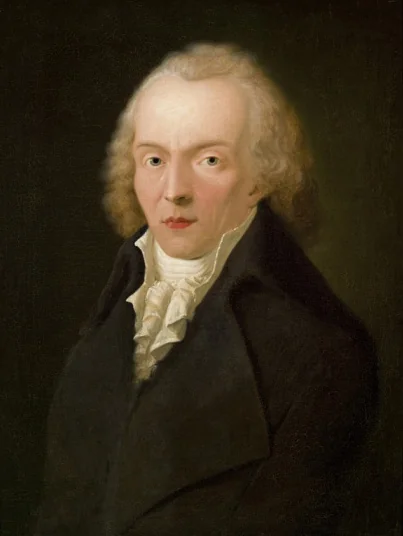
Jean Paul in Bayreuth: New Exhibition at the Historical Museum
Discover the life of Jean Paul in a new exhibition at the Historical Museum Bayreuth. A fascinating journey into the 18th century.

Tour of the exhibition "Please do not move - The Festival in the Focus of Photographers"
Photography meets festival history: Discover Bayreuth's visual memory at the Historical Museum. August 22, 2026, 3 PM, 2 €. #Bayreuth #Art

Tour on the Traces of Medieval Bayreuth
Discover Bayreuth's medieval traces in a free city tour at Kirchplatz. History, urban scenery, and genuine exploration await. #Bayreuth

Curator's Tour at the Historical Museum Bayreuth
An evening full of city history and museum insights at the Historical Museum Bayreuth. Curator's tour with Martina Ruppert on 03.09.2026. #Bayreuth #Museum
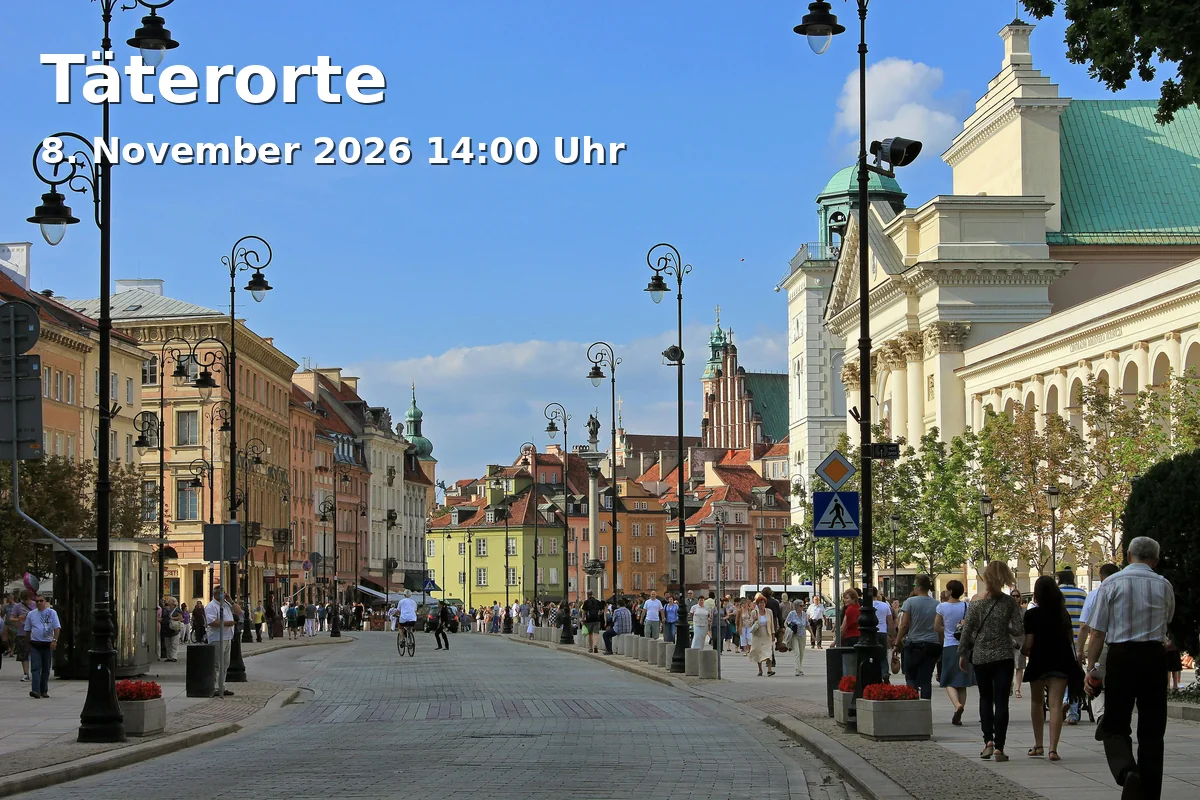
Offender Locations
An emotional walk through Bayreuth's Nazi history: Offender Locations leads to historical sites and makes remembrance tangible on site. 08.11.2026, 1 €. Discover now. #Bayreuth
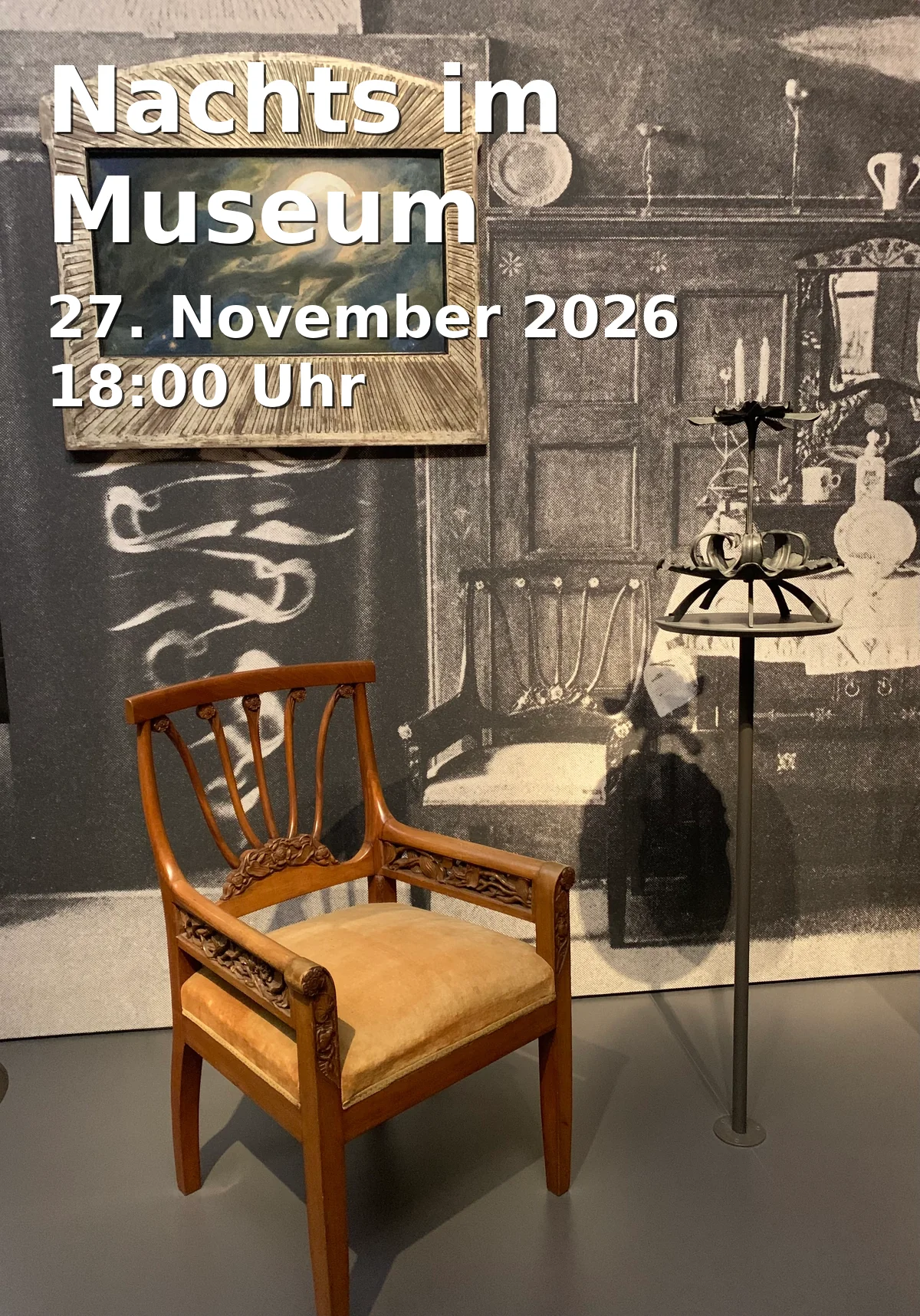
Nights at the Museum
Experience Bayreuth's history in the dark: The flashlight tour at the Historical Museum combines excitement, education, and atmosphere. Now save the date. #Bayreuth #Museum
Frequently Asked Questions
Reviews
Dave Ding
21. September 2018
The museum itself is good. But do remember to come out at least 5 minutes before it closes (it closes quite early and there was no announcement about closing up). I was locked in the museum 2 minutes before the official closing time and had to call the police to get me out. It’s a little bit disappointing after so many things happened.
Michael Harrison
16. April 2024
Small museum but with very powerful exhibits. I wish they had more explanation in English but still a very interesting visit.
Jan L
30. October 2019
If you want to know what is interesting about Bayreuth beyond Wagner, this is the place to go.
Angelo V.
31. December 2018
Absolutely a great place!
Oleksandr Plyska
31. December 2025
An interesting place that you definitely should visit. It takes about two hours to see all the exhibits. Friendly staff, free entry on all floors! Highly recommended.