
Bayreuth
Nordring 2, 95445 Bayreuth-Schießhaus, Deutschland
District Hospital Bayreuth | Psychiatry & Psychosomatics
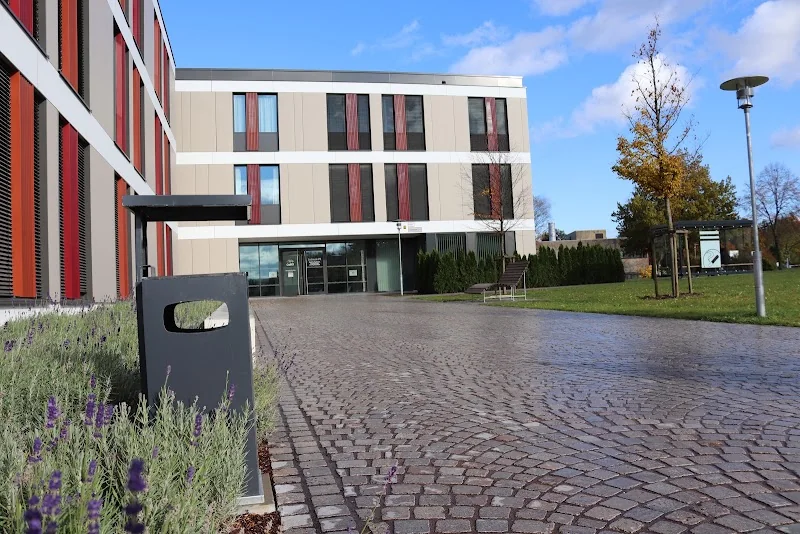
The District Hospital Bayreuth is one of the defining specialist addresses for mental, psychosomatic, and neuropsychiatric disorders in Upper Franconia. On the premises at Nordring 2, people of all ages are treated on an outpatient, partial inpatient, and inpatient basis, and the clinic operates as part of GeBO and as an academic teaching hospital of Friedrich-Alexander-University Erlangen-Nuremberg. Official information states that the location has 339 inpatient, 119 partial inpatient, and 187 treatment places in compulsory treatment, while the hospital plan of the Free State of Bavaria lists the facility with 393 beds and places. Additionally, there is the centrally located site in Bayreuth, proximity to the Rotmaintal, the park-like grounds, and the repeatedly confirmed role as a modern specialist hospital with a wide range of treatment options. ([gebo-med.de](https://www.gebo-med.de/standorte/bezirkskrankenhaus-bayreuth))
Psychiatric Institute Outpatient Clinic, Depression Center, and Psychosomatics
At the center of adult psychiatry is the Clinic for Psychiatry, Psychotherapy, and Psychosomatics with its broad internal differentiation. Clearly defined areas include General Acute Psychiatry, Psychosomatic Medicine and Psychotherapy, Clinical Addiction Medicine with Substitution Outpatient Clinic, Geriatric Psychiatry and Psychotherapy, Clinical Social Psychiatry, the psychiatric-pedagogical area for intellectually impaired patients with mental disorders, as well as the Depression Center with three specialized wards and a brain stimulation center. This spectrum is complemented by a day clinic with its own units and station-integrated day clinic treatment, as well as the Psychiatric Institute Outpatient Clinic with its subspecializations for depression, addiction, psychoses, memory outpatient clinic, ADHD diagnostics, as well as borderline and trauma-specific offerings. This combination of inpatient, partial inpatient, and outpatient treatment makes the location particularly relevant for inquiries regarding psychiatry, psychosomatic medicine, and institute outpatient clinics. ([gebo-med.de](https://www.gebo-med.de/standorte/bezirkskrankenhaus-bayreuth))
The non-bed-holding areas are also an important quality feature of the facility. The clinic explicitly mentions occupational therapy with performance diagnostics, design, music, and art therapy, as well as the department for Psychiatric Sports and Movement Therapy and Body Psychotherapy. For patients, this is more than just an additional offer, as it shows that treatment at the District Hospital Bayreuth means not only medical diagnostics but also, in many cases, structured activation, creative processes, and body-oriented support. The facility is also recognized regionally for depression treatment, in the diagnostics and treatment of dementia patients at the Dementia Center Bayreuth, in psychosis psychotherapy, in Clinical Addiction Medicine, and in acute psychosomatic disorders. The official website also refers to an extensive continuing education curriculum, full training authorizations in several specialties, and integration into the Medical Campus Upper Franconia. This makes it clear that the District Hospital Bayreuth is not only a place of treatment but also a training and competence center. ([gebo-med.de](https://www.gebo-med.de/standorte/bezirkskrankenhaus-bayreuth))
Child and Adolescent Psychiatry in Bayreuth
Another central area of inquiry and information is the Clinic for Psychiatry, Psychotherapy, and Psychosomatics for children and adolescents. Officially, there are 60 beds, 14 day clinic places, and a Psychiatric Institute Outpatient Clinic in Bayreuth; additionally, there are further locations with 12 partial inpatient treatment places or institute outpatient clinics in Coburg, Hof, and Bamberg. Disorders treated include child and adolescent psychiatric disorders such as depression, ADHD, and addiction, psychosomatic disorders, behavioral problems, as well as developmental, learning, and performance disorders. Autism is explicitly mentioned as a competence area. Thus, the location not only addresses classic psychiatric issues but also developmental and stress-related topics that are often closely associated with school, family, and social environment during adolescence. ([bezirk-oberfranken.de](https://www.bezirk-oberfranken.de/gesundheit/gesundheitseinrichtungen-des-bezirks-oberfranken-gebo/bezirkskrankenhaus-bayreuth))
The official history shows how much this area has been expanded in recent years. The Clinic for Child and Adolescent Psychiatry and Psychotherapy was founded in 1994, a day clinic with an institute outpatient clinic was established in 2001, and in 2020, a temporary building for the child and adolescent area was put into operation. Current location information also describes that the clinic is about to expand to 60 beds and 12 day clinic places, and a complete new building for child and adolescent psychiatry and psychotherapy is planned. It is important for families that the facility not only offers inpatient structures but also provides outpatient and partial inpatient points of contact. This facilitates graduated treatment paths, aftercare, and transitions between clinic, everyday life, and school. Those seeking psychiatric help for children and adolescents in Bayreuth will thus find a well-established and clearly described focus of care here. ([bezirk-oberfranken.de](https://www.bezirk-oberfranken.de/gesundheit/gesundheitseinrichtungen-des-bezirks-oberfranken-gebo/bezirkskrankenhaus-bayreuth))
Forensic Psychiatry and Compulsory Treatment
The Clinic for Forensic Psychiatry is responsible for psychiatric compulsory treatment in the government district of Upper Franconia at the District Hospital Bayreuth. According to the official description, the area is divided into separate treatment areas for general psychiatric compulsory treatment according to § 63 StGB and for the compulsory treatment of addicted individuals according to § 64 StGB. The forensic section additionally explains that placement in compulsory treatment may be time-limited or fundamentally unlimited depending on the case, and that the mandate lies in the treatment of the mental illness as well as in the widest possible resocialization. This is an important factual difference from classic acute wards and explains why forensic psychiatry at the location is an independent, highly specialized area. ([gebo-med.de](https://www.gebo-med.de/standorte/bezirkskrankenhaus-bayreuth/klinik-fuer-forensische-psychiatrie))
For relatives, there is a designated contact person on the official site who supports inquiries regarding visiting rules and orientation. Additionally, the Forensic Outpatient Clinic is separately named, emphasizing the importance of aftercare and further support. In the impressions of the forensic section, there are not only exterior views but also pictures from the gardening and occupational therapy; furthermore, the site refers to an audio contribution, videos, and other media insights. This is particularly important for inquiries about photos or insights, as the official website not only provides dry contact details but also conveys a structured impression of everyday life and therapeutic offerings in compulsory treatment. The area is thus not only professionally relevant but also a central part of the facility in public perception. ([gebo-med.de](https://www.gebo-med.de/standorte/bezirkskrankenhaus-bayreuth/klinik-fuer-forensische-psychiatrie))
Directions, Parking, and Bus Line 309
The District Hospital Bayreuth is centrally located in the festival city of Bayreuth and in close proximity to the Rotmaintal. The official visitor and location information states the address Nordring 2, 95445 Bayreuth, and describes the entrance to the parking lot directly via Nordring. It is particularly important for visitors that there is a free parking lot available at the entrance to the clinic grounds. The required parking ticket can be validated at the respective station. This makes arriving by car relatively uncomplicated, which is a clear advantage for patients, visitors, and relatives during visits or outpatient appointments. Additionally, the facility describes its grounds as park-like with many walking paths, resting benches, and views of the Rotmaintal. There is also a mindfulness path on the premises that aims to make the surroundings experienceable with all senses. ([gebo-med.de](https://www.gebo-med.de/standorte/bezirkskrankenhaus-bayreuth))
For those wishing to use public transport, there is also concrete information available. According to the official location page, city bus line 309 can be used; it runs from the central bus stop and the train station to the hospital. The specified time windows are from 7:35 to 18:35 from ZOH and from 7:37 to 18:37 from the train station on weekdays. These details are particularly relevant for relatives, outpatient patients, and first visits, as they significantly ease planning. In combination with the parking option directly at Nordring and the central location, a profile emerges that is easily accessible for both drivers and public transport users. Those specifically looking for directions, parking, or bus connections for the District Hospital Bayreuth will find a clear and official answer directly from the facility. ([gebo-med.de](https://www.gebo-med.de/standorte/bezirkskrankenhaus-bayreuth))
Admission, Rooms, Stay, and Service
Admission to the District Hospital Bayreuth takes place directly on the respective wards. According to the official site, a referral from a practicing physician, the insurance card, and possibly the pension insurance number are usually required for admission. Additionally, the facility points out that important treatment documents should be brought along in consultation with the doctor and that valuables or excessive luggage should be avoided. Furthermore, a treatment contract is concluded upon admission, and the clinic takes care of the cost approval from the health insurance, provided it is not already brought along. These notes are particularly relevant for anyone wanting to inform themselves in advance about the process of an inpatient admission and who relies on concrete, reliable information. ([gebo-med.de](https://www.gebo-med.de/standorte/bezirkskrankenhaus-bayreuth))
The accommodation and service are also transparently described. The facility offers single, double, and triple rooms; the patient rooms are equipped with a wet room, sink, shower, and toilet, and there are common rooms with televisions on the wards. Phone cards can be purchased at the administration's cash desk, and as an optional service, single or double rooms as well as treatment by the chief physician are possible. Visitors are explicitly welcome but are encouraged to schedule their visits preferably in the afternoon. The catering is based on nutritional science considerations and takes seasonal and regional offerings into account; vegan meals are also prepared upon request. Additionally, there is a centrally located cafeteria at the info point with indoor and outdoor seating, daily specials, snacks, and opening hours from Monday to Friday between 11 AM and 4 PM. The stay is complemented by patient advocacy, a hospital chaplaincy with open offers, services, discussion groups, and meditative formats. This mix of organization, care, and support makes the stay information particularly valuable for many inquiries. ([gebo-med.de](https://www.gebo-med.de/standorte/bezirkskrankenhaus-bayreuth))
History since 1870 and Current Expansion
The history of the District Hospital Bayreuth dates back to 1870. The commemorative publication for the 150th anniversary documents the opening of the then district insane asylum with 250 beds. This was followed by several significant renaming and development steps: in 1906, the district insane asylum became the Bayreuth Healing and Care Institution, in 1964 it became the Bayreuth Nervous Hospital, and finally in 1998, it became the District Hospital. Later milestones included the establishment of a neurological department in 1949, the provisional reopening after the war in 1947, the founding of child and adolescent psychiatry in 1994, the new building of forensic psychiatry in 1995, the day clinic with institute outpatient clinic for child and adolescent psychiatry in 2001, and the formation of the municipal enterprise in 2005. In 2016, the company was named GeBO, in 2018 a partial new building of the Clinic for Psychiatry, Psychotherapy, and Psychosomatics was put into operation, and in 2020, a temporary building for child and adolescent psychiatry was opened. ([gebo-med.de](https://www.gebo-med.de/fileadmin/user_upload/Bezirkskrankenhaus_Bayreuth/Downloads/Festschrift_Bezirkskrankenhaus_Bayreuth.pdf))
The current development shows that the location is by no means finished but is continuously modernizing. The official site describes that a new clinic building for psychotherapy stations has been put into operation while the older central building is being renovated to consolidate addiction stations, general psychiatric stations, geriatric psychiatric stations, a social psychiatric station with integrated ECT unit, and a monitoring station under one roof. Another new construction phase is planned for forensic psychiatry, and the child and adolescent area is also set for further expansion. The District Hospital Bayreuth is thus not standing still but is consistently further developing its structural and professional framework. Additionally, there is integration into the Medical Campus Upper Franconia, full training authorization in several specialties, and multiple awards as a top hospital. Therefore, anyone looking for a modern psychiatric specialist clinic in Bayreuth will find here an institution with historical depth, clear treatment focuses, and an ongoing investment and expansion process. ([gebo-med.de](https://www.gebo-med.de/standorte/bezirkskrankenhaus-bayreuth))
Sources:
- District Upper Franconia - District Hospital Bayreuth
- GeBO - District Hospital Bayreuth
- GeBO - Clinic for Psychiatry, Psychotherapy, and Psychosomatics
- GeBO - Clinic for Forensic Psychiatry
- GeBO - Commemorative Publication 1870 to 2020
- Government of Upper Franconia - Hospitals in the Government District of Upper Franconia
Mehr anzeigenWeniger anzeigen
District Hospital Bayreuth | Psychiatry & Psychosomatics
The District Hospital Bayreuth is one of the defining specialist addresses for mental, psychosomatic, and neuropsychiatric disorders in Upper Franconia. On the premises at Nordring 2, people of all ages are treated on an outpatient, partial inpatient, and inpatient basis, and the clinic operates as part of GeBO and as an academic teaching hospital of Friedrich-Alexander-University Erlangen-Nuremberg. Official information states that the location has 339 inpatient, 119 partial inpatient, and 187 treatment places in compulsory treatment, while the hospital plan of the Free State of Bavaria lists the facility with 393 beds and places. Additionally, there is the centrally located site in Bayreuth, proximity to the Rotmaintal, the park-like grounds, and the repeatedly confirmed role as a modern specialist hospital with a wide range of treatment options. ([gebo-med.de](https://www.gebo-med.de/standorte/bezirkskrankenhaus-bayreuth))
Psychiatric Institute Outpatient Clinic, Depression Center, and Psychosomatics
At the center of adult psychiatry is the Clinic for Psychiatry, Psychotherapy, and Psychosomatics with its broad internal differentiation. Clearly defined areas include General Acute Psychiatry, Psychosomatic Medicine and Psychotherapy, Clinical Addiction Medicine with Substitution Outpatient Clinic, Geriatric Psychiatry and Psychotherapy, Clinical Social Psychiatry, the psychiatric-pedagogical area for intellectually impaired patients with mental disorders, as well as the Depression Center with three specialized wards and a brain stimulation center. This spectrum is complemented by a day clinic with its own units and station-integrated day clinic treatment, as well as the Psychiatric Institute Outpatient Clinic with its subspecializations for depression, addiction, psychoses, memory outpatient clinic, ADHD diagnostics, as well as borderline and trauma-specific offerings. This combination of inpatient, partial inpatient, and outpatient treatment makes the location particularly relevant for inquiries regarding psychiatry, psychosomatic medicine, and institute outpatient clinics. ([gebo-med.de](https://www.gebo-med.de/standorte/bezirkskrankenhaus-bayreuth))
The non-bed-holding areas are also an important quality feature of the facility. The clinic explicitly mentions occupational therapy with performance diagnostics, design, music, and art therapy, as well as the department for Psychiatric Sports and Movement Therapy and Body Psychotherapy. For patients, this is more than just an additional offer, as it shows that treatment at the District Hospital Bayreuth means not only medical diagnostics but also, in many cases, structured activation, creative processes, and body-oriented support. The facility is also recognized regionally for depression treatment, in the diagnostics and treatment of dementia patients at the Dementia Center Bayreuth, in psychosis psychotherapy, in Clinical Addiction Medicine, and in acute psychosomatic disorders. The official website also refers to an extensive continuing education curriculum, full training authorizations in several specialties, and integration into the Medical Campus Upper Franconia. This makes it clear that the District Hospital Bayreuth is not only a place of treatment but also a training and competence center. ([gebo-med.de](https://www.gebo-med.de/standorte/bezirkskrankenhaus-bayreuth))
Child and Adolescent Psychiatry in Bayreuth
Another central area of inquiry and information is the Clinic for Psychiatry, Psychotherapy, and Psychosomatics for children and adolescents. Officially, there are 60 beds, 14 day clinic places, and a Psychiatric Institute Outpatient Clinic in Bayreuth; additionally, there are further locations with 12 partial inpatient treatment places or institute outpatient clinics in Coburg, Hof, and Bamberg. Disorders treated include child and adolescent psychiatric disorders such as depression, ADHD, and addiction, psychosomatic disorders, behavioral problems, as well as developmental, learning, and performance disorders. Autism is explicitly mentioned as a competence area. Thus, the location not only addresses classic psychiatric issues but also developmental and stress-related topics that are often closely associated with school, family, and social environment during adolescence. ([bezirk-oberfranken.de](https://www.bezirk-oberfranken.de/gesundheit/gesundheitseinrichtungen-des-bezirks-oberfranken-gebo/bezirkskrankenhaus-bayreuth))
The official history shows how much this area has been expanded in recent years. The Clinic for Child and Adolescent Psychiatry and Psychotherapy was founded in 1994, a day clinic with an institute outpatient clinic was established in 2001, and in 2020, a temporary building for the child and adolescent area was put into operation. Current location information also describes that the clinic is about to expand to 60 beds and 12 day clinic places, and a complete new building for child and adolescent psychiatry and psychotherapy is planned. It is important for families that the facility not only offers inpatient structures but also provides outpatient and partial inpatient points of contact. This facilitates graduated treatment paths, aftercare, and transitions between clinic, everyday life, and school. Those seeking psychiatric help for children and adolescents in Bayreuth will thus find a well-established and clearly described focus of care here. ([bezirk-oberfranken.de](https://www.bezirk-oberfranken.de/gesundheit/gesundheitseinrichtungen-des-bezirks-oberfranken-gebo/bezirkskrankenhaus-bayreuth))
Forensic Psychiatry and Compulsory Treatment
The Clinic for Forensic Psychiatry is responsible for psychiatric compulsory treatment in the government district of Upper Franconia at the District Hospital Bayreuth. According to the official description, the area is divided into separate treatment areas for general psychiatric compulsory treatment according to § 63 StGB and for the compulsory treatment of addicted individuals according to § 64 StGB. The forensic section additionally explains that placement in compulsory treatment may be time-limited or fundamentally unlimited depending on the case, and that the mandate lies in the treatment of the mental illness as well as in the widest possible resocialization. This is an important factual difference from classic acute wards and explains why forensic psychiatry at the location is an independent, highly specialized area. ([gebo-med.de](https://www.gebo-med.de/standorte/bezirkskrankenhaus-bayreuth/klinik-fuer-forensische-psychiatrie))
For relatives, there is a designated contact person on the official site who supports inquiries regarding visiting rules and orientation. Additionally, the Forensic Outpatient Clinic is separately named, emphasizing the importance of aftercare and further support. In the impressions of the forensic section, there are not only exterior views but also pictures from the gardening and occupational therapy; furthermore, the site refers to an audio contribution, videos, and other media insights. This is particularly important for inquiries about photos or insights, as the official website not only provides dry contact details but also conveys a structured impression of everyday life and therapeutic offerings in compulsory treatment. The area is thus not only professionally relevant but also a central part of the facility in public perception. ([gebo-med.de](https://www.gebo-med.de/standorte/bezirkskrankenhaus-bayreuth/klinik-fuer-forensische-psychiatrie))
Directions, Parking, and Bus Line 309
The District Hospital Bayreuth is centrally located in the festival city of Bayreuth and in close proximity to the Rotmaintal. The official visitor and location information states the address Nordring 2, 95445 Bayreuth, and describes the entrance to the parking lot directly via Nordring. It is particularly important for visitors that there is a free parking lot available at the entrance to the clinic grounds. The required parking ticket can be validated at the respective station. This makes arriving by car relatively uncomplicated, which is a clear advantage for patients, visitors, and relatives during visits or outpatient appointments. Additionally, the facility describes its grounds as park-like with many walking paths, resting benches, and views of the Rotmaintal. There is also a mindfulness path on the premises that aims to make the surroundings experienceable with all senses. ([gebo-med.de](https://www.gebo-med.de/standorte/bezirkskrankenhaus-bayreuth))
For those wishing to use public transport, there is also concrete information available. According to the official location page, city bus line 309 can be used; it runs from the central bus stop and the train station to the hospital. The specified time windows are from 7:35 to 18:35 from ZOH and from 7:37 to 18:37 from the train station on weekdays. These details are particularly relevant for relatives, outpatient patients, and first visits, as they significantly ease planning. In combination with the parking option directly at Nordring and the central location, a profile emerges that is easily accessible for both drivers and public transport users. Those specifically looking for directions, parking, or bus connections for the District Hospital Bayreuth will find a clear and official answer directly from the facility. ([gebo-med.de](https://www.gebo-med.de/standorte/bezirkskrankenhaus-bayreuth))
Admission, Rooms, Stay, and Service
Admission to the District Hospital Bayreuth takes place directly on the respective wards. According to the official site, a referral from a practicing physician, the insurance card, and possibly the pension insurance number are usually required for admission. Additionally, the facility points out that important treatment documents should be brought along in consultation with the doctor and that valuables or excessive luggage should be avoided. Furthermore, a treatment contract is concluded upon admission, and the clinic takes care of the cost approval from the health insurance, provided it is not already brought along. These notes are particularly relevant for anyone wanting to inform themselves in advance about the process of an inpatient admission and who relies on concrete, reliable information. ([gebo-med.de](https://www.gebo-med.de/standorte/bezirkskrankenhaus-bayreuth))
The accommodation and service are also transparently described. The facility offers single, double, and triple rooms; the patient rooms are equipped with a wet room, sink, shower, and toilet, and there are common rooms with televisions on the wards. Phone cards can be purchased at the administration's cash desk, and as an optional service, single or double rooms as well as treatment by the chief physician are possible. Visitors are explicitly welcome but are encouraged to schedule their visits preferably in the afternoon. The catering is based on nutritional science considerations and takes seasonal and regional offerings into account; vegan meals are also prepared upon request. Additionally, there is a centrally located cafeteria at the info point with indoor and outdoor seating, daily specials, snacks, and opening hours from Monday to Friday between 11 AM and 4 PM. The stay is complemented by patient advocacy, a hospital chaplaincy with open offers, services, discussion groups, and meditative formats. This mix of organization, care, and support makes the stay information particularly valuable for many inquiries. ([gebo-med.de](https://www.gebo-med.de/standorte/bezirkskrankenhaus-bayreuth))
History since 1870 and Current Expansion
The history of the District Hospital Bayreuth dates back to 1870. The commemorative publication for the 150th anniversary documents the opening of the then district insane asylum with 250 beds. This was followed by several significant renaming and development steps: in 1906, the district insane asylum became the Bayreuth Healing and Care Institution, in 1964 it became the Bayreuth Nervous Hospital, and finally in 1998, it became the District Hospital. Later milestones included the establishment of a neurological department in 1949, the provisional reopening after the war in 1947, the founding of child and adolescent psychiatry in 1994, the new building of forensic psychiatry in 1995, the day clinic with institute outpatient clinic for child and adolescent psychiatry in 2001, and the formation of the municipal enterprise in 2005. In 2016, the company was named GeBO, in 2018 a partial new building of the Clinic for Psychiatry, Psychotherapy, and Psychosomatics was put into operation, and in 2020, a temporary building for child and adolescent psychiatry was opened. ([gebo-med.de](https://www.gebo-med.de/fileadmin/user_upload/Bezirkskrankenhaus_Bayreuth/Downloads/Festschrift_Bezirkskrankenhaus_Bayreuth.pdf))
The current development shows that the location is by no means finished but is continuously modernizing. The official site describes that a new clinic building for psychotherapy stations has been put into operation while the older central building is being renovated to consolidate addiction stations, general psychiatric stations, geriatric psychiatric stations, a social psychiatric station with integrated ECT unit, and a monitoring station under one roof. Another new construction phase is planned for forensic psychiatry, and the child and adolescent area is also set for further expansion. The District Hospital Bayreuth is thus not standing still but is consistently further developing its structural and professional framework. Additionally, there is integration into the Medical Campus Upper Franconia, full training authorization in several specialties, and multiple awards as a top hospital. Therefore, anyone looking for a modern psychiatric specialist clinic in Bayreuth will find here an institution with historical depth, clear treatment focuses, and an ongoing investment and expansion process. ([gebo-med.de](https://www.gebo-med.de/standorte/bezirkskrankenhaus-bayreuth))
Sources:
- District Upper Franconia - District Hospital Bayreuth
- GeBO - District Hospital Bayreuth
- GeBO - Clinic for Psychiatry, Psychotherapy, and Psychosomatics
- GeBO - Clinic for Forensic Psychiatry
- GeBO - Commemorative Publication 1870 to 2020
- Government of Upper Franconia - Hospitals in the Government District of Upper Franconia
District Hospital Bayreuth | Psychiatry & Psychosomatics
The District Hospital Bayreuth is one of the defining specialist addresses for mental, psychosomatic, and neuropsychiatric disorders in Upper Franconia. On the premises at Nordring 2, people of all ages are treated on an outpatient, partial inpatient, and inpatient basis, and the clinic operates as part of GeBO and as an academic teaching hospital of Friedrich-Alexander-University Erlangen-Nuremberg. Official information states that the location has 339 inpatient, 119 partial inpatient, and 187 treatment places in compulsory treatment, while the hospital plan of the Free State of Bavaria lists the facility with 393 beds and places. Additionally, there is the centrally located site in Bayreuth, proximity to the Rotmaintal, the park-like grounds, and the repeatedly confirmed role as a modern specialist hospital with a wide range of treatment options. ([gebo-med.de](https://www.gebo-med.de/standorte/bezirkskrankenhaus-bayreuth))
Psychiatric Institute Outpatient Clinic, Depression Center, and Psychosomatics
At the center of adult psychiatry is the Clinic for Psychiatry, Psychotherapy, and Psychosomatics with its broad internal differentiation. Clearly defined areas include General Acute Psychiatry, Psychosomatic Medicine and Psychotherapy, Clinical Addiction Medicine with Substitution Outpatient Clinic, Geriatric Psychiatry and Psychotherapy, Clinical Social Psychiatry, the psychiatric-pedagogical area for intellectually impaired patients with mental disorders, as well as the Depression Center with three specialized wards and a brain stimulation center. This spectrum is complemented by a day clinic with its own units and station-integrated day clinic treatment, as well as the Psychiatric Institute Outpatient Clinic with its subspecializations for depression, addiction, psychoses, memory outpatient clinic, ADHD diagnostics, as well as borderline and trauma-specific offerings. This combination of inpatient, partial inpatient, and outpatient treatment makes the location particularly relevant for inquiries regarding psychiatry, psychosomatic medicine, and institute outpatient clinics. ([gebo-med.de](https://www.gebo-med.de/standorte/bezirkskrankenhaus-bayreuth))
The non-bed-holding areas are also an important quality feature of the facility. The clinic explicitly mentions occupational therapy with performance diagnostics, design, music, and art therapy, as well as the department for Psychiatric Sports and Movement Therapy and Body Psychotherapy. For patients, this is more than just an additional offer, as it shows that treatment at the District Hospital Bayreuth means not only medical diagnostics but also, in many cases, structured activation, creative processes, and body-oriented support. The facility is also recognized regionally for depression treatment, in the diagnostics and treatment of dementia patients at the Dementia Center Bayreuth, in psychosis psychotherapy, in Clinical Addiction Medicine, and in acute psychosomatic disorders. The official website also refers to an extensive continuing education curriculum, full training authorizations in several specialties, and integration into the Medical Campus Upper Franconia. This makes it clear that the District Hospital Bayreuth is not only a place of treatment but also a training and competence center. ([gebo-med.de](https://www.gebo-med.de/standorte/bezirkskrankenhaus-bayreuth))
Child and Adolescent Psychiatry in Bayreuth
Another central area of inquiry and information is the Clinic for Psychiatry, Psychotherapy, and Psychosomatics for children and adolescents. Officially, there are 60 beds, 14 day clinic places, and a Psychiatric Institute Outpatient Clinic in Bayreuth; additionally, there are further locations with 12 partial inpatient treatment places or institute outpatient clinics in Coburg, Hof, and Bamberg. Disorders treated include child and adolescent psychiatric disorders such as depression, ADHD, and addiction, psychosomatic disorders, behavioral problems, as well as developmental, learning, and performance disorders. Autism is explicitly mentioned as a competence area. Thus, the location not only addresses classic psychiatric issues but also developmental and stress-related topics that are often closely associated with school, family, and social environment during adolescence. ([bezirk-oberfranken.de](https://www.bezirk-oberfranken.de/gesundheit/gesundheitseinrichtungen-des-bezirks-oberfranken-gebo/bezirkskrankenhaus-bayreuth))
The official history shows how much this area has been expanded in recent years. The Clinic for Child and Adolescent Psychiatry and Psychotherapy was founded in 1994, a day clinic with an institute outpatient clinic was established in 2001, and in 2020, a temporary building for the child and adolescent area was put into operation. Current location information also describes that the clinic is about to expand to 60 beds and 12 day clinic places, and a complete new building for child and adolescent psychiatry and psychotherapy is planned. It is important for families that the facility not only offers inpatient structures but also provides outpatient and partial inpatient points of contact. This facilitates graduated treatment paths, aftercare, and transitions between clinic, everyday life, and school. Those seeking psychiatric help for children and adolescents in Bayreuth will thus find a well-established and clearly described focus of care here. ([bezirk-oberfranken.de](https://www.bezirk-oberfranken.de/gesundheit/gesundheitseinrichtungen-des-bezirks-oberfranken-gebo/bezirkskrankenhaus-bayreuth))
Forensic Psychiatry and Compulsory Treatment
The Clinic for Forensic Psychiatry is responsible for psychiatric compulsory treatment in the government district of Upper Franconia at the District Hospital Bayreuth. According to the official description, the area is divided into separate treatment areas for general psychiatric compulsory treatment according to § 63 StGB and for the compulsory treatment of addicted individuals according to § 64 StGB. The forensic section additionally explains that placement in compulsory treatment may be time-limited or fundamentally unlimited depending on the case, and that the mandate lies in the treatment of the mental illness as well as in the widest possible resocialization. This is an important factual difference from classic acute wards and explains why forensic psychiatry at the location is an independent, highly specialized area. ([gebo-med.de](https://www.gebo-med.de/standorte/bezirkskrankenhaus-bayreuth/klinik-fuer-forensische-psychiatrie))
For relatives, there is a designated contact person on the official site who supports inquiries regarding visiting rules and orientation. Additionally, the Forensic Outpatient Clinic is separately named, emphasizing the importance of aftercare and further support. In the impressions of the forensic section, there are not only exterior views but also pictures from the gardening and occupational therapy; furthermore, the site refers to an audio contribution, videos, and other media insights. This is particularly important for inquiries about photos or insights, as the official website not only provides dry contact details but also conveys a structured impression of everyday life and therapeutic offerings in compulsory treatment. The area is thus not only professionally relevant but also a central part of the facility in public perception. ([gebo-med.de](https://www.gebo-med.de/standorte/bezirkskrankenhaus-bayreuth/klinik-fuer-forensische-psychiatrie))
Directions, Parking, and Bus Line 309
The District Hospital Bayreuth is centrally located in the festival city of Bayreuth and in close proximity to the Rotmaintal. The official visitor and location information states the address Nordring 2, 95445 Bayreuth, and describes the entrance to the parking lot directly via Nordring. It is particularly important for visitors that there is a free parking lot available at the entrance to the clinic grounds. The required parking ticket can be validated at the respective station. This makes arriving by car relatively uncomplicated, which is a clear advantage for patients, visitors, and relatives during visits or outpatient appointments. Additionally, the facility describes its grounds as park-like with many walking paths, resting benches, and views of the Rotmaintal. There is also a mindfulness path on the premises that aims to make the surroundings experienceable with all senses. ([gebo-med.de](https://www.gebo-med.de/standorte/bezirkskrankenhaus-bayreuth))
For those wishing to use public transport, there is also concrete information available. According to the official location page, city bus line 309 can be used; it runs from the central bus stop and the train station to the hospital. The specified time windows are from 7:35 to 18:35 from ZOH and from 7:37 to 18:37 from the train station on weekdays. These details are particularly relevant for relatives, outpatient patients, and first visits, as they significantly ease planning. In combination with the parking option directly at Nordring and the central location, a profile emerges that is easily accessible for both drivers and public transport users. Those specifically looking for directions, parking, or bus connections for the District Hospital Bayreuth will find a clear and official answer directly from the facility. ([gebo-med.de](https://www.gebo-med.de/standorte/bezirkskrankenhaus-bayreuth))
Admission, Rooms, Stay, and Service
Admission to the District Hospital Bayreuth takes place directly on the respective wards. According to the official site, a referral from a practicing physician, the insurance card, and possibly the pension insurance number are usually required for admission. Additionally, the facility points out that important treatment documents should be brought along in consultation with the doctor and that valuables or excessive luggage should be avoided. Furthermore, a treatment contract is concluded upon admission, and the clinic takes care of the cost approval from the health insurance, provided it is not already brought along. These notes are particularly relevant for anyone wanting to inform themselves in advance about the process of an inpatient admission and who relies on concrete, reliable information. ([gebo-med.de](https://www.gebo-med.de/standorte/bezirkskrankenhaus-bayreuth))
The accommodation and service are also transparently described. The facility offers single, double, and triple rooms; the patient rooms are equipped with a wet room, sink, shower, and toilet, and there are common rooms with televisions on the wards. Phone cards can be purchased at the administration's cash desk, and as an optional service, single or double rooms as well as treatment by the chief physician are possible. Visitors are explicitly welcome but are encouraged to schedule their visits preferably in the afternoon. The catering is based on nutritional science considerations and takes seasonal and regional offerings into account; vegan meals are also prepared upon request. Additionally, there is a centrally located cafeteria at the info point with indoor and outdoor seating, daily specials, snacks, and opening hours from Monday to Friday between 11 AM and 4 PM. The stay is complemented by patient advocacy, a hospital chaplaincy with open offers, services, discussion groups, and meditative formats. This mix of organization, care, and support makes the stay information particularly valuable for many inquiries. ([gebo-med.de](https://www.gebo-med.de/standorte/bezirkskrankenhaus-bayreuth))
History since 1870 and Current Expansion
The history of the District Hospital Bayreuth dates back to 1870. The commemorative publication for the 150th anniversary documents the opening of the then district insane asylum with 250 beds. This was followed by several significant renaming and development steps: in 1906, the district insane asylum became the Bayreuth Healing and Care Institution, in 1964 it became the Bayreuth Nervous Hospital, and finally in 1998, it became the District Hospital. Later milestones included the establishment of a neurological department in 1949, the provisional reopening after the war in 1947, the founding of child and adolescent psychiatry in 1994, the new building of forensic psychiatry in 1995, the day clinic with institute outpatient clinic for child and adolescent psychiatry in 2001, and the formation of the municipal enterprise in 2005. In 2016, the company was named GeBO, in 2018 a partial new building of the Clinic for Psychiatry, Psychotherapy, and Psychosomatics was put into operation, and in 2020, a temporary building for child and adolescent psychiatry was opened. ([gebo-med.de](https://www.gebo-med.de/fileadmin/user_upload/Bezirkskrankenhaus_Bayreuth/Downloads/Festschrift_Bezirkskrankenhaus_Bayreuth.pdf))
The current development shows that the location is by no means finished but is continuously modernizing. The official site describes that a new clinic building for psychotherapy stations has been put into operation while the older central building is being renovated to consolidate addiction stations, general psychiatric stations, geriatric psychiatric stations, a social psychiatric station with integrated ECT unit, and a monitoring station under one roof. Another new construction phase is planned for forensic psychiatry, and the child and adolescent area is also set for further expansion. The District Hospital Bayreuth is thus not standing still but is consistently further developing its structural and professional framework. Additionally, there is integration into the Medical Campus Upper Franconia, full training authorization in several specialties, and multiple awards as a top hospital. Therefore, anyone looking for a modern psychiatric specialist clinic in Bayreuth will find here an institution with historical depth, clear treatment focuses, and an ongoing investment and expansion process. ([gebo-med.de](https://www.gebo-med.de/standorte/bezirkskrankenhaus-bayreuth))
Sources:
- District Upper Franconia - District Hospital Bayreuth
- GeBO - District Hospital Bayreuth
- GeBO - Clinic for Psychiatry, Psychotherapy, and Psychosomatics
- GeBO - Clinic for Forensic Psychiatry
- GeBO - Commemorative Publication 1870 to 2020
- Government of Upper Franconia - Hospitals in the Government District of Upper Franconia

Frequently Asked Questions
Reviews
No reviews found