
Beatrix (Niederlande)
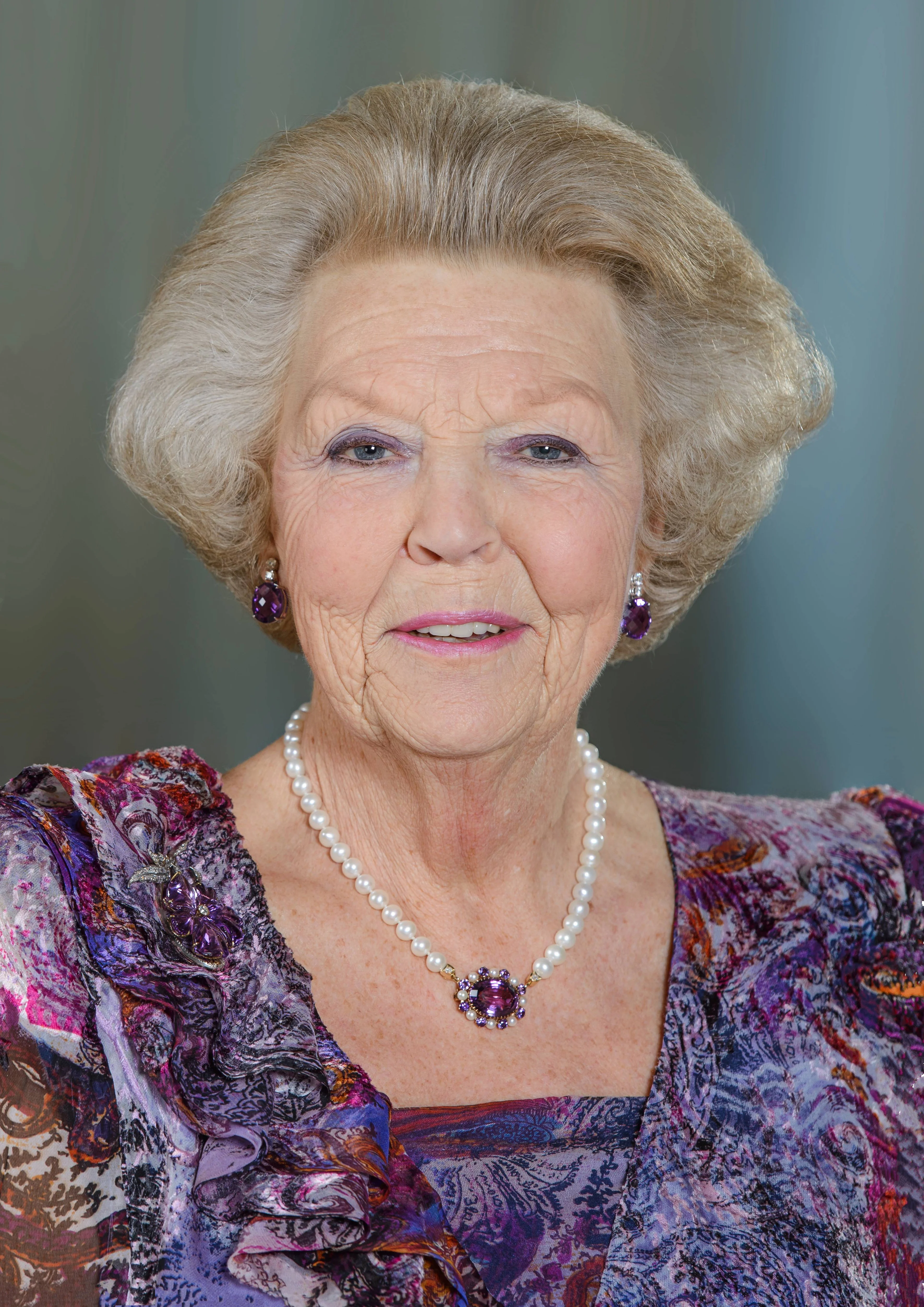
Image from Wikipedia
Image from Wikipedia
Beatrix of the Netherlands – A Formative Personality of the European Royal Family
A Queen Between Tradition, Responsibility, and Modern State Understanding
Beatrix Wilhelmina Armgard, Princess of the Netherlands, Princess of Orange-Nassau, and Princess of Lippe-Biesterfeld, is one of the most prominent figures in Dutch contemporary history. Born on January 31, 1938, in Baarn, she took over the office of Queen of the Netherlands on April 30, 1980, and shaped the country for more than three decades. Since her abdication on April 30, 2013, she has held the official title of Her Royal Highness Princess Beatrix of the Netherlands.
Although Beatrix is not a musician in the strictest sense, her biography lends itself to a cultural-historical classification of state, representation, and public impact. Her life story stands for continuity, institutional stability, and a finely balanced understanding of tradition and change. This very role made her a key figure of the Dutch monarchy in the late 20th and early 21st centuries.
Early Years and Formative Background
Beatrix was born into a royal family whose public role was closely tied to the political upheavals in Europe from the very beginning. After the Wehrmacht occupied the Netherlands in May 1940, the family secretly fled to Great Britain. This experience of exile, uncertainty, and return shaped the historical framework of her childhood and her sense of self.
The combination of dynastic heritage and political reality gave particular depth to her later governance. Beatrix grew up in an environment where a sense of statehood, a sense of duty, and an international perspective were interconnected. Therefore, her biography is not only a royal life story but also a reflection of European post-war experience.
Education, World Understanding, and Personal Maturity
During her studies, Beatrix engaged with the culture of Suriname and the Dutch Antilles, as well as the status of the Kingdom of the Netherlands, international affairs, international law, history, and European law. This academic orientation points to an unusually broad understanding of statehood. She combined legal, historical, and political knowledge with the ambition to exercise her office not only representatively but also with substantive foundation.
In a monarchical order, education gains an institutional function. It became evident early on that Beatrix understood her office as a responsible task and not merely as a ceremonial role. This made her a credible and respected figure among many Dutch citizens.
The Path to Queen of the Netherlands
On April 30, 1980, Beatrix took over the office from her mother Juliana and became Queen of the Netherlands. This marked the beginning of a long reign accompanied by social change, European integration, and political upheavals. Her reign lasted until April 30, 2013, when she handed the crown to her son Willem-Alexander.
Throughout these years, Beatrix embodied a monarchy that emphasized dignity, stability, and restraint. Her presence in public life was characterized by clear state interests. In an era of increasing media presence, she remained a symbol of continuity and institutional reliability.
Political Role and Influence within the State Structure
Beatrix had the greatest opportunity for influence after parliamentary elections when multiple parties are traditionally fairly evenly matched in the Netherlands. During this phase, it was her duty to appoint a politician to form a government. This mechanism made her function an important part of the parliamentary system.
In 2012, the parliament decided to revoke this role from the head of state. This changed the institutional weight of the monarchy, and a central part of her political participation ended. Nevertheless, Beatrix remains an important reference point for understanding that phase in which the monarchy was still more directly involved in political processes.
Style, Presence, and Public Perception
For decades, Beatrix was regarded as sober, controlled, and highly professional. Her demeanor was characterized by discipline, attentiveness, and a clear language of public duty. These qualities made her a monarch who convinced less through personal staging and more through reliability.
This form of representation generated cultural authority. Beatrix represented a royal presence that understood distance not as coldness but as a form of institutional dignity. Her public image thus developed into a fixed component of Dutch identity.
Abdication and New Chapter as Princess Beatrix
With her abdication in 2013, Beatrix concluded one of the longest reigns in the history of the Dutch monarchy. The transition to her son Willem-Alexander was orderly and symbolized a controlled, consciously designed model of generational change. Her new official title as Princess Beatrix of the Netherlands marked the shift from active rule to a dignified presence in the background.
This decision underscored her understanding of statehood: the office stands above the individual, and knowing the right time to step back is also part of the responsibility. Beatrix remarkably combined self-distancing with institutional consciousness. Her resignation was thus perceived not as a loss but as a sign of political maturity.
Cultural Influence and Historical Significance
Beatrix has shaped the Dutch monarchy during a phase of societal modernization and provided it with a reliable face. Her reign accompanied economic, political, and cultural changes without the crown losing its symbolic authority. In this sense, she became one of the most formative political figures of contemporary Dutch history.
Her influence lies less in spectacular individual events and more in the duration, quality, and stability of her public role. To understand Beatrix is to recognize the interplay of tradition, responsibility, and institutional elegance. This is what makes her biography exciting even today.
Conclusion: A Monarch with Lasting Charisma
Beatrix represents a monarchy that prioritizes substance over volume. Her biography tells of a woman who filled the role of Queen for decades with seriousness, education, and stylistic clarity. Her life narrates European history, state continuity, and a form of public authority that continues to resonate even after her abdication.
It is this blend of dignity, political influence, and historical depth that makes Beatrix a fascinating personality. Anyone interested in Dutch history, monarchy, and European culture finds in her an extraordinary figure. Her life story is worth examining closely—as a portrait of a queen who has shaped her country across generations.
Official Channels of Beatrix (Netherlands):
- Instagram: https://www.koninklijkhuis.nl/onderwerpen/organisatie/pers-en-media/social-media
- Facebook: https://www.koninklijkhuis.nl/onderwerpen/organisatie/pers-en-media/social-media
- YouTube: https://www.koninklijkhuis.nl/onderwerpen/organisatie/pers-en-media/social-media
- Spotify: no official profile found
- TikTok: no official profile found