
Colette
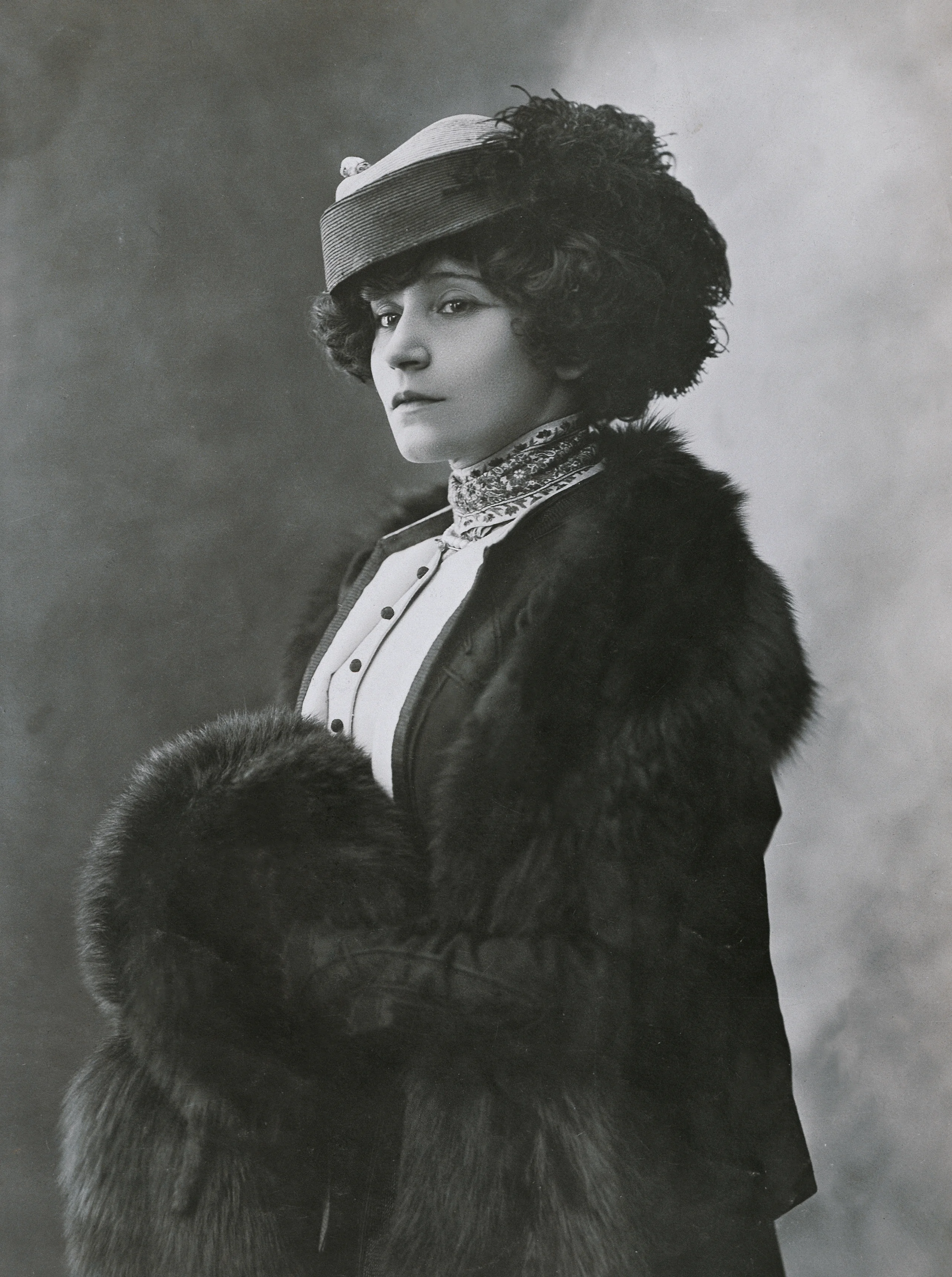
Image from Wikipedia
Image from Wikipedia
Colette – The Iconic Voice of French Modernity Between Literature, Stage, and Art of Living
An Author Who Turned Her Life into Literature
Colette, born Sidonie-Gabrielle Colette on January 28, 1873, in Saint-Sauveur-en-Puisaye, is one of the prominent French authors of the 20th century. Her name embodies an extraordinary blend of self-presentation, observational skills, and stylistic precision. Early on, she became known not only for her books but also for her independence, her presence on stage, and her ability to transform her own life into art.
As a writer, variety artist, and journalist, Colette maneuvered effortlessly between literature, theater, journalism, and social life, showcasing a fluency that was ahead of her time. Her career did not develop linearly but instead progressed through several artistic phases that mutually informed one another. It is precisely this versatility that continues to render her a fascinating figure in cultural history.
Biography: From Burgundy to Paris
Colette grew up in rural Burgundy, a biographical origin that profoundly shaped her later imagery. Nature, the physicality of everyday life, and a keen perception of social rituals recur throughout her work. From this provincial background, she developed a distinctive perspective on femininity, desire, and identity.
In 1893, she married the writer and publisher Henry Gauthier-Villars, better known as Willy. Under his name, the early Claudine novels began appearing in 1896, quickly becoming successful and bringing Colette fame, even though she initially did not present herself as the official author. This early phase already reveals the tension between literary talent and a male-dominated exploitation structure, against which Colette would later increasingly emancipate herself.
The Literary Breakthrough with the Claudine Novels
The real breakthrough came with the Claudine series, which was published between 1900 and 1903 and told from a youthful, ironically sharp first-person perspective. The novels combined autobiographical elements with a modern, often cheeky character portrayal, striking a chord with a readership interested in new female voices. The texts made Colette a sensation, even though her fame was initially managed by her husband.
The Claudine books mark a turning point in French literary history because they treat female experience not as a secondary motif but as a central field of knowledge. Colette wrote about school, jealousy, body, desire, and social roles with a directness that early distinguished her work from conventional fiction. This literary immediacy remains one of her strongest trademarks to this day.
Stage, Variety, and Public Self-Assertion
After separating from Willy, Colette opened herself to another artistic realm: the stage. She performed in music halls and variety shows, combining body art, pantomime, and a consciously crafted public persona. This phase was significant for her broader music career, as it sharpened her stage presence and sense of rhythm, impact, and staging.
Her performance in a pantomime with her then partner, the Marquise Mathilde de Morny, known as Missy, was particularly eye-catching. Such performances broke with the norms of her era, making Colette an object of both admiration and scandal. This blend of artistic freedom and societal provocation solidified her reputation as an independent, unpredictable modernist.
Journalism, Observation, and the Art of Precise Formulation
Colette also worked as a journalist and critic, mainly in Paris, where she established herself as a vigilant chronicler of cultural life. Her writings exhibit a keen eye for nuances, gestures, and social masks that go beyond mere reporting. This journalistic practice sharpened her style: concise, sensual, precise, and open to ambiguity.
This combination of observation and literary condensation is at the core of her authority. Colette knew how to transform everyday life into language rather than explain it. Her prose often appears as finely tuned miniatures of experience, where private emotion and societal order mirror one another.
Groups of Works and Major Books
Central works by Colette include, in addition to the Claudine novels, Chéri, La Fin de Chéri, Le Blé en herbe, La Maison de Claudine, Sido, and La Naissance du jour. These books show a remarkable evolution from early, often playful observations of young feminine self-conceptions to mature, reflective texts about memory, aging, love, and loss. In these, Colette explores the ambivalence of human relationships with great literary discipline.
Her work cannot be confined to a single genre but thrives on the permeability between novel, autobiographical sketch, journalistic vignette, and poetic prose. Especially in her later texts, it becomes evident how much Colette understood writing as a form of self-examination. Her books are characterized by a precision that never feels dry but remains sensual and musical in rhythm.
Style: Sensuality, Precision, and Modern Femininity
Colette’s style is unmistakable: clear, physical, vivid, and simultaneously infused with a quiet irony. She describes nature, skin, spaces, and relationships in a way that creates an atmosphere from concrete details. This connection between sensory depth and psychological observation makes her prose timeless.
Thematically, Colette was often ahead of her time. She wrote about female self-determination, desire beyond moral simplifications, and the shifting roles women play in family, marriage, and public life. Her literature acts not only as a mirror of her era but also as an early form of modern gender and identity reflection.
Critical Reception and Cultural Influence
Colette was very popular early on, yet also controversially regarded by parts of the critique. The BnF emphasizes that she gained considerable fame during her lifetime and that her books never lost their success. Later, she was increasingly recognized as a significant writer whose work possesses depth, coherence, and formal sovereignty.
Her cultural influence extends far beyond literature. Colette became a symbol of female autonomy by consistently connecting her life form and her work. She shaped the image of a modern artist who does not separate stage, public life, and writing but understands them as interconnected forms of expression.
Awards and Late Recognition
In 1920, Colette was awarded membership in the Legion of Honor, followed by further promotions within this order. These awards reflect the late official recognition of an author who had previously often struggled against conventions and prejudices. They are visible signs that her literary significance had made its way into the cultural establishment.
Even in her later years, Colette remained productive and publicly present. The BnF emphasizes that she continued to view the world with unbroken curiosity and kept writing until the end. Her death on August 3, 1954, in Paris marked the end of a life that moved between literature, society, and artistic self-presentation like few others.
Conclusion: Why Colette Continues to Inspire Today
Colette fascinates because she transformed her life into a lasting art form. Her biography tells of emancipation, provocation, stylistic brilliance, and a distinctive perspective on the world. Those who read Colette do not discover a museum-like classic but an author of astonishing relevance.
It is precisely her combination of literary precision, stage instinct, and cultural boldness that makes her so compelling. Colette remains an artist who should not only be read but experienced as a mental presence. Her texts deserve to be rediscovered time and time again.
Official Channels of Colette:
- Instagram: no official profile found
- Facebook: no official profile found
- YouTube: no official profile found
- Spotify: no official profile found
- TikTok: no official profile found
Sources:
Upcoming Events
Colette - a fascinating writer