
Ferzan Özpetek
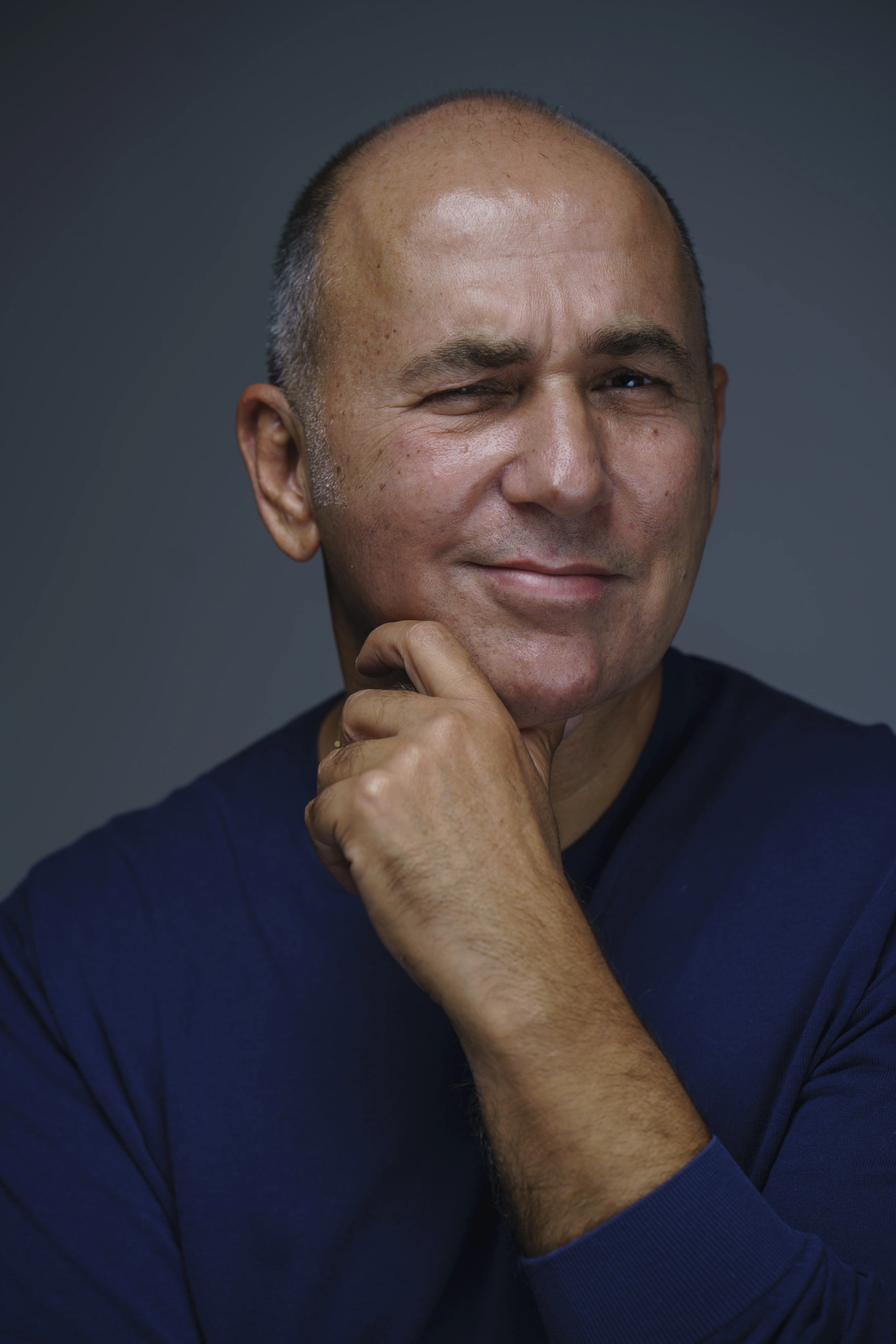
Image from Wikipedia
Image from Wikipedia
Ferzan Özpetek – Cinema, Opera, and Narrative Elegance between Istanbul and Rome
Ferzan Özpetek: A Director Who has Shaped European Cinema with Emotion, Style, and Cultural Depth
Ferzan Özpetek is one of those auteur personalities whose work immediately bears a distinctive signature: intimate, sensual, poetic, and precisely constructed. Born on February 3, 1959, in Istanbul and based in Rome for decades, he evolved from a theater and film craftsman into an internationally acclaimed director, screenwriter, and opera director. His career combines Turkish heritage, Italian film culture, and a consistently emotional narrative style that continues to characterize his films and stage works. ([de.wikipedia.org](https://de.wikipedia.org/wiki/Ferzan_%C3%96zpetek))
Biographical Roots Between Two Cultures
Özpetek's artistic identity is inextricably linked to his biography. He moved to Rome in 1978, studied film history, art history, costume design, and directing, and initially worked in theater as well as being an assistant director for television and film productions. These years shaped his understanding of image composition, dramatic rhythm, and the significance of sets, bodies, and spaces in storytelling. Even at this early stage, an aesthetic emerged that would later become his trademark: meticulously arranged scenes, emotional closeness, and a fine sensitivity to societal fractures. ([de.wikipedia.org](https://de.wikipedia.org/wiki/Ferzan_%C3%96zpetek))
His artistic path is not linear, but rather navigates productive transitions between film, theater, literature, and opera. The unique tension of his oeuvre lies precisely in this: Özpetek thinks not only in genres but also in atmospheres. Whether on screen, on stage, or in his novels – it is always about systems of relationships, identity, memory, and the fragile balance between longing and reality. This thematic consistency gives his work a rare cohesiveness. ([ferzanozpetek.com](https://www.ferzanozpetek.com/bio.html))
The Breakthrough with “Hamam” and the Establishment of Auteur Cinema
In 1997, Özpetek achieved his breakthrough with his first feature film Hamam – The Turkish Bath, which garnered international attention and was successfully screened in several countries. The film marked not only the beginning of his directing career but also the start of a cinema of transitions: between tradition and modernity, heritage and self-conception, desire and social norm. Already here, we see the blend of melodrama, observation, and sensual imagery that would characterize his later works. ([de.wikipedia.org](https://de.wikipedia.org/wiki/Ferzan_%C3%96zpetek))
In the following years, Özpetek established himself as one of the most prominent representatives of contemporary Italian cinema. With titles such as The Ignorant Fairies, Facing Windows, Saturno contro, Men al dente, Magnifica presenza, The Goddess of Fortune, and Diamanti, he created a body of work that resonated with audiences while also receiving critical acclaim. Several films won awards such as David di Donatello, Nastro d’Argento, Ciak, and Globo d’Oro; for example, Facing Windows received the David di Donatello for Best Italian Film. ([de.wikipedia.org](https://de.wikipedia.org/wiki/Ferzan_%C3%96zpetek))
Style, Narrative Technique, and Musical Sensibility
Although Özpetek is not a musician in the strict sense, his cinema possesses a pronounced musical logic. His productions work with tension arcs, motif repetitions, and an almost compositional treatment of ensemble scenes. Conversations, glances, dining tables, homes, and family spaces become rhythmic units in which emotions unfold like a score. His opera works, in particular, demonstrate how precisely he handles form, timing, and stage dynamics. ([ferzanozpetek.com](https://www.ferzanozpetek.com/bio.html))
The official biography highlights that in 2011 he directed his first opera Aida, followed by La Traviata and Madama Butterfly. These works make it clear that Özpetek possesses a profound understanding of dramatic compression, vocal dramaturgy, and visual elegance beyond cinema. His stage work is in line with his filmmaking: grand emotions, disciplined form, and a keen sense of the cultural context. ([ferzanozpetek.com](https://www.ferzanozpetek.com/bio.html))
Literature, Theater, and the Expansion of the Artistic Cosmos
Özpetek's work does not end at the screen. With novels such as Rosso Istanbul, Sei la mia vita, Come un respiro, and Cuore nascosto, he opened another narrative space where memories, family stories, and inner conflicts become even more immediate. Rosso Istanbul later became a film adaptation itself, highlighting the mutual permeability of his artistic formats. His writing follows the same emotional economy as his directing: precise, atmospheric, and aimed at human authenticity. ([ferzanozpetek.com](https://www.ferzanozpetek.com/bio.html))
He has also left a significant mark on the theater stage. With the monologue Ferzaneide, he presented an autobiographical play in 2021 that can be read as a personal reflection and artistic self-examination. The response was extraordinarily positive, with many performances sold out. This audience connection can be explained by his rare ability to transform private feelings into collective experiences. ([ferzanozpetek.com](https://www.ferzanozpetek.com/bio.html))
Recent Projects and Latest Releases
Özpetek's more recent works include Nuovo Olimpo from 2023 and Diamanti from 2024, which, according to the official biography, has been received positively on an international scale and has received numerous awards. In January 2026, he returned with the short film Tutti gli Dèi, a new work in video and museum art commissioned by the Museo Poldi Pezzoli in Milan as part of an exhibition. This again demonstrates how open his work remains to forms beyond traditional filmmaking. ([ferzanozpetek.com](https://www.ferzanozpetek.com/bio.html))
The past few years have solidified Özpetek's position as a productive and authoritative narrator in Italian culture. Diamanti earned him further recognition in 2025, including the David dello Spettatore and the Nastro dell’anno for 2025, as reported in his official biography. Such successes show that his name is associated not only with artistic continuity but also with sustainable audience impact. ([ferzanozpetek.com](https://www.ferzanozpetek.com/bio.html))
Critical Reception, Awards, and Cultural Influence
The reception of Özpetek's work is closely tied to his unique position between cultures. Treccani describes him as one of the most important representatives of contemporary Italian cinema, whose films often focus on same-sex couples and complex relational entanglements. This thematic consistency gives his work societal relevance while also making it emotionally accessible. His films narrate themes of belonging, loss, desire, and familial tensions without ever tipping into purely didactic patterns. ([de.wikipedia.org](https://de.wikipedia.org/wiki/Ferzan_%C3%96zpetek))
In addition, there are institutional honors, including the Order of the Star of Italy, the Order of Merit of the Italian Republic, as well as honorary doctorates and honorary citizenships. Such accolades not only signify recognition but also attest to the cultural rank of an artist who seamlessly connects Italian film history, opera, and literature with a distinctive voice. Özpetek is thus more than just a director: he is a storyteller of European identity in the best sense. ([ferzanozpetek.com](https://www.ferzanozpetek.com/bio.html))
Conclusion: Why Ferzan Özpetek Continues to Fascinate
Ferzan Özpetek fascinates because he combines great emotions with formal discipline and never sees cultural transitions as contradictions but as a creative force. His work thrives on atmosphere, human closeness, and a rare stylistic confidence that intertwines film, opera, literature, and theater. Experiencing his cinema means encountering stories full of warmth, melancholy, and social truth – this is where his enduring allure lies. A look at his films, stage works, and books is always worthwhile; live, in cinema, or in theater, this signature unfolds its full effect. ([ferzanozpetek.com](https://www.ferzanozpetek.com/bio.html))
Official Channels of Ferzan Özpetek:
- Instagram: No official profile found
- Facebook: No official profile found
- YouTube: No official profile found
- Spotify: No official profile found
- TikTok: No official profile found
Sources:
- Ferzan Ozpetek – Official Website
- Ferzan Ozpetek – Bio
- Wikipedia – Ferzan Özpetek
- Treccani – Özpetek, Ferzan
- Wikipedia: Image and text source
Upcoming Events
Diamanti
An moving cinema evening full of fabrics, fates, and solidarity at filmforum Duisburg. Diamanti enchants with female power, costume art, and feeling. #Cinema
Diamanti
A touching cinematic experience at filmforum Duisburg: Diamanti tells of women, fabrics, and quiet strength. On 06.09.2026 for €9.90. #Cinema
Diamanti
An evening for film art lovers: Diamanti brings female figures, costume splendor, and deep emotion to the screen at filmforum Duisburg. 07.09.2026, €9.90. #Cinema