
Gerd Dudenhöffer
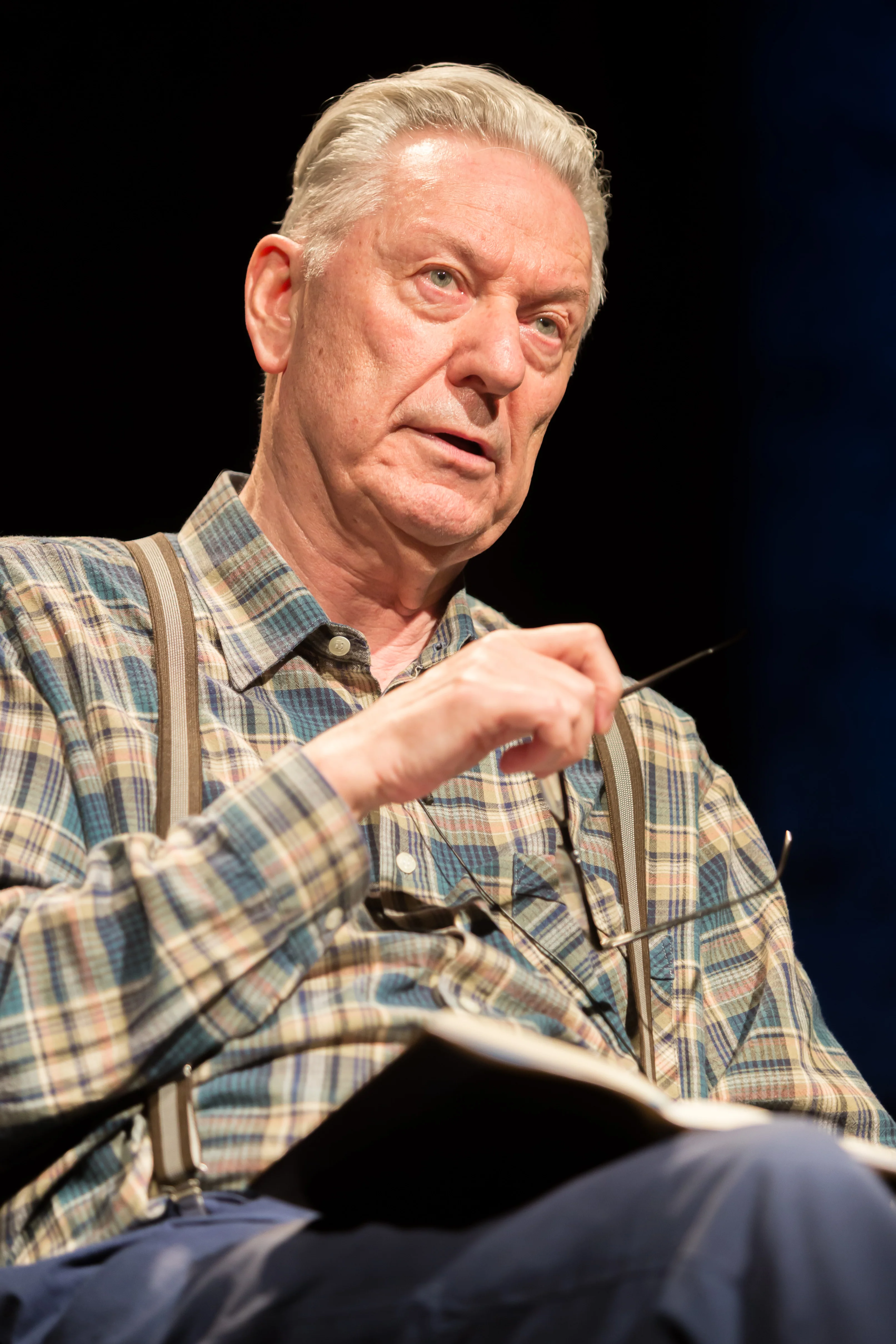
Image from Wikipedia
Image from Wikipedia
Gerd Dudenhöffer – the Master of Saarland Cabaret and the Artistic Figure Heinz Becker
A German cabaret artist who has turned everyday observations into culture
Gerd Dudenhöffer, born on October 13, 1949, in Bexbach, Saarland, is one of the defining figures of German cabaret. He became widely known across the country mainly through his stage and television character Heinz Becker, with whom he transformed the narrow-minded, articulate, and simultaneously shockingly realistic everyday type into a cult figure. His career brings together graphic design, theater, satire, television, and literature into a distinctive artistic oeuvre. ([de.wikipedia.org](https://de.wikipedia.org/wiki/Gerd_Dudenh%C3%B6ffer?utm_source=openai))
Biography and artistic origins
The journey to the stage did not begin directly in show business, but rather through a solid creative education. Dudenhöffer studied at the Teaching Institute for Creative Advertising Graphics in Munich from 1966 to 1969 and then worked for eleven years in that profession before turning to cabaret in 1980. This background in visual design still shapes his stage persona today: precisely set gestures, minimalistic acting, clear contours, and a keen perception of social environments. ([handwerker-promotion.de](https://www.handwerker-promotion.de/archiv/gerd-dudenhoeffer))
His cabaret is based on observational skills and social distillation. Early descriptions note that he does not merely caricature petty-bourgeois everyday types but sharpens them in a way that reveals societal sentiments. The humor arises from speech rhythms, dialect, timing, and a stage character that reads like a reflection of the audience. This is precisely where Dudenhöffer's artistic development shines: he exposes without a pedagogical finger of admonition. ([munzinger.de](https://www.munzinger.de/register/portrait/biographien/Gerd%20Dudenh%C3%B6ffer/00/21812?utm_source=openai))
The breakthrough with Heinz Becker
In 1985, the decisive step was taken: the first solo appearance in the role of Heinz Becker made Dudenhöffer known throughout Germany. The stage character quickly evolved into an independent cultural figure, captivating the audience with a dry tone, Saarland dialect, and a mix of naivety and cunning. What began as a cabaret number became a lasting artistic persona with almost mythical recognition value. ([de.wikipedia.org](https://de.wikipedia.org/wiki/Gerd_Dudenh%C3%B6ffer?utm_source=openai))
The character Heinz Becker represents the ordinary citizen with all their prejudices, self-assuredness, and embarrassing rhetorical evasions. Dudenhöffer refers to his works around this alter ego as solo pieces that exist between theater and cabaret. This hybrid form is what makes his performances so distinctive: they are not just routine acts but dramaturgically constructed character studies with comedic pressure and a bitter undertone. ([handwerker-promotion.de](https://www.handwerker-promotion.de/archiv/gerd-dudenhoeffer))
Television, reach, and the popularization of the character
From 1984, Dudenhöffer was present as a co-host on Jürgen von der Lippe's television show “So isses,” making him visible ahead of considerable success on TV. The nationwide breakthrough was secured by the TV series “Familie Heinz Becker,” which ran from 1992 to 2004 for 42 episodes and showcased Dudenhöffer as both author and lead actor. The series made his artistic figure accessible to millions and firmly anchored it in the collective memory. ([munzinger.de](https://www.munzinger.de/register/portrait/biographien/Gerd%20Dudenh%C3%B6ffer/00/21812?utm_source=openai))
The character also remained prevalent in cinema and other formats. With “Tach Herr Dokter,” Heinz Becker received his own film, while numerous stage programs and publications expanded the universe of this character. Dudenhöffer's work thus demonstrates a rare continuity: the same character carries theater, television, books, and film while remaining recognizable in every medium. ([en.wikipedia.org](https://en.wikipedia.org/wiki/Gerd_Dudenh%C3%B6ffer?utm_source=openai))
Stage programs as a chronicle of a long career
Since 1985, Dudenhöffer has been performing with his own stage programs; the management website lists 19 stage programs and one play to date. Notable milestones include “Ich brauch kenn Fernseh,” “Basta!,” “Die Welt rückt näher,” “Vita. Chronik eines Stillstandes,” “DEJA VU,” “DOD,” and “DEJA VU 2.” These titles read like a chronicle of German sentiments, showcasing how closely Dudenhöffer ties comedic intensification to social diagnosis. ([handwerker-promotion.de](https://www.handwerker-promotion.de/archiv/gerd-dudenhoeffer))
Particularly interesting is the longevity of his act: the same character is not merely repeated but re-grounded over decades, linguistically refined, and embedded in current themes. The programs respond to everyday life, politics, media, and the continuation of regional mentalities. In doing so, Dudenhöffer's cabaret acts like an ongoing study of language, attitudes, and social roles. ([handwerker-promotion.de](https://www.handwerker-promotion.de/archiv/gerd-dudenhoeffer))
Writing, books, and literary footprints
Alongside stage and television, Dudenhöffer also developed a literary side. His publications include “Die Heinz Becker Story,” “...alles geschwätzt! Heinz Becker erzählt,” “Opuscula,” “Opuscula Nova,” “Tach Herr Dokter,” and “Die Reise nach Talibu.” These books add a literary dimension to his work, further developing wit, dialect, and satirical intensification. ([en.wikipedia.org](https://en.wikipedia.org/wiki/Gerd_Dudenh%C3%B6ffer?utm_source=openai))
Particularly “Die Reise nach Talibu” showcases him as a storyteller with a fine sense for detail and hidden humor. On the official site, he is described as a rhymed satirist and word artist who works between laughter and emotional depth. This underscores that Dudenhöffer is not just a stage comedian, but also an author with his own tone. ([handwerker-promotion.de](https://www.handwerker-promotion.de/archiv/gerd-dudenhoeffer))
Style, language, and stage presence
Dudenhöffer's style thrives on precise timing, minimalistic facial expressions, and gestures that shape comedic effects from the smallest impulse. His stage persona appears in a Batschkapp, properly conservative petty-bourgeois outfit, and speaks a language that bundles dialect, everyday logic, and self-conviction. This combination of external inconspicuousness and a sharp inner core is what makes his stage presence so powerful. ([handwerker-promotion.de](https://www.handwerker-promotion.de/archiv/gerd-dudenhoeffer))
Aesthetically musical in a broader sense, it is interesting how rhythmically Dudenhöffer treats language. Pauses, repetitions, delays, and punchlines come together like a linguistic arrangement. His cabaret follows a compositional logic in which the rhythm of speech carries the humor, and the dialect serves not as folklore but as character analysis. ([handwerker-promotion.de](https://www.handwerker-promotion.de/archiv/gerd-dudenhoeffer))
Cultural influence, awards, and recognition
The public acknowledgment of Dudenhöffer's work is extensive. Awards such as the Telestar in 1994, the Saarland Order of Merit in 1996, the Golden Europa in 1997, the German Comedy Award in 2004, the Friedestrom Prize in 2006, and the Honorary Award of the state of Rhineland-Palatinate for the German Small Arts Prize in 2015 mark an exceptionally stable career. In 2023, he was also appointed Honorary Artist of the König Albert Theater in Bad Elster. ([handwerker-promotion.de](https://www.handwerker-promotion.de/archiv/gerd-dudenhoeffer))
His influence extends far beyond mere entertainment. The character Heinz Becker has not only become a cult figure but also a cultural commentary on provincialism, language, social role patterns, and everyday life in Germany. The character's longevity over decades demonstrates the durability of the concept: Dudenhöffer does not work with short-term gags, but rather with a precise sociology of humor. ([handwerker-promotion.de](https://www.handwerker-promotion.de/archiv/gerd-dudenhoeffer))
Current projects and recent stage work
Even at an advanced stage in his career, Dudenhöffer remains active. The management site lists the program “Mo so Mo so - Gerd Dudenhöffer spielt beide” for 2024 and a revised edition of “DOD” starting in 2025. In October 2024, he mentioned, according to a Wikipedia reference, that it might end afterward unless a new idea for another stage program excites him. This reflects an artist who consciously thinks about his work while simultaneously reflecting on the finiteness of a long stage career. ([handwerker-promotion.de](https://www.handwerker-promotion.de/archiv/gerd-dudenhoeffer))
For 2026, the official management site still lists dates for “DOD - Gerd Dudenhöffer spielt Heinz Becker,” including stops in Hamburg, Fulda, Koblenz, Dresden, and Leipzig. These ongoing performance dates demonstrate that the stage character continues to have strong demand and that Dudenhöffer remains present in the current performance circuit. ([handwerker-promotion.de](https://www.handwerker-promotion.de/archiv/gerd-dudenhoeffer))
Discography, publications, and media presence
In a strictly musical sense, Dudenhöffer's work may not be a classic pop or music project, but there are audio and video releases related to his stage programs, readings, and the TV series. The official site lists DVDs, season boxes, and a series of program releases, including “Familie Heinz Becker – Die komplette Staffel” as well as stage programs such as “Basta,” “NULL UND RICHTIG,” and “Wiederspruch” on DVD. The discography, in a broader sense, serves to document a stage work that functions primarily through spoken language and character play. ([handwerker-promotion.de](https://www.handwerker-promotion.de/archiv/gerd-dudenhoeffer))
The media presence extends to current program descriptions and channel announcements. The Saarland Broadcasting Corporation referred in 2025 to the origin story of Heinz Becker and the enduring success of the character, highlighting how deeply intertwined Dudenhöffer remains with the cultural identity of Saarland. ([sr.de](https://www.sr.de/sr/home/der_sr/so_wurden_wir_was_wir_sind/geschichte/fundstucke/20250305_fundstueck_maerz_2025_heinz_becker_100.html?utm_source=openai))
Conclusion: Why Gerd Dudenhöffer remains fascinating today
Gerd Dudenhöffer is fascinating because he has created an entire cultural system from a clearly defined stage character. Heinz Becker functions as a comedic figure, as a social diagnosis, and as a linguistic monument all at once. Those who experience Dudenhöffer live witness not a mere repetition of a successful recipe, but the finely tuned work of an artist who synthesizes timing, dialect, facial expressions, and societal observations into something unique. ([handwerker-promotion.de](https://www.handwerker-promotion.de/archiv/gerd-dudenhoeffer))
His career tells a story of perseverance, keen observation, and the courage to assert a character over decades against the fleeting zeitgeist. This is precisely where the greatness of this cabaret artist, actor, director, and author lies. Anyone seeking German stage art with literary wit and sharp everyday criticism should definitely experience Gerd Dudenhöffer live. ([handwerker-promotion.de](https://www.handwerker-promotion.de/archiv/gerd-dudenhoeffer))
Official channels of Gerd Dudenhöffer:
- Instagram: https://www.instagram.com/gerddudenhoeffer_official/?next=%2F
- Facebook: https://www.facebook.com/dudenhoeffergerd/
- YouTube: https://www.youtube.com/channel/UCyhbGXmYQSSaQJ5AekIx6IA
- Spotify: no official profile found
- TikTok: no official profile found
Sources:
- Wikipedia: Gerd Dudenhöffer – Image and text source
- handwerker promotion e. gmbh – Gerd Dudenhöffer
- Saarländischer Rundfunk – The Heinz Becker Story
- Munzinger Biography – Gerd Dudenhöffer
- Cabaret Artists in Germany – Gerd Dudenhöffer
- YouTube – HEINZ BECKER PRODAKTSCHEN
- Facebook – Official Channel
- Instagram – Official Channel